Wellness at La Salle

Health and Wellness, Uncategorized

Kori Deibert, Faculty

Each week, Student Wellness Services at La Salle hosts Wellness Wednesday, a weekly tabling program centered around the 8 points of wellness. These 8 dimensions of wellness contribute to our holistic wellbeing, which is key for students to succeed as a student and a person. Some of the previous Wellness Wednesdays held this semester included “Build Your Own Thriving Kit,” “Plant De-Stress,” and “Build a Bestie.” Build Your Own Thriving Kit focused on our physical, emotional, and spiritual wellness. Students built and decorated a thriving kit for when things got tough throughout the semester. Plant De-Stress was all about environmental wellness and the importance of keeping our physical space clean and organized, as well as the benefits of adding plants to our physical space. Students who attended were able to plant and take home their own succulent plant. Build a Bestie was all about social wellness and attendees constructed a bestie based on the qualities that they found important in that  relationship. These weekly programs offer students a chance to pause and reflect on their personal wellness, take a break from the day’s workload, and connect with their PEERS. Wellness Wednesday happens every Wednesday from 1:00 p.m. – 2:00 p.m. either on the Union Patio or Union Lobby, weather dependent.

PEERS are Peer Health Educators who promote health and wellbeing in our campus community by hosting fun workshops and events, such as Wellness Wednesdays, design engaging health resources, and craft social media content. For students who have a passion for health and wellness and are looking for a way to make an impact on the La Salle community, email deibert@lasalle.edu to learn how to become a PEER Health Educator.

La Salle’s rising population and ranks 

News, Uncategorized

Kylie McGovern, Editor 

via @lasalleuniv on Instagram

On Sept. 11, La Salle University announced that enrollment increased by 13% over the last year. 996 new explorers joined our campus community. 92 of these students have parents or grandparents who have previously attended La Salle, but on the other hand 2/5ths incoming students are first-generation college students. Furthermore, more than 50% of students are people of color. La Salle keeps up with its traditions being one of the most diverse universities in Philadelphia with these statistics. 

This increase is the first since 2018. According to CNBC, the pandemic has made college enrollment decline, so this increase in enrollment here at 20th and Olney is going against current trends. In addition to being a larger class, this year’s incoming class has better academic stats than years previous because they have a higher median GPA and honors program enrollment increased by 25%. Furthermore, the nursing program increased the enrollment of first-year students by 40% and the 4-year B.S./MBA program in Accounting doubled the size of its first-year enrollment.

According to U.S. News, there is a valid reason La Salle’s enrollment is increasing as they rank La Salle University in the top half of national universities overall. La Salle is ranked No. 202 among institutions that are identified as national institutions, which are the top-half of all institutions ranked. In addition, U.S. News also ranked No. 1 among Lasallian national institutions in the U.S. In addition, U.S. News ranked La Salle as the third-most diverse national university in Pennsylvania. 

In addition, La Salle’s esteemed speech-language pathology program presented a 100% pass rate on the Praxis test, which is the national certification exam for speech-language pathologists. This passage rate is just a testament to the success of students once they are at La Salle. 

Editor’s Note: As I was writing this article, I became very proud of La Salle. As a journalist, I have to be skeptical and look at things from an unbiased lens. But, as I read these statistics and write this article I felt true pride and honor to be an explorer. This is an institution that wants wants what is best for its students and I know that La Salle, like many other institutions has had their struggles, but higher enrollment and high passage rates can only bring good things for La Salle and I am excited to hear this news about increasing enrollment and high passage rate on the Praxis. 

La Salle’s troubling lack of counseling services for fifth-year students

Uncategorized

Elizabeth McLaughlin, Editor

La Salle boasts multiple 5-year programs. But they don’t offer free counseling services to students in their fifth year. Why?

Many students in their fifth, and final, year of their program — whether that be Communication Sciences and Disorders, Secondary Education or Social Work, to name a few — also attend La Salle for their undergrad. In other words, these students are used to utilizing services such as the counseling and health centers as means to cope with their ever-stressful lives in both academia and the workforce. Some of them build profound and valuable relationships with their counselors, meeting with them on a weekly basis.

These students continue paying tuition, obviously, and they also continue paying the university fee and student activities fee — but once they officially enter their fifth year, they can’t see their counselor anymore. Now, if their counselor has a private practice, they have to pay out-of-pocket to continue maintaining their mental health. If their counselor doesn’t have a private practice, students are met with a dead end. 

According to Thervo, an average therapy session in Philadelphia costs between $60-$120 per session. Say a student meets weekly with their counselor throughout the school year; based on two 16 week-long semesters, that rounds out to $1,920 to $3,840 spent out of pocket on therapy per year. For many of my out-of-state friends, their insurance won’t cover a dime of therapy costs. I don’t know a single college student who could manage that extra cost on top of everything we already pay to this university. 

So why doesn’t La Salle offer the same counseling and wellness services to its fifth year students that it does to its undergraduates? In September of 2018, La Salle received “a three-year Garret Lee Smith Suicide Prevention Grant from the Substance Abuse and Mental Health Systems Administration, worth over $300,000.” Those three years have passed, and I’m unclear on exactly how La Salle utilized this grant. I have researched and read the plans published by La Salle and the grant manager from 2017 and 2018, but I have yet to find any updates on the program since then.

All of that information on the grant is only supplementary to my point: that La Salle provides no public reason as to why fifth year students cannot access student counseling or wellness services. Instead, they tell students who utilize these services throughout their undergrad, “Good luck! We won’t be helping you anymore.” Or, at least, that’s the impression that one of the students entering her fifth year of the Communication Sciences and Disorders program is under. “I still pay all my fees; I’m actually paying more now than I ever have for school. I pay $1,050 per credit and for some reason, I can’t keep seeing my counselor. It’s beyond frustrating.”

And she’s right, it is beyond frustrating because it’s a liability. Is it really in La Salle’s best interest to not offer free counseling and wellness services to its overworked and underpaid (if at all) graduate students? Another student entering her final year of the five year Communication Sciences and Disorders program showed me her current balance. $9,450 in tuition for 9 credits, plus a $285 “general university fee.” What is that “general” fee going toward, if not a service to help manage depression, anxiety and all the stress that comes with being in an accelerated program?

On Sunday, May 1, I worked my last ever event as a tour guide. Before the admitted students arrived to submit their deposit and commit to La Salle University, my fellow ACEs and I went around the quad, putting up signs with various fun facts about our school. One of the signs reads, “La Salle offers multiple five-year programs.” But what we don’t tell incoming students is that we can’t offer them free counseling services during that rigorous fifth year for their mental wellbeing. We don’t tell them that they’ll reach their final year, feeling more overworked and exhausted than they’ve likely ever felt in their entire life, and that they’ll have to work that out on their own.

Why not?

La Salle TV reminiscing: My favorite moments on LTV

Uncategorized

Jeriann Tripodi, Editor

As a graduating senior reflecting back on some of my most memorable experiences at La Salle University, I can certainly say that being on La Salle TV played a significant role in shaping my happiest college memories. I’d like to share some of those memories with you here to show how much fun you can have on La Salle TV. 

On a 2019 La Salle TV special, “Explorers Got Talent,” I had the opportunity to be a contestant and perform one of my favorite songs of all time. This classic 1960s hit song is titled “Where the Boys Are” by Connie Francis. This was a great memory because I had the chance to entertain the audience and make them smile. I hope you enjoy the following video clip: 

For several years, I have been a host, producer and writer for “Backstage Pass,” which is a televised program that focuses on celebrity and entertainment news and content. Each episode, I reported celebrity news, reviewed albums and movies and engaged in fun ad-libs with my co-host. I also created a new segment, “Entertainment Trivia.” “Backstage Pass” was a great memory due to my passion for the world of entertainment, in addition to the fun I had while on camera. Below, you will find a video clip that highlights my most memorable moments on “Backstage Pass.” 

Thank you for reading this article. If you would like to watch the full “Explorers Got Talent” episode, you can click here. Also, be sure to watch La Salle TV’s “Backstage Pass.” Check out the student-produced show on its YouTube channel, LaSalleTV Philly.

Stocks dip as Fed points to a March hike

Uncategorized

Jason Ryan, Staff

Facing both chaotic financial markets and raging inflation, the Federal Reserve indicated it could soon raise interest rates for the first time in more than three years as part of a broader tightening of historically easy monetary policy.

In a move that came as little surprise, the Fed’s policymaking group said a .25 percentage point increase to its benchmark short-term borrowing rate is likely coming. It would be the first increase since December 2018.

Chairman Jerome Powell added that the Fed could move towards a more aggressive path, stating, “I think there’s quite a bit of room to raise interest rates without threatening the labor market… sooner…and perhaps faster.” These comments were made at his post-meeting news conference. 

Source: Globe Echo

This was not the message investors were hoping for. That being said, the major stock market averages turned quite negative shortly following Powell’s statement. Investors have ineffectively been trying to guess what is going on with the Fed for weeks. Still, Powell said the Fed and investors were on the same page.

The Dow turned negative, falling 70 points. The index had been up as many as 500 points earlier Wednesday. The S&P 500 and Nasdaq gave up some of their gains as well. The S&P 500 was up just .01 percent and the Nasdaq rose 0.6 percent. In addition, bond yields rose following the Fed’s statement. The yield on the 10-year Treasury rose to 1.8 percent from 1.78 percent from late Tuesday. 

Pressure from inflation on businesses and consumers is what is driving the Fed to raise interest rates this year. There is some concern on Wall Street that the central bank will raise interest rates this year more than the four times that which most economists currently expect.

Since the COVID-19 pandemic erupted in 2020, investors have poured money into stocks, confident that the central bank would help keep share prices upright. With that support going away, markets have been hit with a spell of volatility. The S&P 500 is down 7.3 percent so far this year, while the Dow is off 6 percent. The Nasdaq Composite has also fallen 11 percent. The Federal Reserve’s announcement for its soon hike in interest rates has been attributed to an unstable market seen last week. With this news, it is interesting to see what is to happen in the coming weeks.

Couples costumes do’s and don’ts

Satire, Uncategorized

Claire Kunzier, Editor 

As someone who has watched twenty years worth of Halloween single and not involved in a couples costume, I have the right to comment on this. Now if anyone wants to stop me from making it to twenty-one years, hmu. Anyway, there are definitely really cute costumes couples can do, but many choose to do the same ones that just aren’t it. So here are some costumes to give up on and some to upgrade to. 

Don’t:

Joker and Harley Quinn

We get it, you’re quirky and not like the regular couples, you’re “crazy”. STFU. The Joker in itself is overdone with Jared Leto wannabes getting your party city face paint and the cheap green hairspray.  IF YOU’RE NOT GONNA GO ALL OUT DON’T DO IT. This is the type of costume that is still really hot and cool when it’s done well, but if you don’t want to actually try then don’t do it. 

Do:

Robin and Starfire 

Now you can literally do so many superhero and or villain pairing couple costumes. A personal favorite is Robin and Starfire because it’s one, hot, two, not basic and three will get you compliments. At this point any other pairing would be great. 

Don’t:

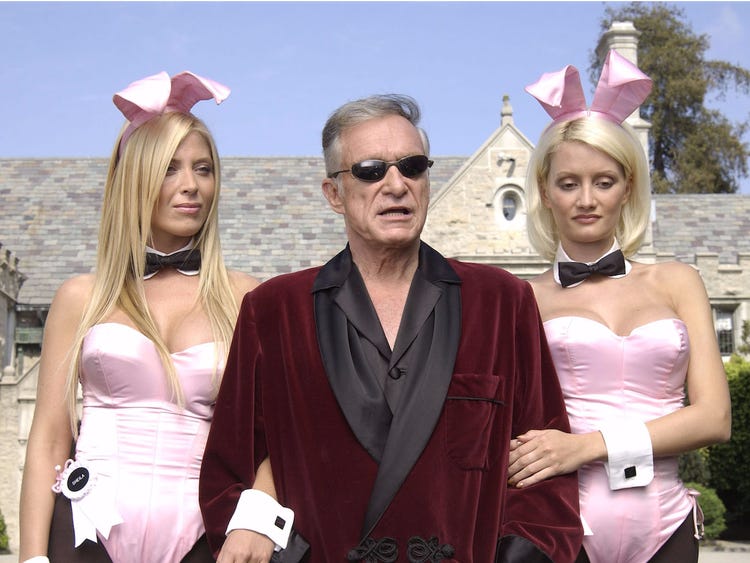
Hugh Hefner Playboy bunny 

The iconic playboy bunny look is a solid go to for girls when they want to look hot, but girlies, your 150 lb wet bf does not match your energy. Also, Hugh was not a good guy and got with lots of his bunnies, idk what the move is with this one. 

Do:

Hugh Hefner Playboy bunny gender-swapped 

Now catch this. Gender bend it, it becomes much better. Just trust me, it is hot and will make you look much better as a couple. 

Don’t:

Barbie and Ken 

The classic. The iconic. The overdone. I am so sorry, but unless you look like the spitting image of Barbie and Ken, I mean fit wise cause you need to go hard in order to match the energy, then don’t do it. Yeah no one is gonna roll their eyes at this one, but you can do so much better.

Do:

Shrek and Fiona 

Again, any iconic relationship will do, but I think this one is supreme. Shrek is a crowd pleaser movie, you will get the likes especially if you go hard, but even a lowkey costume is good. 10/10 even on its worst day. 

Yeah so there are definitely many more that could be added for good and bad, but Halloween costumes are forever so do better. 

El Salvador adopts bitcoin as national currency

Uncategorized
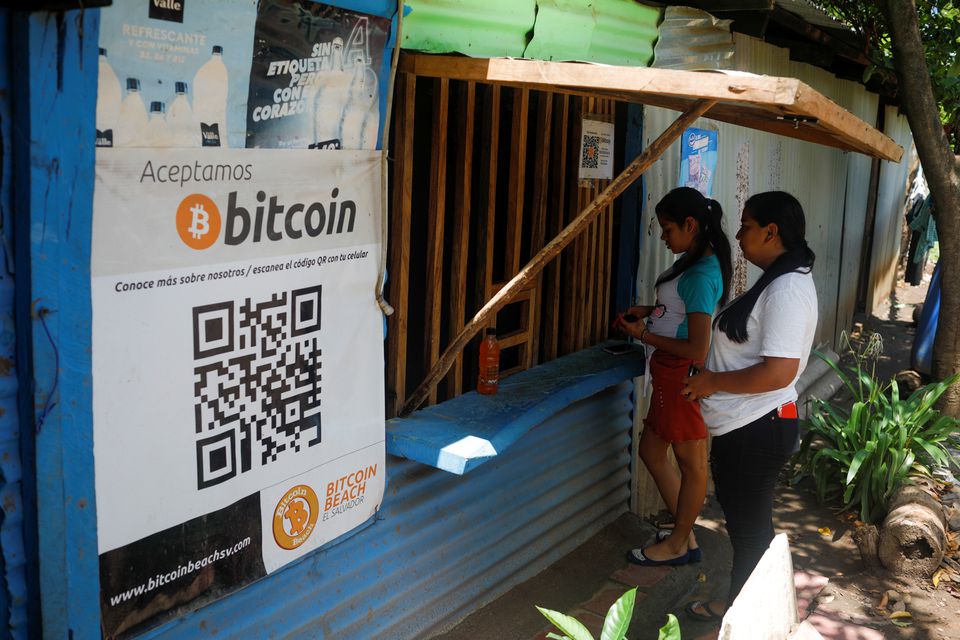
Women in Chiltiupan, El Salvador make a purchase at a store that accepts Bitcoin. Reuters via Jose Cabezas

As of September 7, Bitcoin is an official legal tender in the Central American country of El Salvador. President Nayib Bukele, 40, says that one of the main reasons for the new law is so residents can save money on remittances. Many Salvadorans send and receive money to and from family and friends abroad; transactions that can carry hefty fees. With bitcoin, a cryptocurrency, there are no transfer fees. According to Kenneth Suchoski, U.S. fintech and payments analyst at Autonomous Research, “For Western Union and some of the other remittance providers, keep in mind that most of the volume in the remittance industry is going from developed markets to emerging markets primarily to people — families and friends — that operate in cash.” El Salvador is one of these developing markets.

The GDP of El Salvador is significantly dependent upon these remittances, which make up nearly $6 billion or a fifth of their GDP, according to the World Bank. Globally, remittances total $500 billion each year. However, remittance providers like Western Union need not worry — at least for now. Suchoski says that these providers “…are still going to be relevant for years to come,” provided that Bitcoin does not gain widespread adoption and use. Currently, less than one percent of global cross-border remittances are in cryptocurrency, according to Autonomous Research.

MoneyGram, another remittance provider, has already made moves into the cryptocurrency markets. Earlier this year, MoneyGram announced that it would allow U.S. customers to buy and sell Bitcoin at 12,000 retail locations throughout the country. In a statement to Reuters, MoneyGram officials said that “We’ve built a bridge to connect bitcoin and other digital currencies to local fiat currency. As crypto and digital currencies rise in prominence, a core barrier to further growth is the on/off ramps to local fiat currencies.”

Western Union is apparently in agreement that there are multiple barriers to crypto growth. The company has dabbled in the use of cryptocurrencies, but has yet to come up with a sufficient “use case” to justify incorporating them into their business model.

Salvadorans have the option to receive payments in Bitcoin and may convert the funds to U.S. dollars. Economists predict that most Salvadorans will immediately convert Bitcoin to USD upon receipt. The Central Reserve Bank of El Salvador has been stocked with $150 million, a figure that some economists deem inadequate. If the price of cryptocurrency keeps rising, that means that El Salvador’s reserve of Bitcoin will pay off. However, there are a few concerns surrounding a national bank which is experiencing a “constant outflow of US dollars and constant inflow of bitcoin,” says economist Daniel Munevar to Yahoo! Finance. According to Munevar, a global debt specialist, Salvadoran president Bukele possesses a “disregard for public resources.”

El Salvador’s adoption of Bitcoin is likely to lead to an increase in volatility in the short term. This will likely make Salvadorans less inclined to hold onto the cryptocurrency. On the contrary, Edward Snowden tweeted on September 7 that El Salvador’s new law “massively incentivises early adoption and latecomers may regret hesitating.”

Moreover, Salvadoran financial markets were not in good shape to begin with; the country is in debt distress, leading the International Monetary Fund (IMF) to set indicative discal restructuring targets to grant a loan of $389 million. The IMF is traditionally very conservative, so if El Salvador is unable to repay its debts, it is highly unlikely that the IMF will want to help out with more loans.

What’s more, the laws and regulations regarding cryptocurrency are inchoate. Munevar states that the new law allows transactions that “skirt anti-money laundering regulations.” It is up to the Salvadoran government and president Bukele to manage this transition without relying on illegal activity, all while simultaneously encouraging the public to view Bitcoin as a legitimate currency.

La Salle lets it snow

Features, Uncategorized

Bianca Abbate, Editor-in-Chief

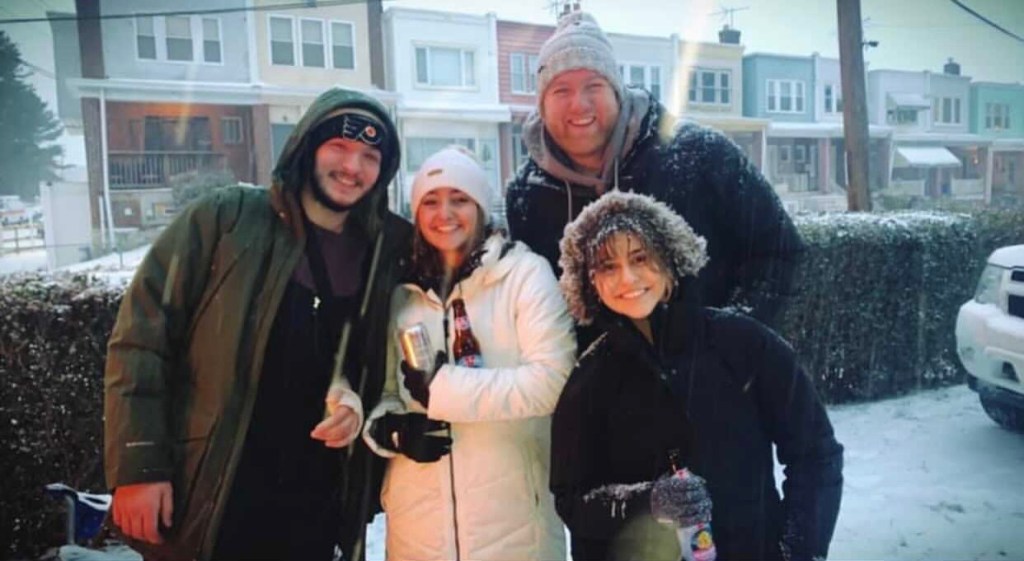
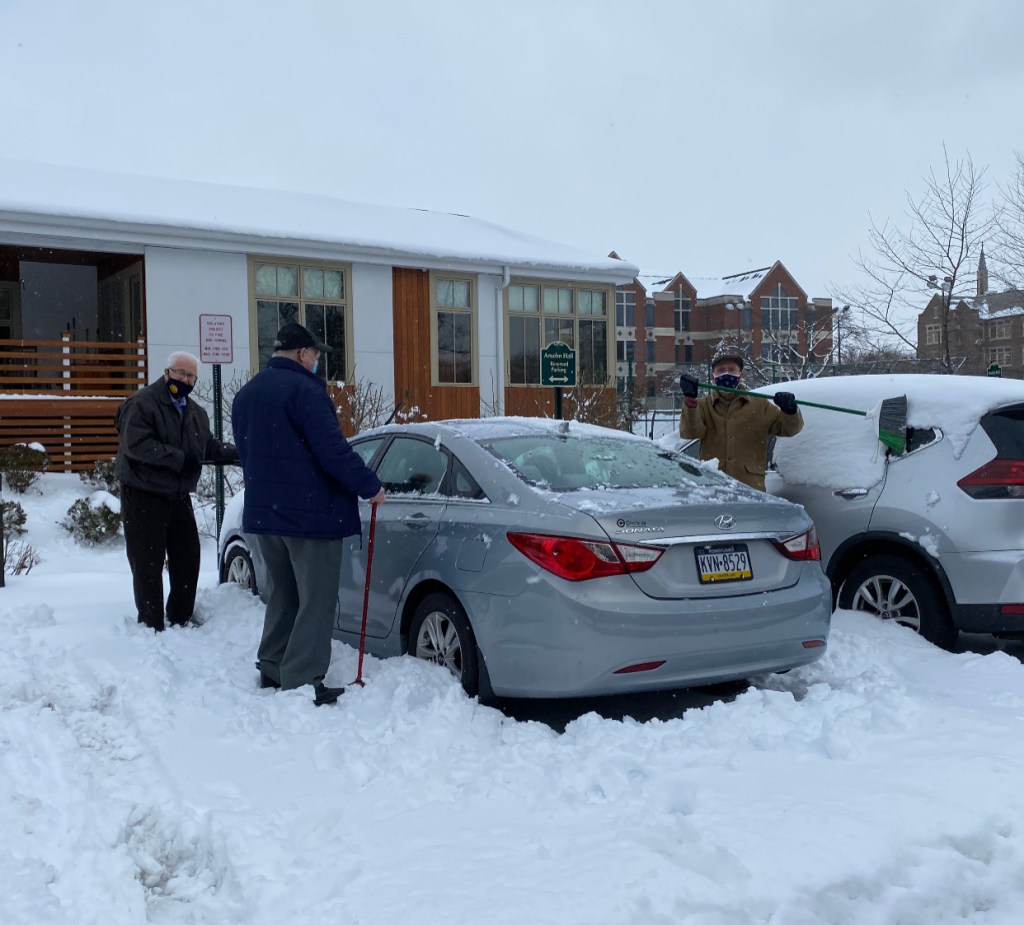
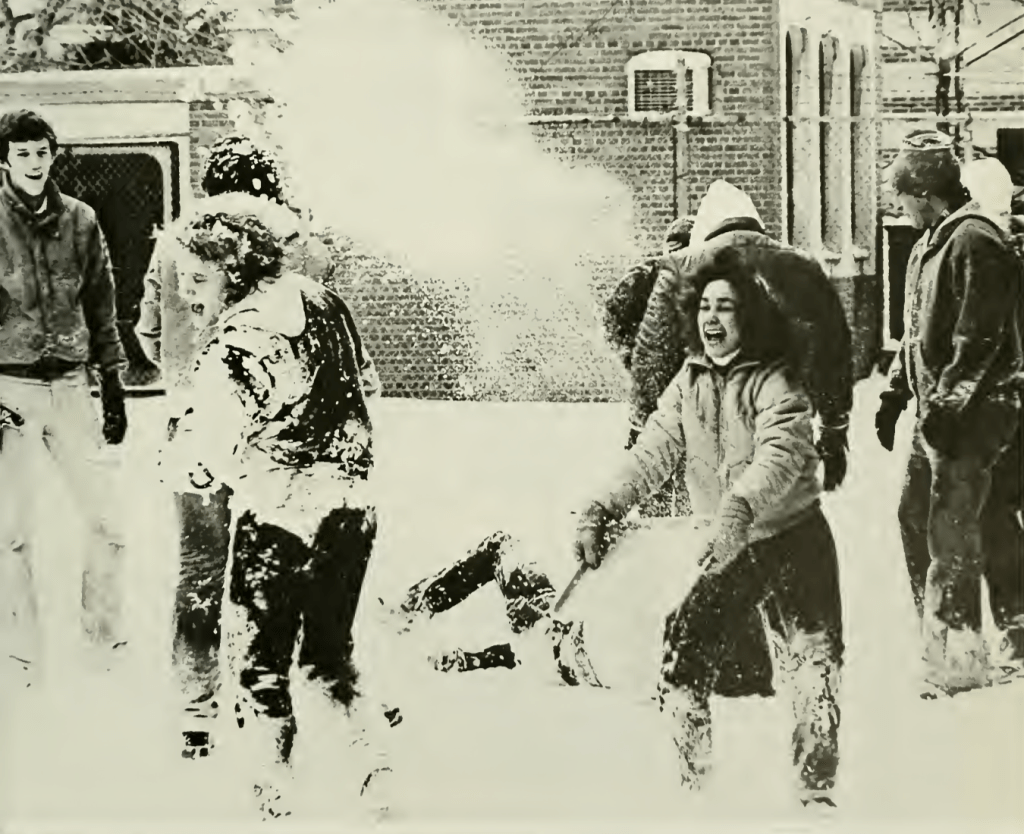
Class may still have been in session, but snowfall on campus for the past two days has brought a playful air to 20th and Olney. Alumni and students share their Lasallian snow days flicks of past and present with the Collegian:

abbateb2@lasalle.edu

New President, New Secretary of Defense and New Foreign Relationships

Politics, Uncategorized

Elizabeth Boyle, Staff

Politico
Biden’s Secretary of Defense is four-star general Austin J. Lloyd III.

After a year of quarantine, masks and working from home, people are looking for big changes in 2021. Government officials have been busy since the election in November 2020. One notable difference since the change in administrations, is the strengthening of the United States’ relationship with the North Atlantic Treaty Organization (NATO).

Former President Donald Trump pushed towards an isolationist approach when it came to international communications. A common theme President Trump mentioned, which can be particularly seen within his Republican National Convention speech in August 2020, where he voiced his disappointment in the size of NATO spending. President Trump believed that the United States’ partners in NATO were behind on their payments. President Trump and his administration wanted to distance the U.S. from NATO until its members were able to increase the amount of money put towards their national defense. With the Biden administration this could be changing.

President Joe Biden, inaugurated on Jan. 20, 2021, quickly went to work appointing a new Secretary of Defense. On Jan. 22, Lloyd J. Austin was sworn in as the 28th Secretary of Defense. Prior to his cabinet position, Austin attended West Point and served in the Army for 41 years before retiring as a four-star General.

Austin’s first call as Secretary of Defense was to NATO’s Secretary General, Jens Stoltenberg. Austin discussed wanting to keep the NATO alliance strong and the current missions in Afghanistan and Iraq. Austin wants to continue a strong defense position in NATO as a method to deter potential and known threats. Austin also told Stoltenberg that he wanted to re-strengthen the U.S.’s relationship with Europe. Stoltenberg congratulated Biden after his inauguration and told Austin that he feels positive about President Biden’s policy goals mentioned during his campaign.

This sequence of events could be indicative of a change in U.S. foreign relations over the next four years. Whereas the Trump administration focused on isolationism and taking a stern approach with foreign relations, one can assume President Biden is planning for a return to normalcy in American foreign policy. The call to Secretary General Stoltenberg, change in US Secretary of Defense and the policy plans President Biden has mentioned are showing a focus on increasing international communications for some upcoming potential changes. 

boylee2@lasalle.edu

La Salle alumnus, William J. Burns, nominated by President Biden to head CIA

News, Uncategorized

Bianca Abbate, Editor-in-Chief

Philly Voice
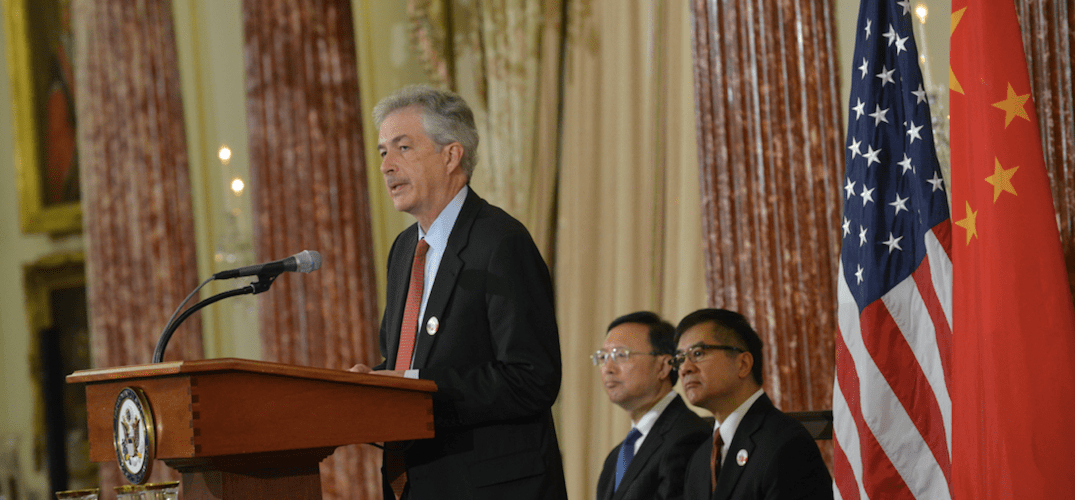
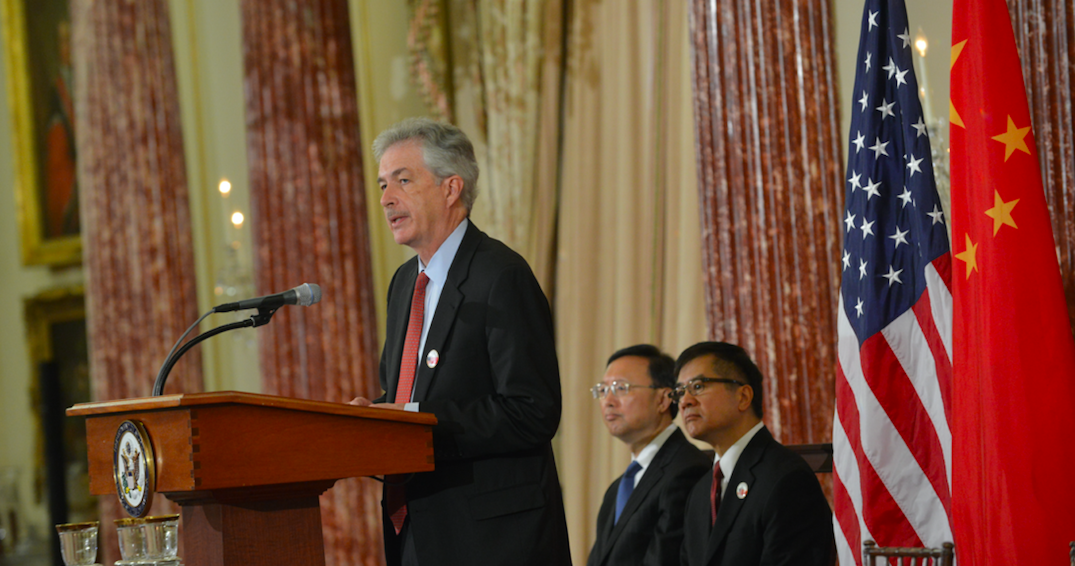
Burns is a well-known figure in the diplomatic world.

La Salle alumnus, William J. Burns ‘78, has been chosen by U.S. President Joe Biden to become the next director of the Central Intelligence Agency (CIA). In a video announcing Burns’ nomination, President Biden said of the career diplomat, “He knows how to lead — and lead with integrity.”

Ambassador Burns graduated from La Salle in 1978 with a degree in history. In his time at La Salle, Burns was an Honors Program student known by his professors as a dynamic and insightful presence in class. Through his classes, he developed an interest in the Middle East that would later aid his career. Burns continued his education as La Salle’s first Marshall Scholar at Oxford University where he pursued his M.Phil and D.Phil degrees in International Relations. In 1997, Burns received an honorary doctor of law degree from La Salle University. 


President Biden on Ambassador Burns: “He knows how to lead — and lead with integrity.”


In 2011, Burns emphasized to The Inquirer that his professors played a major role in his education: “I was lucky to have some really fine teachers there, Jack Rossi, George Stow…Studying history gives you a perspective. History doesn’t exactly repeat itself, but you can learn from the challenges that leaders have faced. There are a lot of lessons to be learned.”

                La Salle University Digital Commons

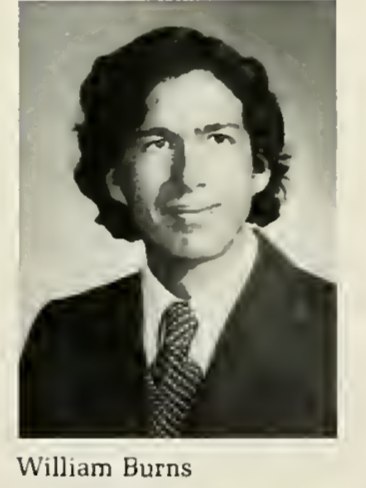
Burns is pictured above in the University yearbook.

Following his education, Burns embarked on a 33-year career in diplomacy. Speaking Arabic, Russian and French, Burns has served as ambassador to Russia and to Jordan and special assistant to Secretaries of State Warren Christopher and Madeleine Albright. In 2011, during the Obama administration, Burns was confirmed as deputy secretary of state directly under Hillary Rodham Clinton. Before taking on the role of deputy secretary of state, Burns reflected on his time at La Salle in an interview with The Inquirer: “La Salle for me was a very grounded place, with lots of people with common sense…If you can’t explain the policies that an administration is embarking on in a way that makes sense to people…then there’s probably something wrong with your policy.”
The career diplomat has engaged in more than foreign relations. In 2014, Burns retired from diplomacy to head the Carnegie Endowment for International Peace. He also has several publications, including his memoir, “The Back Channel: A Memoir of American Diplomacy and the Case for Its Renewal.”


The nomination is big news for the La Salle community. Professor of political science Mark Thomas, who formerly held a career in government, remarked, “Ambassador Burns’ nomination to Director of CIA is a testimony to the efforts of his La Salle professors and the foundations which the Christian Brothers laid in encouraging us to use our skills and talents in service of the public good.” He added, “Biden has trust in Ambassador Burns to present him with the facts and unbiased analysis of the facts as far as they are known.  Ambassador Burns also has the finesse and diplomatic skills to rebuild relations with other leaders of the intelligence services, both at home and abroad.” “La Salle’s History department congratulates Bill on his CIA director nomination under President-elect Biden,” Stuart Leibiger, chair of the history department added. “We would also like to thank him for the assistance he has provided to our faculty and students over the years. Our department has a rich tradition of nurturing intellectual growth and molding successful leaders in countless professions. We take pride in the accomplishments of our alumni and are confident that Bill will continue to represent La Salle and the Department of History well in his new position.”

abbateb2@lasalle.edu