The history of Black students at La Salle: Part I (From the 1930s to the Civil Rights Era)

Features

Bianca Abbate, Editor-in-Chief

This article was written with the help of the La Salle University Archives. University archivist Catherine Carey makes the following disclaimer: “It’s difficult to tell the story of Black life at La Salle because of the lack of documentation we have in the University Archives. Most of the information we have about our first Black students or the early years of the Black Student Union is told through records created by the University administration about those people. We have very few records created by those students themselves. We can fill these gaps in the historical record by doing things like oral history interviews, but the fact is that those records were not considered to be as important as other records at that time, and so we are missing important, first-hand accounts.” 

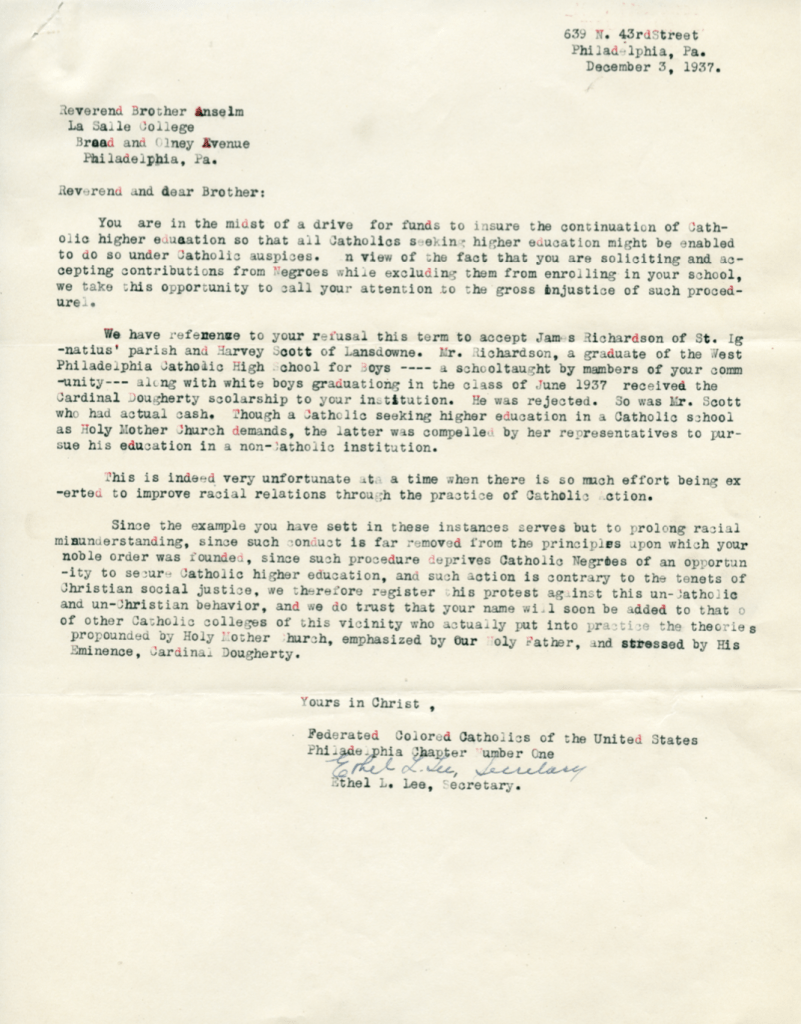
It started in 1938 with a letter from a woman named Ethel Lee addressed to the then-archbishop of Philadelphia, Cardinal Dennis J. Dougherty. Lee, the secretary of the Philadelphia chapter of the Federated Colored Catholics of the United States, had originally sent a letter to then-President of La Salle, Brother Edwin Anselm in 1937, but when it was not answered, Lee took the issue to His Eminence. The prior academic year, two Black students had been rejected — seemingly without cause — from La Salle College: James Richardson and Harvey Scott. Lee called on the cardinal to push for the acceptance of Black students into the college in order to preserve Catholic values and reject “communist” ones. “This debarring of Negroes from Catholic colleges is furnishing the Communists with additional propaganda to lure the Negro from the Catholic Church,” wrote Lee. “We direct this plea in the belief that you will make it possible for our Negro youth in this diocese to be given the advantages of a higher education under the auspices of Holy Mother Church, and at the same time protect them from the baleful influence of communism.” Later that year, the Lasallians held a meeting in which they approved the admittance of Black Catholics. Had Lee not brought the issue to the cardinal’s attention, Black students might have started at La Salle at a much later date.
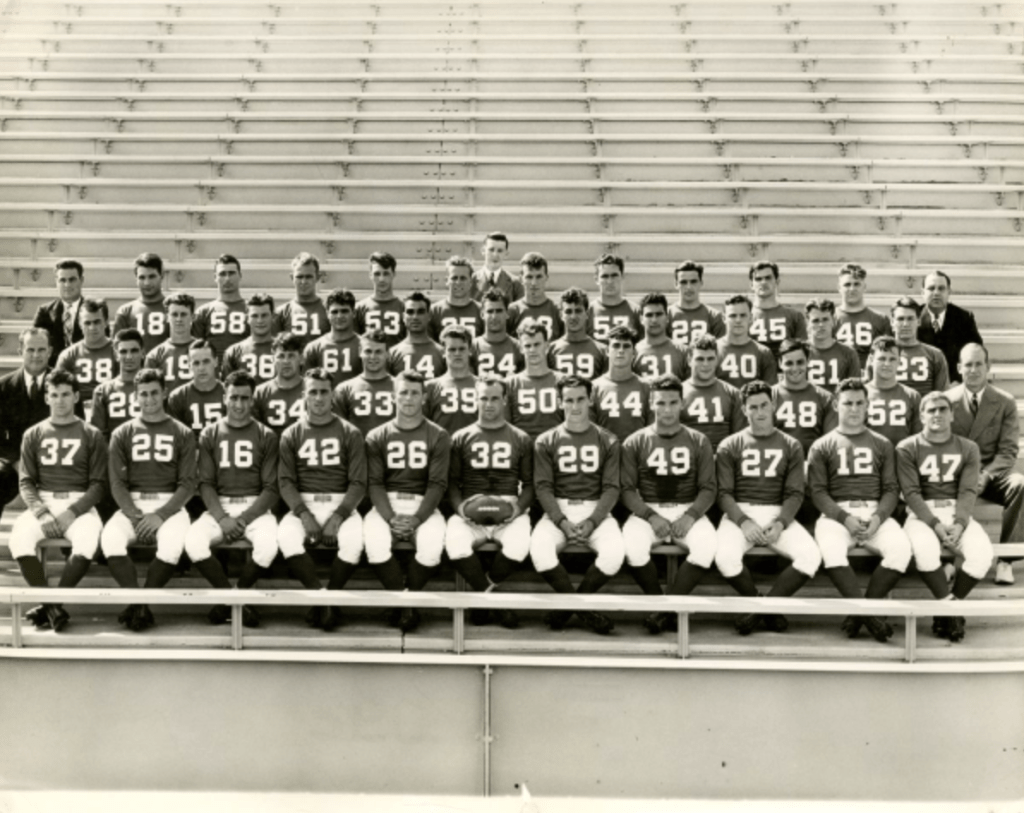
The following fall, the college welcomed its first Black student on campus: a man from Philadelphia named Elmer Brown. A member of the Track and Field team, Brown was an active part of life at La Salle. While there are few official records to indicate the challenges faced by La Salle’s first Black student, Brown’s tenure on the Track team was not always smooth sailing. In fact, at one meet in a Southern state, Brown was barred from competition because of his race. The incident was criticized by the Collegian staff in its editorial section. While Brown is an important part of La Salle’s Black history, Brown was not the first Black graduate of La Salle, however. Brown ultimately enlisted in the army during World War II and did not return to La Salle. 

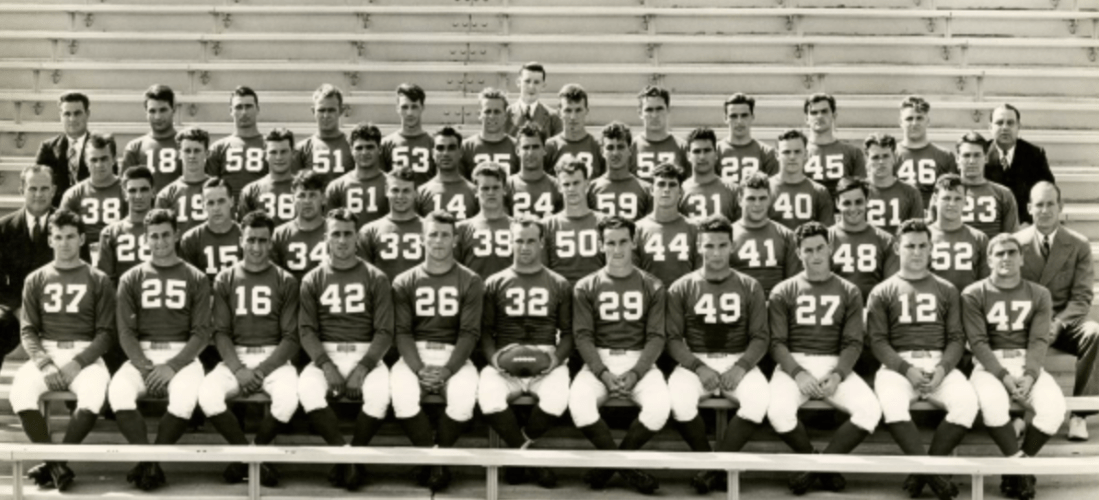
Elmer Brown is seated third from the left.
Photo courtesy of the La Salle University Archives

Throughout the 1940s and 50s, there would be only a small Black student population. The first Black graduate at La Salle would be Edward Murray in 1946. Following his time at La Salle, Murray would go to medical school and ultimately become a doctor. Warren E. Smith was one of the first Black students to graduate from La Salle’s Pre-Med program in 1954. He would become La Salle’s psychiatrist in 1969 and remain at the institution until 1984 when he retired. While maintaining a private practice, Smith also served on the staffs of Hahnemann University Hospital and Einstein Medical Center. Smith was also a psychiatric consultant to other Philadelphia institutions.

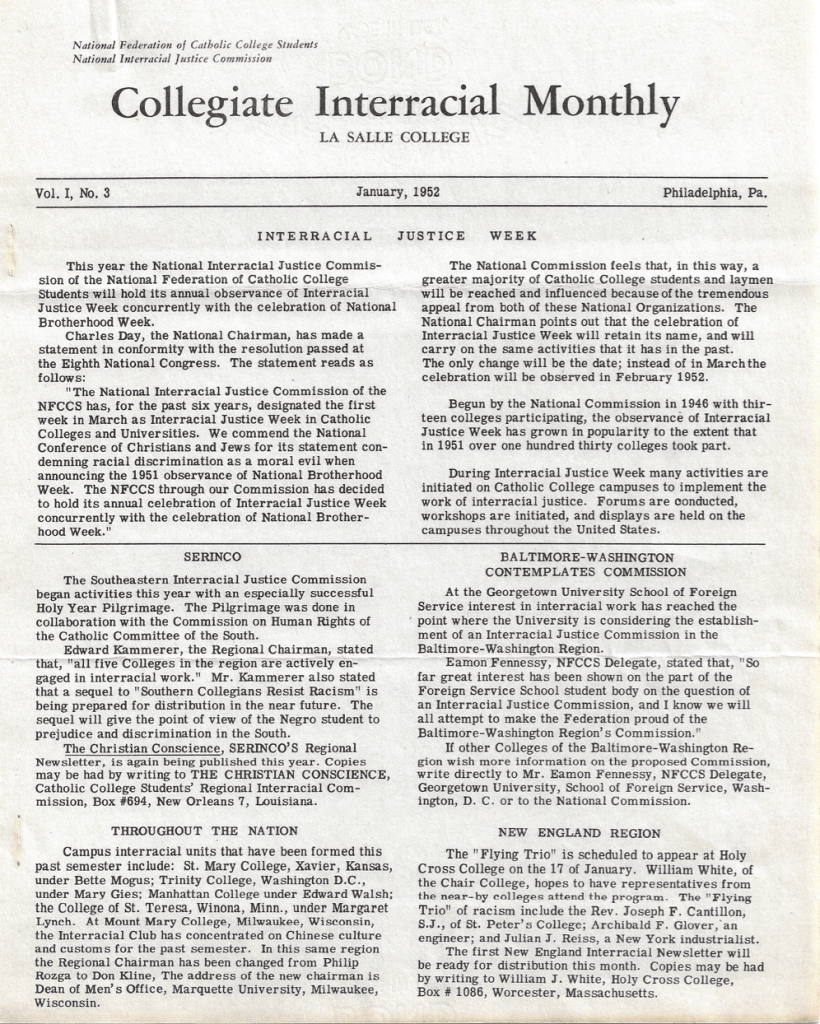
With the acceptance of more Black students, the college needed to address Black issues. In the late-1940s, La Salle became an actor in the Interracial Council — an organization created in order to address issues of race at the local colleges. According to the Collegian’s records, the Philadelphia institutions met at La Salle College for the first time. The organization discussed the work that the institutions had done for the local communities. In the 1950s, members of La Salle College also published the Collegiate Interracial Monthly which addressed issues of race. Black students did not have much of a voice on campus at this time. For this reason, the Collegian has little insight on the unique experiences of Black students or individual events of racism at the time. However, more generally, racial discrimination was pervasive in Philadelphia and across the nation in the 1940s and 50s, and racist attitudes would also exist on college campuses.

The Civil Rights Era brought many changes to La Salle, including greater inclusion and accountability. The 1960s saw a rise in activism and greater civil liberties for Black Americans across the country; that spirit of activism was present also at La Salle University. Firstly, it was at this point that the institution started to track demographic data consistently. The Black Student Union also became a critical presence on campus in the late-1960s. The organization had a sizable impact on the school. Largely because of the activism of the Black Student Union, La Salle began to accept more Black students, hire more Black faculty/staff and incorporate a Black history course into the curriculum. Yet, the Black Student Union faced many difficulties as an organization. Members of the University even labeled the organization as a “threat.”

The Black Student Union was not the only Black organization on campus to face struggles, however. According to the archival work of junior Emily Dorr, “almost every Black student group that has been present on campus was shut down, disbanded or suspended for reasons hidden under bureaucratic pretenses.” Furthermore, these groups were seen by the University as special interest groups. In 1968, then-President of the college, Brother Daniel Burke released an official report in which he stated, “As the diversity of the campus population increases, so do the number of special interest groups and subcultures. Polarization threatens the sense of community that must integrate the College. The problem is a real one at the present time. Our black students must be encouraged in their efforts to promote their self-respect and their cultural pride without separating themselves into an antagonistic relationship with the majority.” 

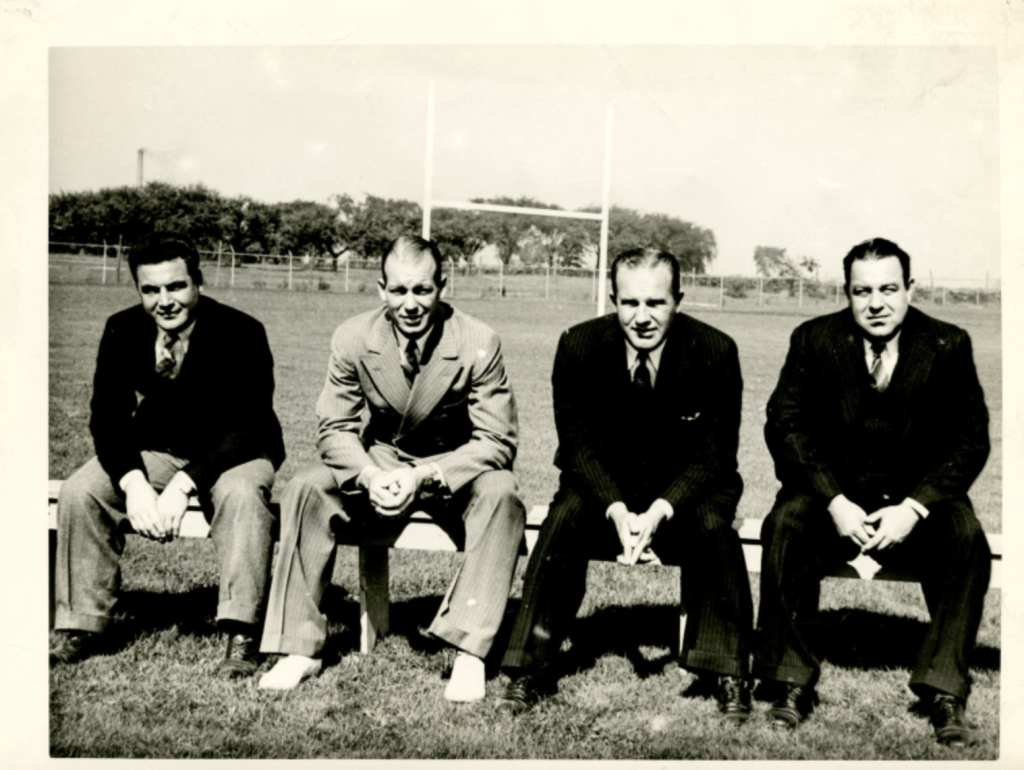
Photo Courtesy of the La Salle University Archives

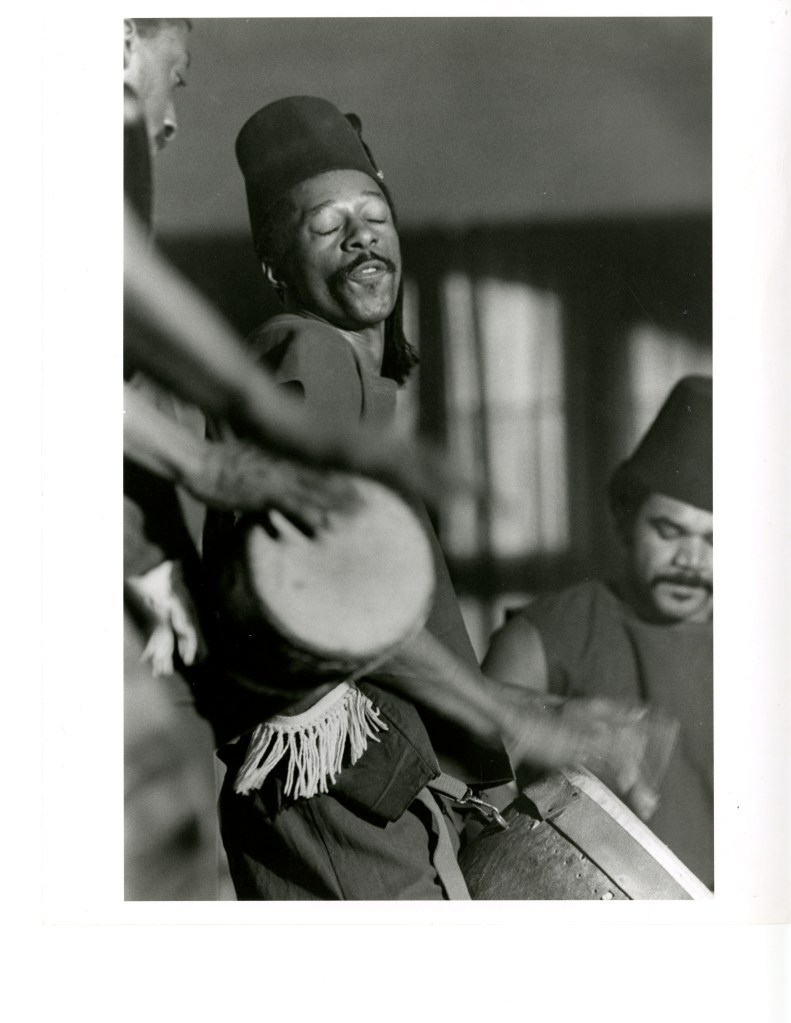
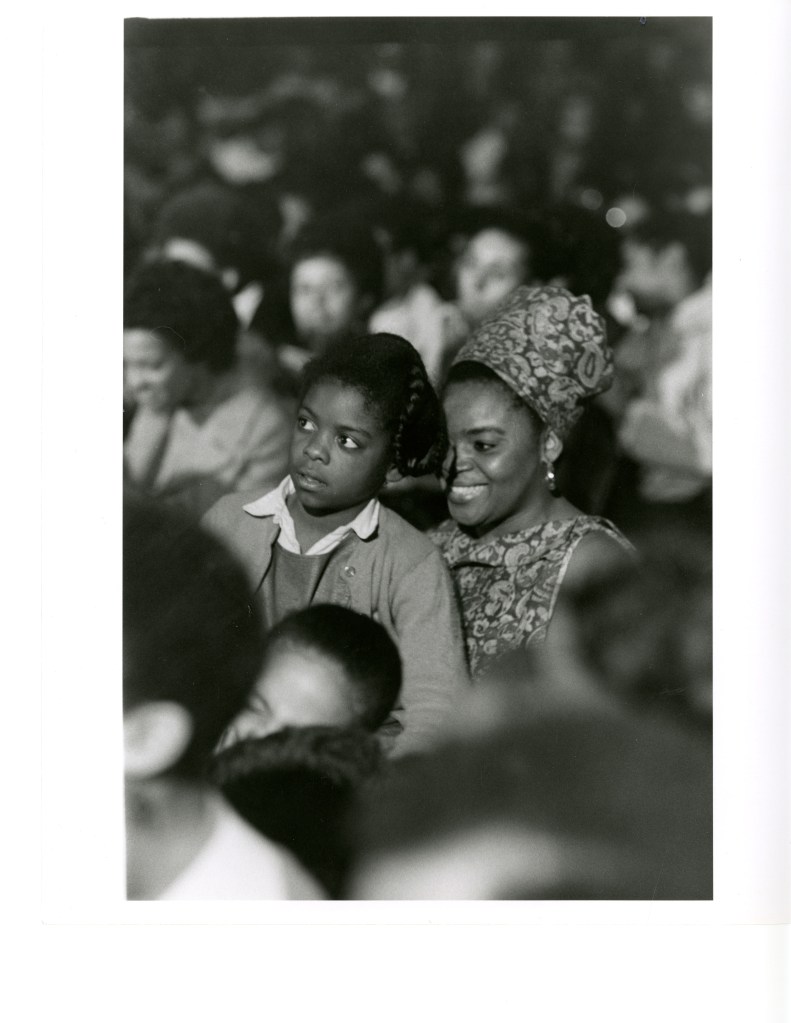
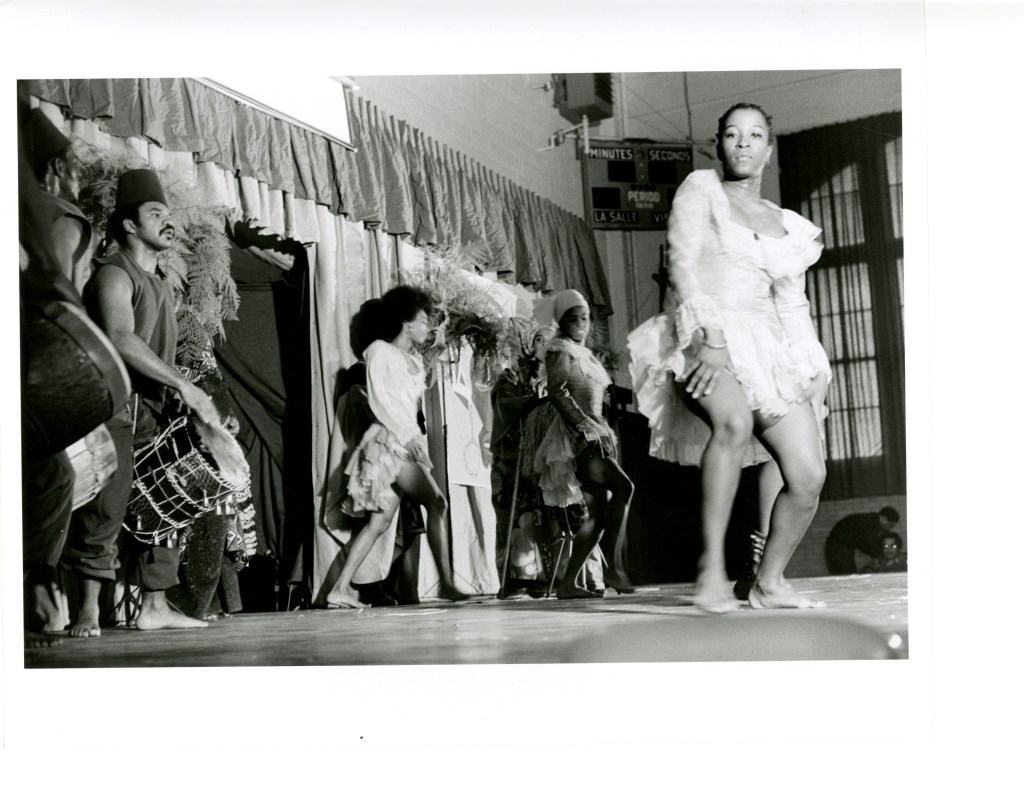
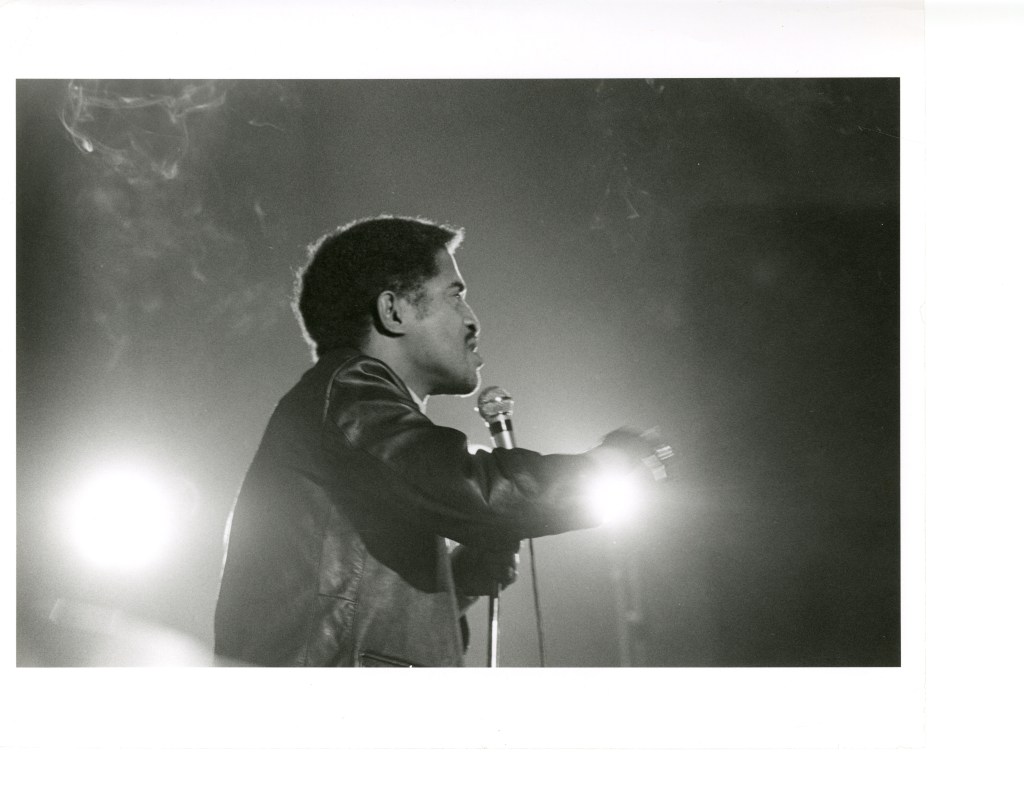
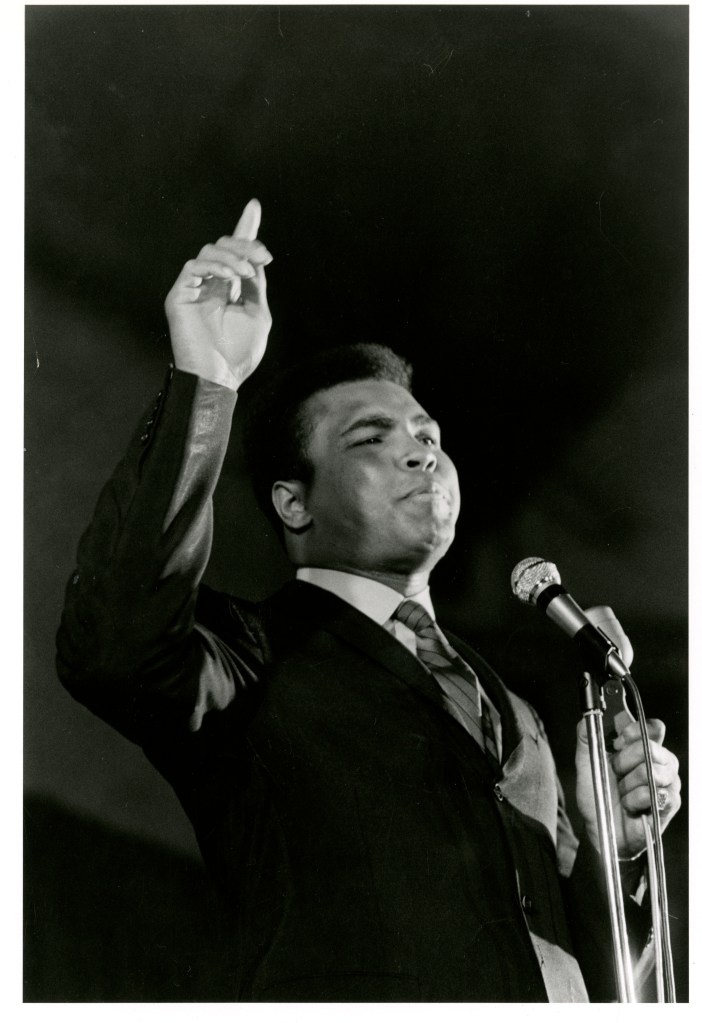
Despite the administrative challenges, Black student groups persisted. Without a complete oral history, it is impossible to quantify the unique experiences and struggles of Black students as events during this era unfolded across the country. Yet, the events and publications of these student groups offer a hint into Black culture at La Salle through the 20th century. In 1969, the first Afro-Americans Arts Festival was hosted on campus. A celebration of Black art, the event featured a number of performances. Among the attendees were names like Muhammad Ali and Sammy Davis Jr. 

Around this time, La Salle experienced a wake-up call in terms of race relations. La Salle had recently piloted its Open Door Program, which was an initiative to accept more Black students into the institution. The program was a precursor to later support programs at the University. It had partially failed, however, because the institution underestimated the level of support Black students from the local community might need. 

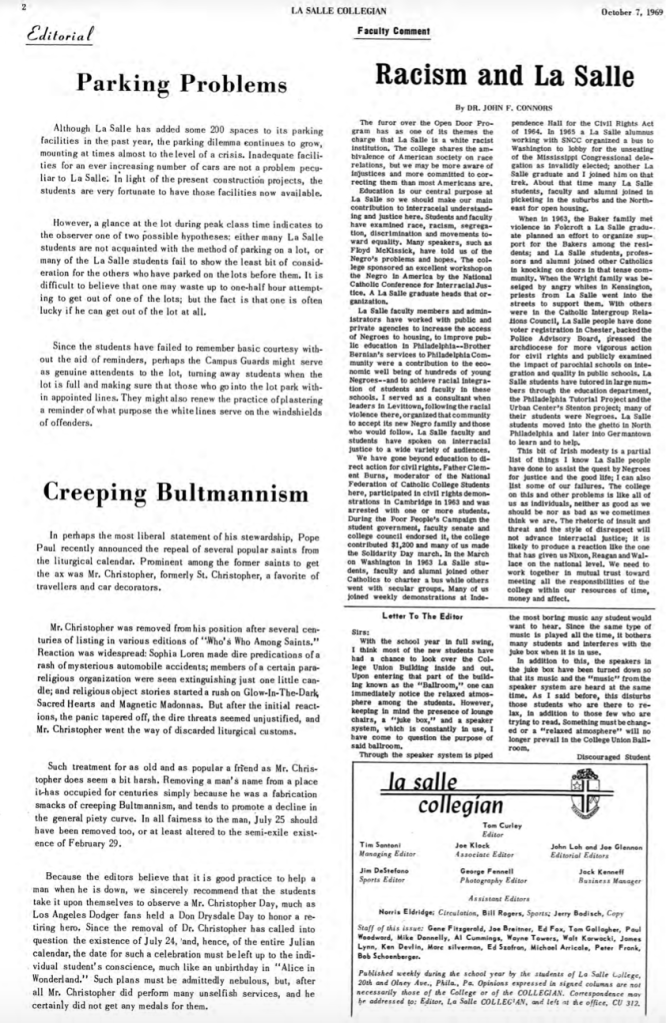
The controversy surrounding the program is an indication that efforts of Black students to bring to light the issues of racism on and off campus created a dialogue about race at La Salle. From this discourse, it was clear that there was a disconnect on campus. In an October 1969 issue of the Collegian, a sociology professor wrote about racism and La Salle in a commentary article. In the article, he defended La Salle as a school which promoted equality for the Black community and criticized those who questioned the program, saying, “The style of disrespect will not advance interracial justice.” The article was in response to another letter to the editor titled “No Compromise,” in which the author — who signed the article “Frustrated Black Student” — called out the University for the program which the student saw as a band aid solution. The student wrote, “It is rare, if ever, that Whites in positions of solving racial problems really ever want to get right down to the real nitty gritty and deal directly with the crux or the reality concerning such matters.” The student ended with a call to action: “The seeds are being sowed by whites with power, and only they can change the situation, not only mine, but my people many of whom feel just as I.” Black members of the Lasallian community were demanding change, while White members were applauding La Salle’s efforts.
The decade would end with these dynamic insights about race on campus, and a new decade would begin with La Salle opening its doors to its first Black women students…

The sequel to this article will feature Black students at La Salle from the end of the Civil Rights Era into the 21st century. To contribute your voice, please contact the author.

abbateb2@lasalle.edu

Historic Snowfall Seen All Around the World

Features

Elena Tzivekis, Staff Writer

As the world continues to adjust to life in a pandemic, Mother Nature has other plans and is throwing historic amounts of snow our way. While heavy snowfalls are normal in countries, such as Russia and certain parts of North America, in the last month, some areas have seen record-breaking snowstorms, some the heaviest seen in decades. Listed below are several of the heaviest and most shocking snow falls from around the world over the last few weeks.

Madrid

Courtesy of the Washington Post

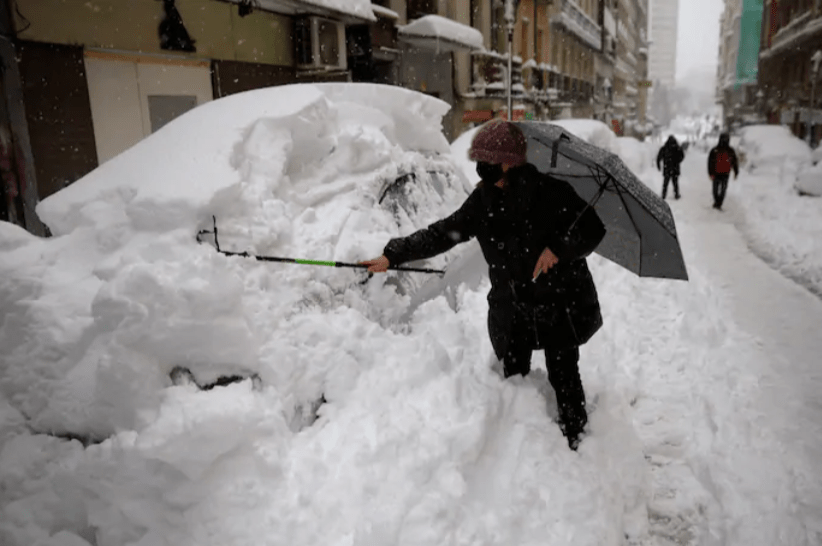
When you think of Spain, you often picture the bright sunny city of Madrid, its intricate parks and elegant architecture. You may not always picture it being covered in snow, even during a normal winter season. This year, Madrid received a little over 12 inches of snow, the most since 1971 — bringing the city to a complete halt. 

Moscow

Courtesy of Moscow Times

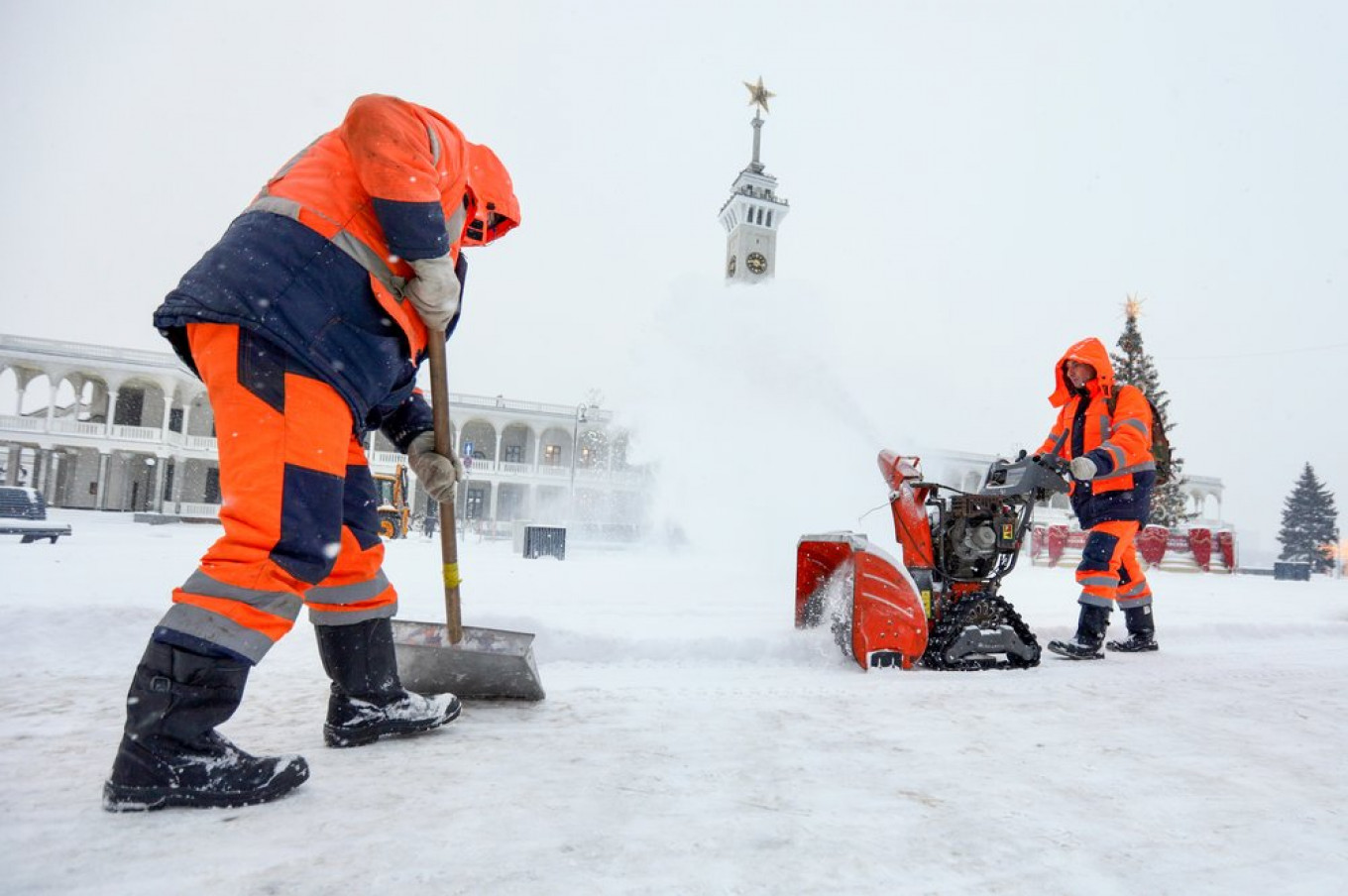
While you can expect that a country such as Russia typically receives several feet of snow a year, this year was a bit more than usual. It turns out last year, Moscow received a very mild snowfall and within the first two days of its recent snowfall, Moscow was sitting under 22 inches of snow. There were 60,000 city crew members who joined in efforts to clean up the snow. 

Athens

Courtesy of Euro News

Greece is no stranger to snow, however, this year the country has received an unprecedented amount as opposed to years prior. Heavy snow totaling several inches covered Athens during their recent snowstorm, just as the country was beginning to distribute COVID-19 vaccinations across the capital city. While snow is common among the mountainous regions in Greece, it is far more rare to see it in the capital city. 

Texas

Courtesy of People Magazine

The recent snowstorm to hit the U.S. impacted several states, including Texas. While it does not snow often in Houston, one of Texas’ largest cities, it snowed a record-breaking 22 inches this month. This is one of the 94 times it has snowed in Texas since 1981. The last time it snowed as bad as this year was in 1985, on Valentine’s Day. 

New York

Courtesy of New York Times

New York is no stranger to snow, but the recent storm has hit NYC with one of the biggest snowfalls in its recent history. Since their last blizzard in 2016, this year’s highest counted snow within the last few years totaling in 17.4 inches. 

Philadelphia

Courtesy of Philadelphia Inquirer

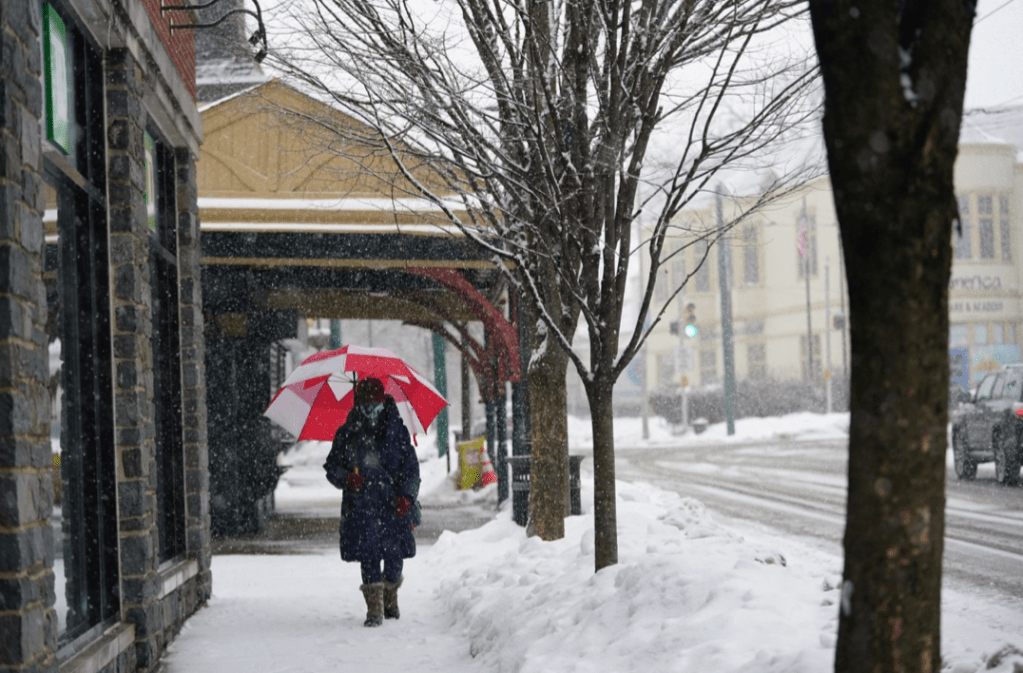
We had to mention our lovely city on this list, as we saw a sizable 17.5 inches of snow this winter. Philadelphia had also recorded 4 consecutive days of snowfall, which is only the 4th time this has happened in our history. 

tzivekise1@lasalle.edu

From nights in Kiev to lessons in Kant: featuring Anastasia Kershaw, ‘21

Features

Bianca Abbate, Editor-in-Chief

In 22 short years, La Salle senior Anastasia Kershaw, or Nastya, as she is known around campus, has accomplished a lot: she’s spent summers in her childhood at a convent, climbed Mount Kilimanjaro for charity and even endured the 2014 Ukrainian revolution. Through it all, her adaptability has enabled her to succeed in intricate environments time and time again.

Pictured above is Nastya off of I-95. (Courtesy of Anastasia Kershaw)

Kershaw is a biology and philosophy double major. Since the age of 7, she dreamt of being a doctor, hence the biology track. Her pursuit of philosophy was inspired by a general education course she took freshman year, in which she realized how applicable the content was to her day-to-day life. One philosophy professor who had an immense impact on Nastya as a student was philosophy professor Cornelia Tsakiridou: “It’s something about the way that she lectures or the readings she assigns, but she helped me incorporate this cool thing I’d learn in University into my everyday life. You read about life and then you live life.” Kershaw also admires that Tsakiridou is quick to hold students accountable: “She helped me step out of myself and observe my thoughts and biases. It made me a better thinker and a better human.” She particularly enjoyed a class on ethics and the death penalty with said professor. Kershaw is also the recipient of this year’s Department of Philosophy award, which is given to an exemplary student from the department each year.

La Salle wasn’t always on Kershaw’s radar. In fact, the graduating senior saw herself at a large school, particularly in Boston, just 4 short years ago. Her aunt and uncle, who met as Explorers, encouraged her to apply to the school, and after Kershaw received a good deal from the University, the rest was history. In her time at the University, Kershaw has held multiple jobs, played rugby and currently edits for the Collegian (something she always wanted to do). She has also conducted research with Chair of the Biology Department David Zuzga; the research entailed finding a biological marker to determine a relapse in colon cancer.

Pictured above are Nastya and her father. (Courtesy of Anastasia Kershaw)

Philadelphia is the beloved home of Kershaw, but the biology-philosophy double major has her roots in Kiev, Ukraine, where she was raised. The daughter of a Ukrainian mother and American father (who met at a bus stop in Kiev where her father was stationed), Kershaw is somewhat of a global citizen. She’s traveled to places like Italy, Qatar and Tanzania, leaving her mark across the globe. This is something Nastya talks a great deal about with her dad, being “rootless.” “It feels like I’m too Ukrainian to be American and too American to be Urkainian,” she tells me. Because Kershaw has always attended international schools and has American relatives, it throws many people off that Kershaw has no Ukrainian accent. Kershaw remarked that this common misconception is often a source of frustration for her.

Still, her Ukrainian roots are an important part of Kershaw’s identity. She recalls with great nostalgia her Ukrainian upbringing, of which her grandparents were a large part. She spent many summers of her childhood at a convent in the country with no electricity or running water where she would tend to cows (her favorite having been named “Fly”) and fetch water from wells. She also worked in a kitchen, ultimately inspiring her love of cooking. Kershaw keeps in touch with her Kiev roots by going to the Ukrainian markets in Northeast Philadelphia, chatting with Ukrainian family members, watching Ukrainian/Russian TV shows and enjoying Ukrainian memes on the internet. She also loves borscht, a staple Ukrainian soup made with beetroots. When asked what the secret was to a good borscht recipe, Kershaw quickly replied, “Have your grandmother make it.”

Nastya tells me her grandfather is a “big storyteller.” (Courtesy of Anastasia Kershaw)

Before coming to La Salle, Kershaw did spend most of her time in Kiev. However, Kershaw is quick to recall a 3-month stint in the suburbs of Pennsylvania back in 2014. 2014 was the year of the Revolution of Dignity in Ukraine, which culminated in the ousting of the Ukrainian President and the overthrow of the Ukrainian government. As civil unrest unfolded throughout the region, Kershaw’s mother, then pregnant with one of Kershaw’s younger siblings, decided to take her children to the States. There, Kershaw experienced one of the greatest culture shocks of her life. A time when she truly had to channel her adaptability, the young teen entered Catholic school for the first time in the middle of the school year and faced unique challenges as a student. After 3 months, Kershaw returned to Ukraine. Though disruptive, that time period brought Kershaw closer to her grandmother.

The last semester of college has offered Kershaw a great deal of time to reflect on her past experiences. If there were one thing she could tell her younger self, it would be: “Just go for it.” She continues, “I’ve had weird phases of being timid in my life — they still come and go — I wish I could tell myself to just go for it. What’s the worst that can happen?” Now, she’s taking her own advice and running with it. Despite her childhood dream of becoming a doctor, Kershaw no longer feels tethered to this goal. “I kind of want to do everything,” says the senior, who is currently pursuing other career options. Big things are to come for Anastasia Kershaw.

When she isn’t engaged in her studies, cooking her signature soy ginger salmon for her roommates or jogging through the City of Brotherly Love, Kershaw is serving tables and tending the bar at an upscale joint in Olde City called Marmont Steakhouse. For readers over the age of 21, Kershaw recommends trying Marmont’s Market Street Wino cocktail.

There are many simple pleasures Kershaw misses from a pre-Covid world, but one of the greatest is the ability to go home and see her Ukrainian family. The global citizen is staying strong, however. She lives by the mantra frequently embraced by her grandmother: “This too shall pass.”

abbateb2@lasalle.edu

La Salle alum directed docuseries wins Realscreen Award

Features

Jake Eiseman, Editor

Header Image: Netflix

On Jan. 26, the Netflix docuseries “Basketball or Nothing” won the RealScreen Award for Best Non-Fiction Sports Documentary Program. It beat out ESPN Films’ “D. Wade: Life Unexpected” and “LANCE,” as well as the projected winner, NBA Entertainment’s “The Last Dance.” The RealScreen Awards are an annual event held within the RealScreen Summit, a celebration of all non-fiction media run by RealScreen Magazine.

La Salle alumnus Matt Howley ’94 was the director for the series, which debuted on Netflix in August 2019. The series follows the basketball team at Chinle High, a school located in an Arizona Navajo reservation, and their quest to win the state championship. Howley believes that the reason the judges gave his series the edge over the Michael Jordan documentary “The Last Dance” was that “Basketball or Nothing” was “more of a human story than a sports story.” The series was also nominated for a 2020 Sports Emmy.

La Salle University
Matt Howley and his team worked on the reservation every day for months.

“Basketball or Nothing” has been praised both for its work at detailing each player on the high school team’s roster, as well as its in-depth explanations of the reservation life and the ‘rezball’ style of basketball. “Resilience,” said Howley, “was the main theme of the project. You can see this player with no water or electricity at home come to school and compete to hopefully win a college scholarship.” At first, the players and their families were not very responsive to a documentary crew being on the reservation, Howley said, with one member of the community even asking them if they were “going to do a film about showing the bad on the reservation,” and warning them “if you want to exploit us, we don’t want to do the show.”

Howley and his team eventually set their cameras down and made it their goal to connect with the Navajo residents on a personal level. “Basketball or Nothing” is as much a slice-of-life story as it is a sports story, showing sections or whole episodes dedicated to life on the reservation. Howley said that “around day 12, it started to click. We started to collaborate with the community to tell this story.” Howley said that quickly his team realized that “these kids were not going to care about our project until they cared about us, and we care about them.”

For the three hours of footage that were used in the final edit, 50 hours of footage and months of on-site work were required. Howley said that day after day him and his team would shoot the players at practices and games, but the most interesting days on site were going to the players’ homes and learning about their families. “We were hoping to tell an inspiring story about these kids, their families and the team that they all united around to keep their hopes up,” said Howley.

Three of the Lasallian virtues are “faith in the presence of God,” “respect for all persons” and “inclusive communities.” These virtues can be seen through the storytelling in, and production of “Basketball or Nothing.” “Every single person is important and has a story. Investigating stories is about talking to people and learning different perspectives.” He said that La Salle prepared him for this career, and that while he was with the Navajo peoples, he knew he was on their land and that he was an outsider and refused to take that for granted. Howley says that “if you treat everybody like that, it teaches you to value your relationships more.”

To La Salle students that want to follow in Howley and other alumni’s footsteps, Howley says to “constantly be curious, ask questions and hunt down a story. Be aware of what you do not know.” He said that once he learned to let the story tell itself instead of trying to tell the story, everything fell into place, and he encourages students interested in documentary or filmmaking to attempt the same thing.

“Basketball or Nothing” season two is currently very early in development, but Howley says he is hopeful it will come out better than the first and that he is excited to return to the reservation.

eisemanj1@lasalle.edu

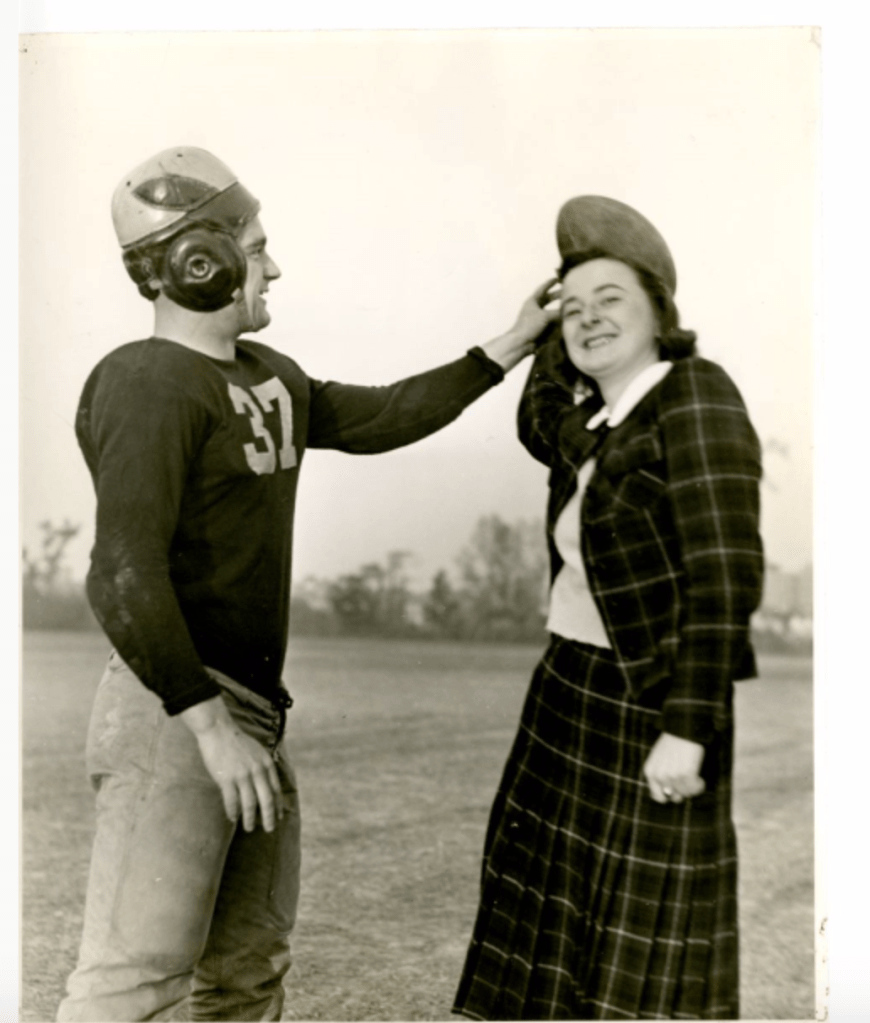
The rise and fall of the La Salle football team

Features

Bianca Abbate, Editor-in-Chief

This article was made possible in large part by the help of Catherine Carey from the La Salle University Archives.


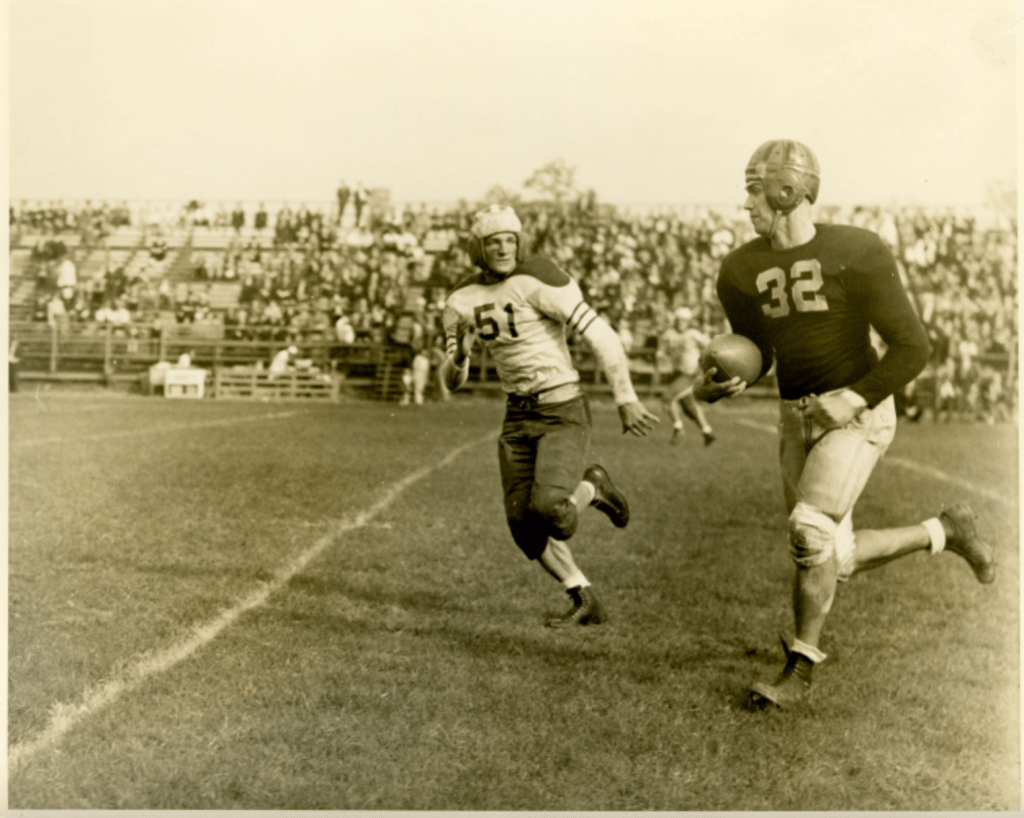
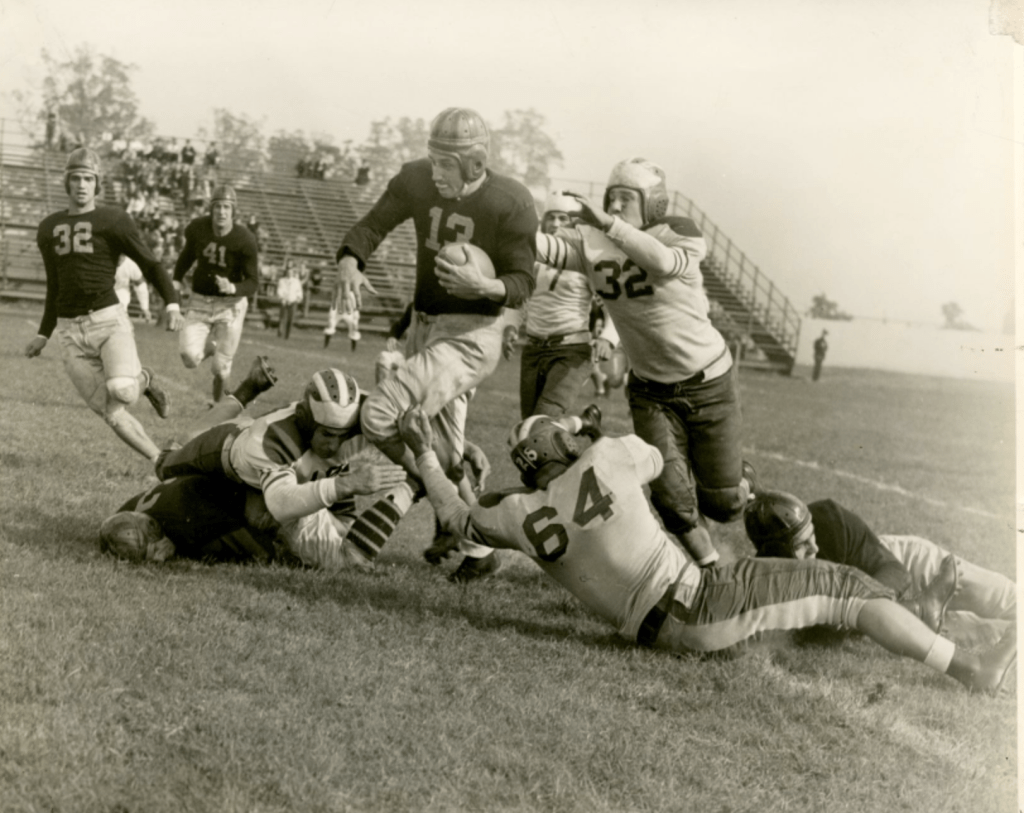
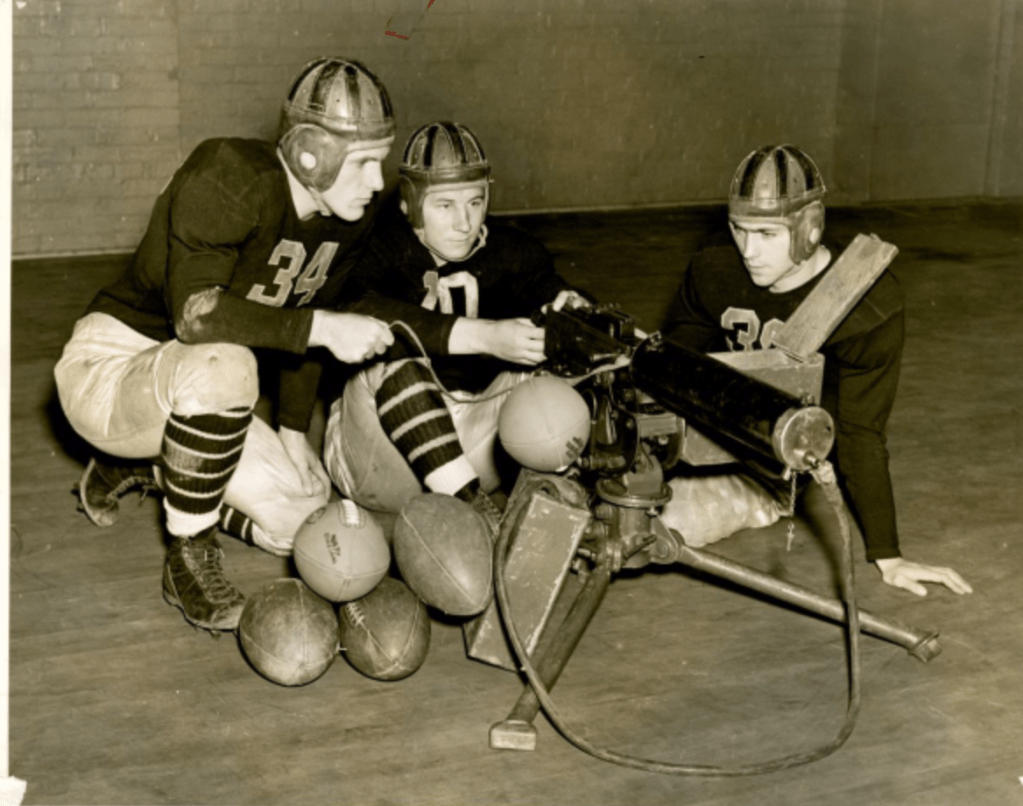
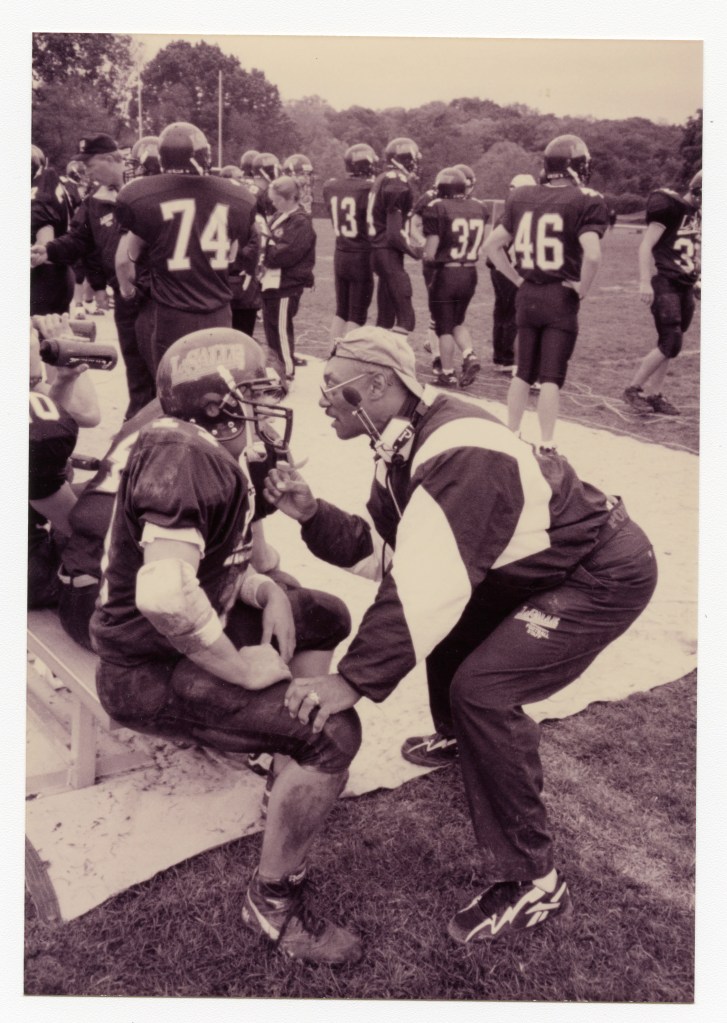
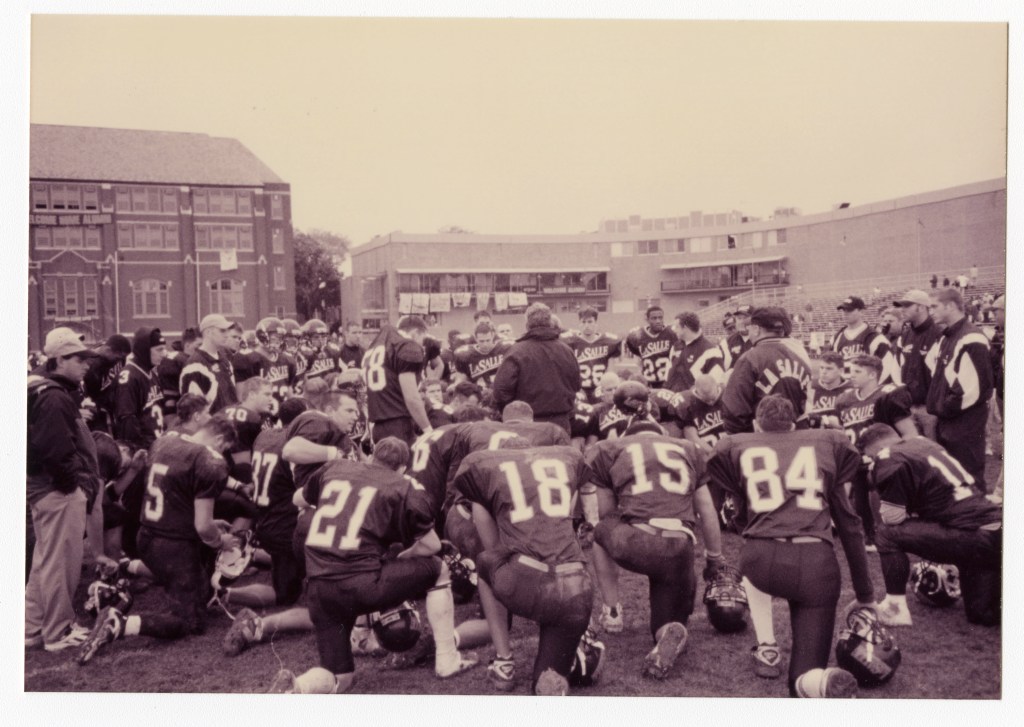
For many college graduates, memories of football games are among the most prized of them all. An American tradition, college football is a culture immersed in family, tradition and even tribalism. Yet, for La Salle grads, most cannot relate to the nostalgic feeling of fall football games. In fact, many students at the University today may be surprised to know that — at different points in history — La Salle had its own football team that dates back to the 1930s. This week, the Collegian is looking at the chronology of the football team at La Salle and why the Blue and Gold no longer put their hats in the football ring. 

A Letter from Notre Dame

In Dec. 1930, legendary Notre Dame football coach Knute Rockne addressed a letter to Brother Francis de Sales of La Salle. In the letter, Rockne recommended that his former football team captain, Tom Conley, become the first football coach for La Salle College. A Philadelphia native, Conley was the captain and star end on the 1930 championship team at Notre Dame and was set to graduate in the spring. The college took Rockne’s advice and welcomed Conley back to Philly. Two months after signing the letter to Brother Francis, Rockne was tragically killed in a fatal airplane crash in Kansas. 

Conley, Brill and Victory

Practice for the La Salle College football team under the young Coach Conley commenced in Aug. 1931. Sep. 26, 1931, in front of a crowd of 3,000 at the old Baker Bowl (former home of the Philadelphia Phillies and the Philadelphia Eagles) on Broad Street, La Salle defeated Brooklyn City College (26-0). The same year marked the beginning of the Collegian newspaper on campus; while the paper reported on the victory, the tenderfoot journalists did not report a date for this game. Oct. 17, 1931 marked the first home game in La Salle’s first varsity football season. The Blue and Gold (not yet the Explorers) came out victorious over Moravian College (18-6). Due to heavy rain, not many fans were able to witness the game. Nonetheless, the team was off to a great start, and for these newcomers, anything was possible. 

In March 1932, former Notre Dame star Marty Brill was signed as head coach of the football program. Come fall of 1934, the College registered an undefeated football season. Beating neighboring teams, such as St. Joe’s and Villanova, the La Salle football team was regarded as a premier program in the state of Pennsylvania.

The home of the Blue and Gold would be the Baker Bowl until the McCarthy Stadium opened in 1936. Named after a generous friend of La Salle College, John A. McCarthy, the stadium is a venue for sports at La Salle to this day.

The Beginning of the End 

No one knew that La Salle’s victory against the Pennsylvania Military College (12-2) Nov. 22, 1941 would be the University’s last official football game for 56 years. The grave events in American history to follow this game would be what ultimately pulled the plug on La Salle football. Dec. 7 1941 marked the attack of Pearl Harbor; the United States would enter World War II the following day. The University dropped the football program for the duration of the war. In its 11-season run, La Salle had a composite record of 51-34-8. 

A Fleeting Revival

In 1967, after a long absence from the campus, football unofficially returned to La Salle College via a club football team. In the season opener, Sat., Oct. 14, under the coaching of Frank Garfolo, the Blue and Gold defeated St. Francis College (20-0) in front of 3,000 fans. Of the five games in that club season, this game was the sole victory.

The Boys are Back in Town

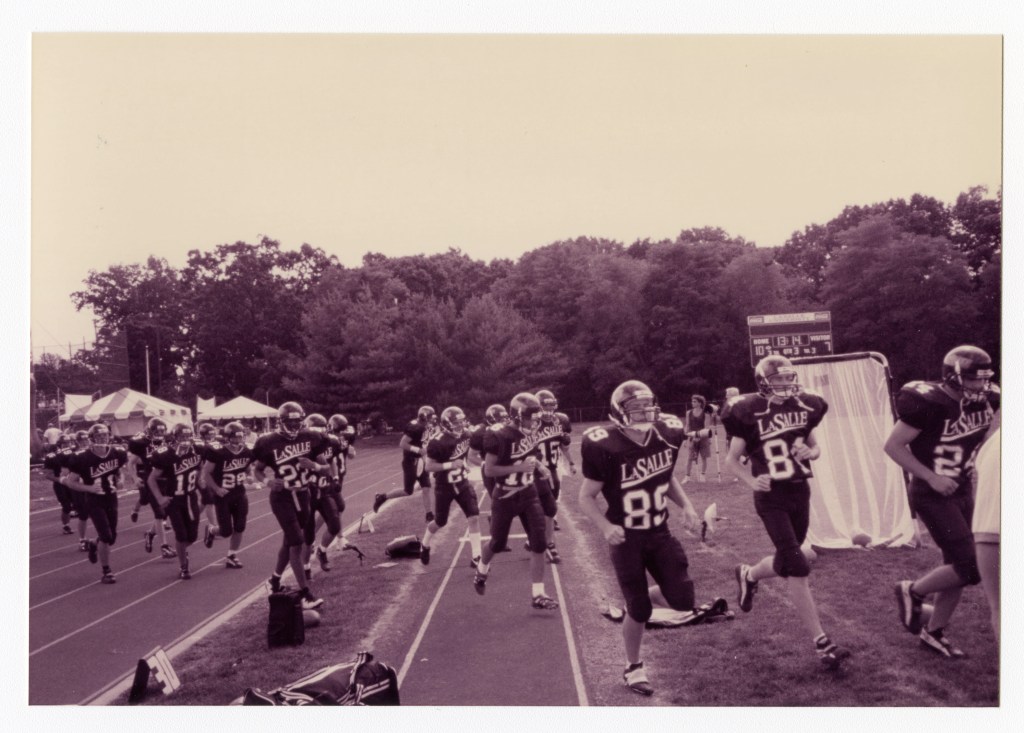
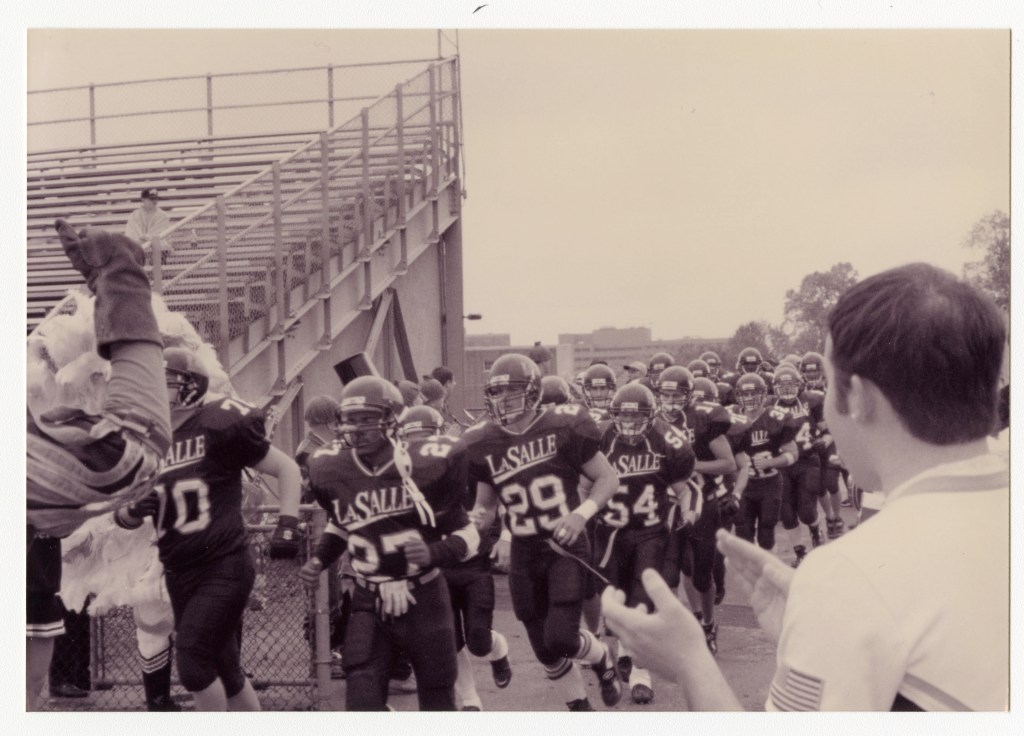
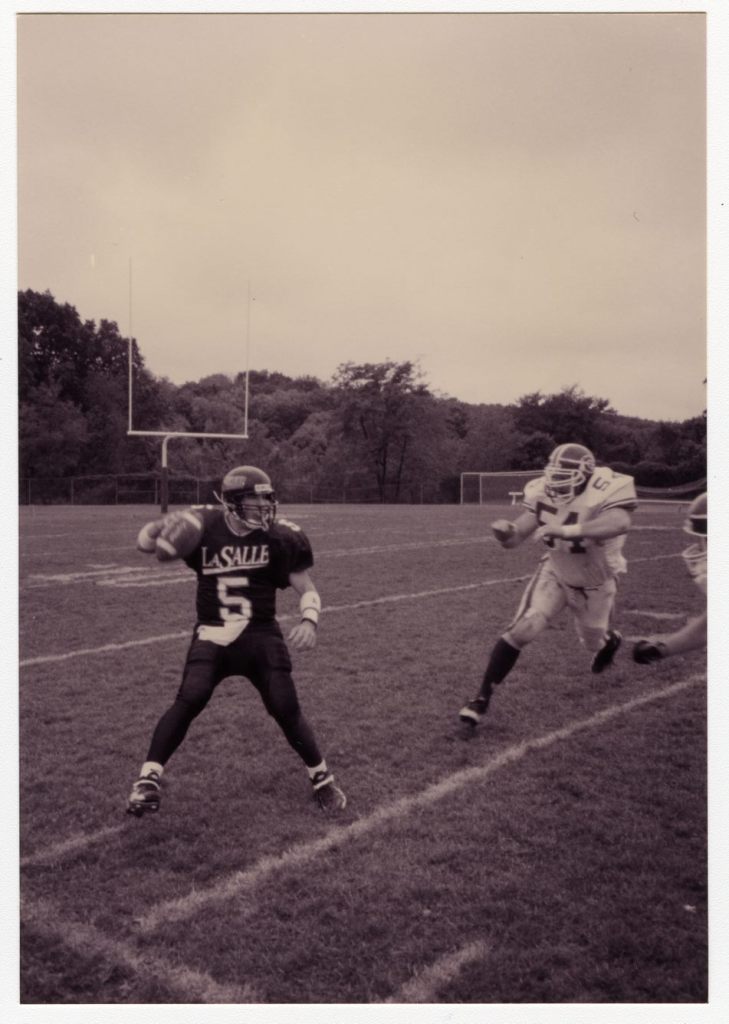
Sep. 6, 1997, after a 56-year hiatus, the La Salle football team officially returned to the field, competing in NCAA football, Division 1-AA (non-scholarship). In that Saturday game, La Salle faced Fairfield University. At halftime, the Blue and Gold held the lead against Fairfield (10-7), but ultimately lost in the second half with a final score of 34-10. Nonetheless, the Explorers played for a crowd of 6,600 in the McCarthy Stadium stands. In its 1999 season, La Salle officially joined the Metro Atlantic Athletic Conference Football League (MAAC). 

Nov. 19, 2007, the La Salle administration announced that the University would discontinue the football program due to the collapse of the MAAC Football League (at which point only La Salle, Marist and Iona remained). The University did not have the resources to move La Salle to another conference due to traveling expenses. This announcement marked the conclusion of the La Salle football team in the modern era. So, while the Explorers are no longer attending tailgates before kickoff, they would be remiss to forget football was once a part of life at La Salle.

abbateb2@lasalle.edu

Featuring Poetry: “Those Eyes”

Features

“Those Eyes”

You learn a lot about somebody, 

Just by looking in their eyes.

You can nearly see the entirety of their life,

Through saucers in disguise.

You see the love, 

You see the loss, 

But most importantly—

Eyes CANNOT conceal lies. 

It’s a beautiful thing really, 

When you stare into the right eyes.

Those Eyes. 

You never forget them. 

They are one of a kind, 

A needle in a haystack, 

Far and wide in between, 

And yet they are always seen. 

And no one even realizes that they are those eyes

Nobody that is but you of course. 

So, what are you left with? 

Well, it’s complicated to be truthful, 

And the only time you ever feel full,

Is in those eyes.

But without those eyes, you lose the full, 

So, you’re just left with the truth. 

And what is the truth? 

Depends on whose eyes you look in for it. 

As for you, 

You’ve lost your light, 

You don’t see your spark, 

When you look into your own eyes, 

You’re left in the dark. 

You’re lost in an abyss, 

Some might consider that bliss. 

But you wonder if others see your hollowness. 

Do your eyes put up a good enough façade? 

But that’s the thing—

Eyes CANNOT conceal lies.

Even for you dear, 

Even after all your tries, 

The truth is a funny concept even your eyes couldn’t hide. 

But that all comes to an end, 

When I find those eyes

One day I’ll find what I see in those eyes,

In mine. 

-G.R.M.

Please submit poetry or photography to abbateb2@lasalle.edu for a feature on our site.

La Salle lets it snow

Features, Uncategorized

Bianca Abbate, Editor-in-Chief

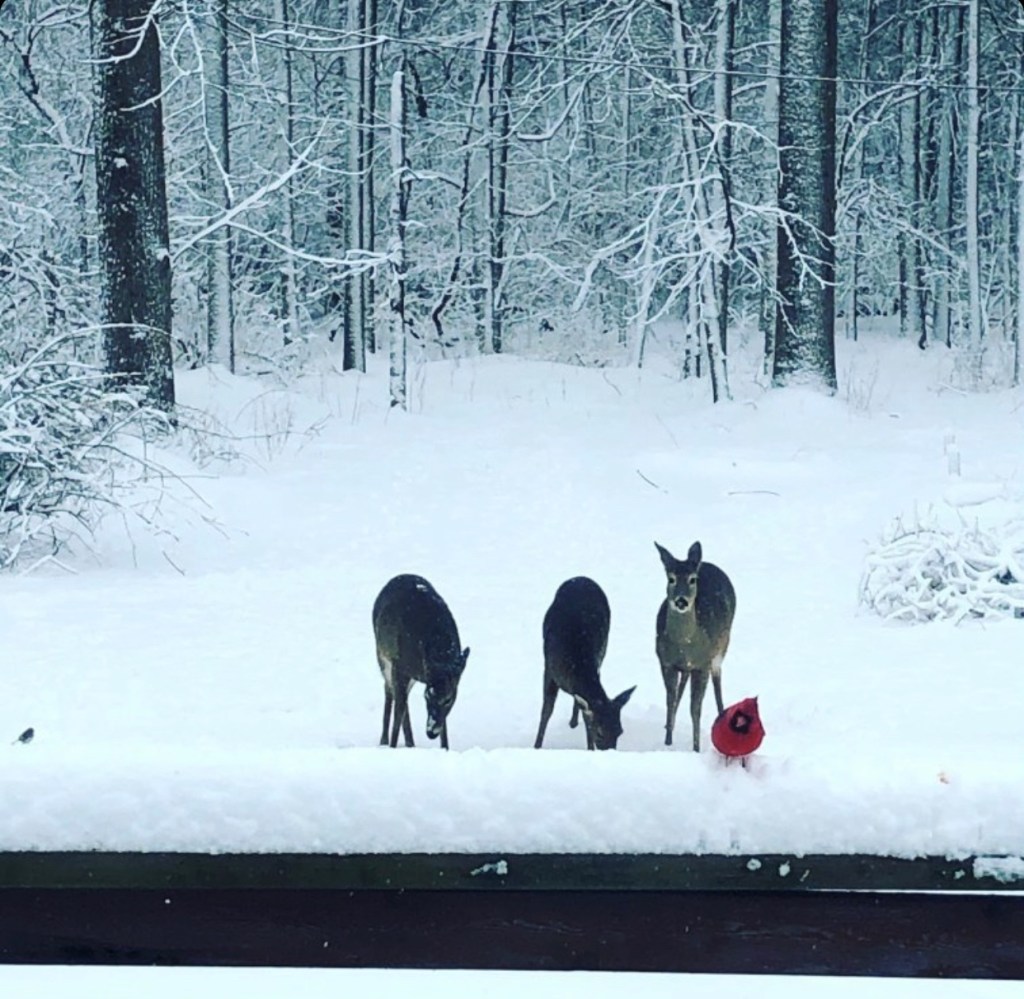
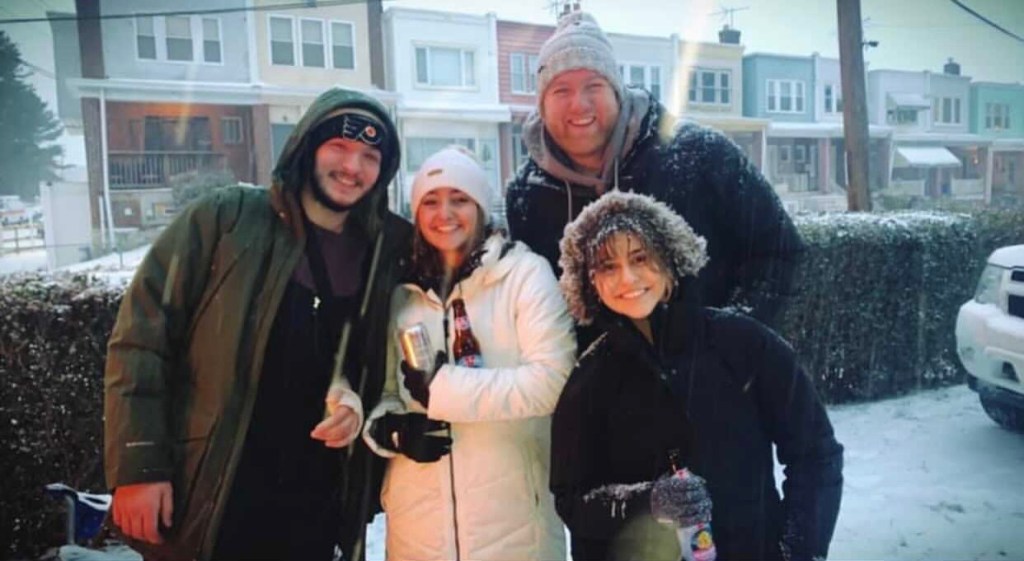
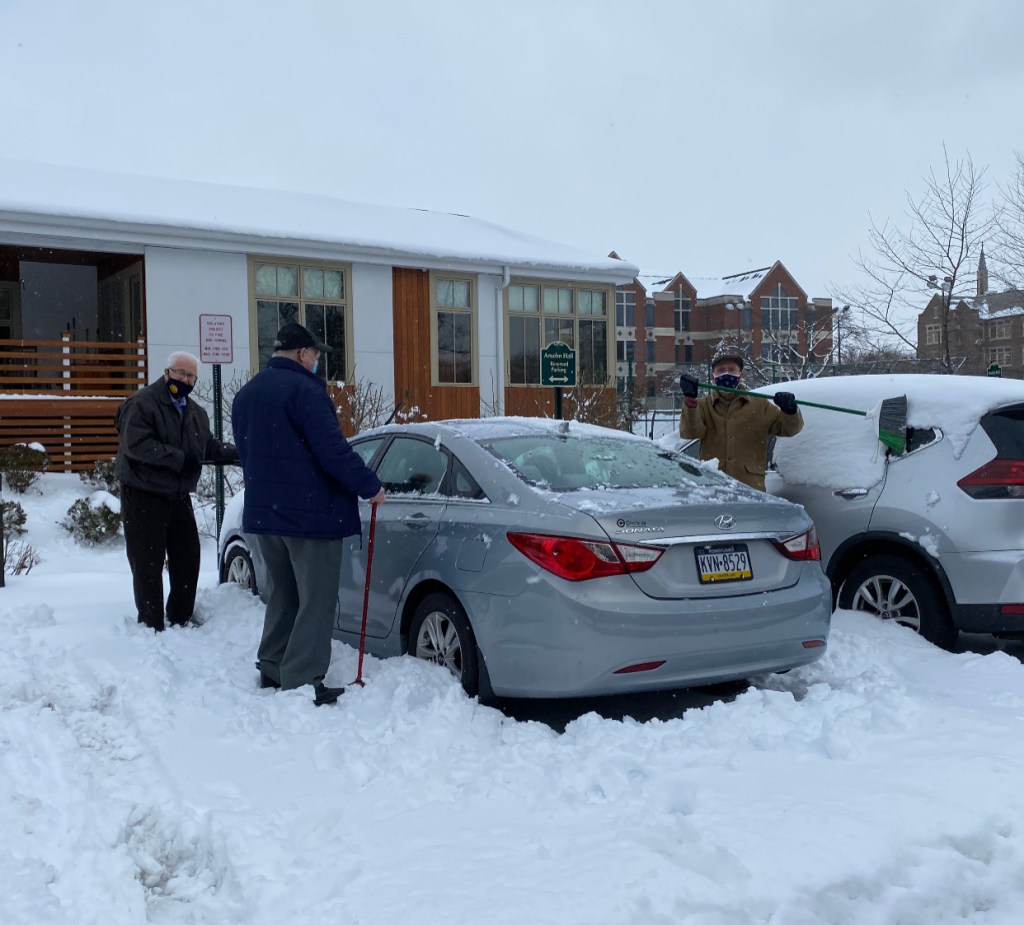
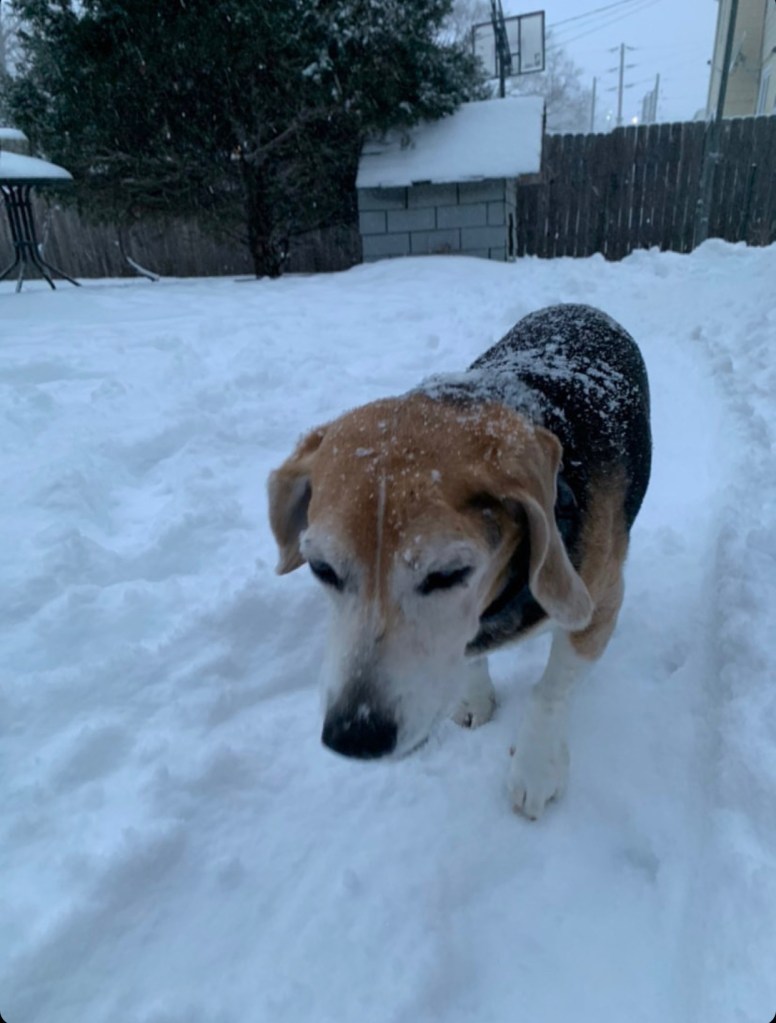
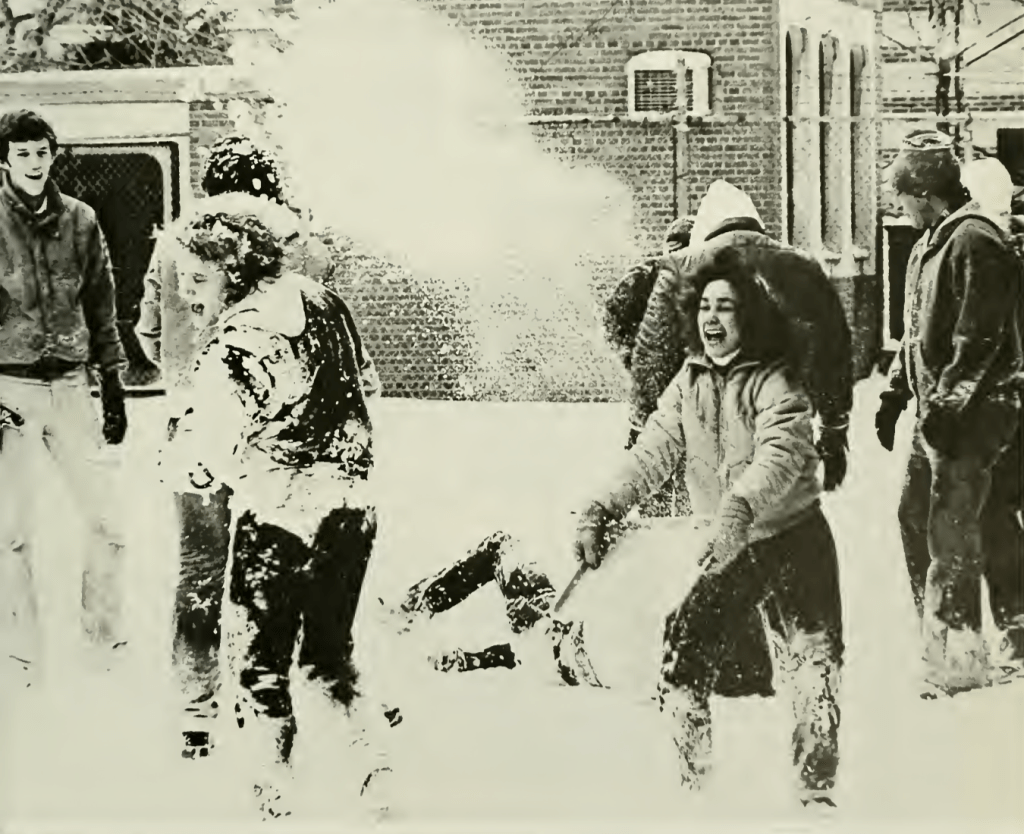
Class may still have been in session, but snowfall on campus for the past two days has brought a playful air to 20th and Olney. Alumni and students share their Lasallian snow days flicks of past and present with the Collegian:

abbateb2@lasalle.edu