Academy Awards season: “Sound of Metal” review

Arts & Entertainment

A mostly spoiler-free rundown of the Oscar nominee

Nolen Kelly, Staff

Header image: New York Times

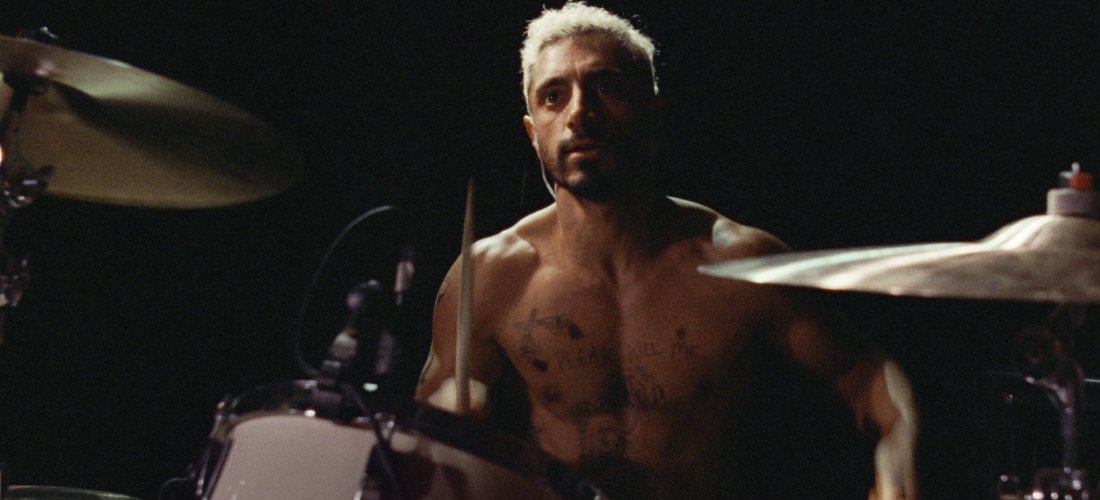
Riz Ahmed was announced as one of the candidates for the coveted “Best Actor in a Leading Role” category for his performance as Ruben in “Sound of Metal,” making him the first Muslim actor to nab the achievement and I could not be more excited. I have been a fan of Ahmed for a while and I knew it was only a matter of time before he found that one role as his breakout performance. He had a not-so-memorable appearance as Bodhi Rook in the “Star Wars” spinoff movie “Rogue One,” but had a solid supporting role as Rick in the Jake Gyllenhaal thriller, “Nightcrawler” (2014). After seeing a promotional image of Ahmed as Ruben for this film it grabbed my attention as he put on a few pounds of muscle then copy and pasted Justin Timberlake’s bleached blonde ramen hair from his NSYNC days. “Sound of Metal” is about a drummer for an experimental metal band who starts going deaf and must deal with the repercussions.

I kind of expected this to be a spiritual sequel to “Whiplash” (2014) but really the only through line between the two is that they share a character dedicated to drumming. As I previously stated in the description of the movie, Ruben begins going deaf and his struggle through the movie is to either regain his hearing, continuing to drum with his ailment, or give up drumming forever. Along for the ride is his longtime girlfriend, Lou, who is the vocalist for their band. She is part of his motivation and acts as his voice of reason throughout the film. 

Amazon Prime Video

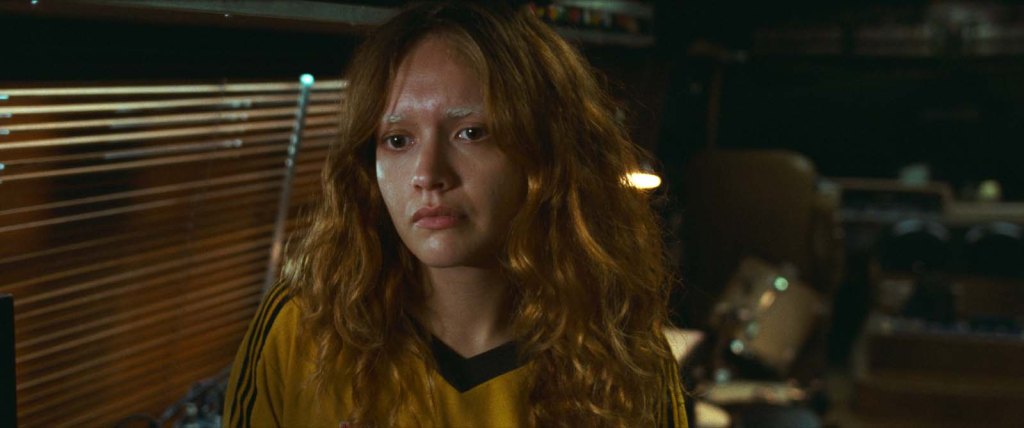
Before I get into everything else, I thought Lou was very underappreciated in this movie. “Sound of Metal” is absolutely the ‘Riz Ahmed Show,’ but Olivia Cooke’s performance as Lou was pretty heartbreaking; she had to figure out not only what was best for Ruben, but  also had to figure out what it meant for their band and for them as a couple. Although Ruben is the main character, I do not think this story would have happened, or happened the way it did, without Lou. 

I enjoyed this movie a lot. This was a very simple story and it conveyed all of the right emotions at the right times. There was not any point throughout that I was not fully engaged with the story and the characters because I just wanted to know “What’s next?” It is not an intricate or complicated story by any means, but it is just so unabashedly human and sympathetic that it is easy to lose yourself in the story. I will not spoil the end of the movie because I think it is best to just watch and enjoy it without knowing. But, by the end of the movie, I felt like I was on the same page with Ruben. After everything we saw him go through to get to where he is it feels like he made the right decision at the end of the film. One aspect I really loved about this movie is that I started off just watching it casually, but by the end I became so engrossed I felt like I was a part of Ruben’s journey. 

This movie is driven by its performances and all of them are very strong. I have talked about him a lot already, but Ahmed as Ruben is so great. He is not stoic. He is not calm. He is not okay. Ruben has this rare character trait where he has a reasonable reaction to all of the panic and uncertainty that happens to him. Not many characters that I know of from other shows or movies react to their story in a way that exemplifies what a human would feel in that situation and instead try to figure out how to move on. When Ruben realizes he really is deaf he has a scene in his RV with Lou that feels like I really am watching someone struggle. 

“I can’t hear you. I can’t ******* hear you. I’m ******* deaf.” Ruben says to Lou as he loses his grasp on what keeps him stable. As I am writing this review I realize now that Ruben approaches his new deafness through the five stages of grief similarly to the way someone deals with loss. He denies it, becomes angry, bargains with his people, becomes sad and finally just accepts himself in his own way. The movie is not saying being deaf is like dying, but in Ruben’s position as a drummer and someone who has needed and relied on their hearing, deafness was death. 
That Shelf

There is not too much else I can really talk about without giving the plot away. I think this movie is something that should be watched and enjoyed without knowing too much else plot-wise. Again, it is not at all a complicated story, it just feels better to see the story through. It is a very character-driven film and all of the characters are so engaging, you just want the best for everyone in any situation. This movie is a fantastic examination of what sound and the lack of sound can do for people and is now available on Amazon Prime. I left this movie having an appreciation for sounds, silence and communication through sign language and hopefully everyone else will too. “Sound of Metal” is very much worth the watch and I would say this movie was a solid “Excellent” on my scale. 

What’s Trending? — March 24

Arts & Entertainment

Jeriann Tripodi, Staff

Header image: Republic Records

Hailey Bieber opens up about marrying Justin Bieber at young age

Insider

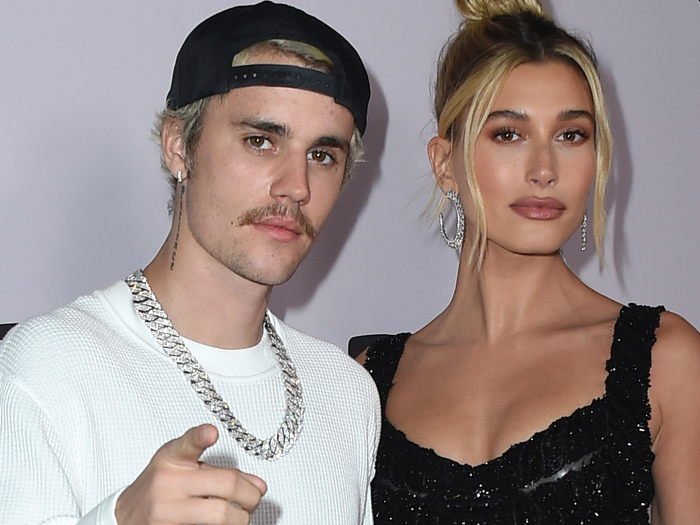
In a recent interview with Elle, Hailey Bieber shared the reality of what it was like for her to marry pop singer Justin Bieber at age 21. She shared that the first year of their marriage was difficult because she received harassment from his fans to the point where she had to turn off her public comments on Instagram. The supermodel also shared that although the pair, who were friends for years before dating, received criticism for marrying young, they both were experienced for their ages and knew what they wanted in life. 

Kylie Jenner receives backlash for asking fans to donate to makeup artist’s GoFundMe 

MEAWW

Media personality and socialite Kylie Jenner has received criticism after asking her followers to donate to her former makeup artist, Samuel Rauda, who needs money for medical expenses after being seriously injured in a car accident. Jenner, who has donated $5,000.00 to the cause herself, is receiving angry comments. These comments express how she should cover the entire cost herself since she is one of the world’s youngest billionaires. 

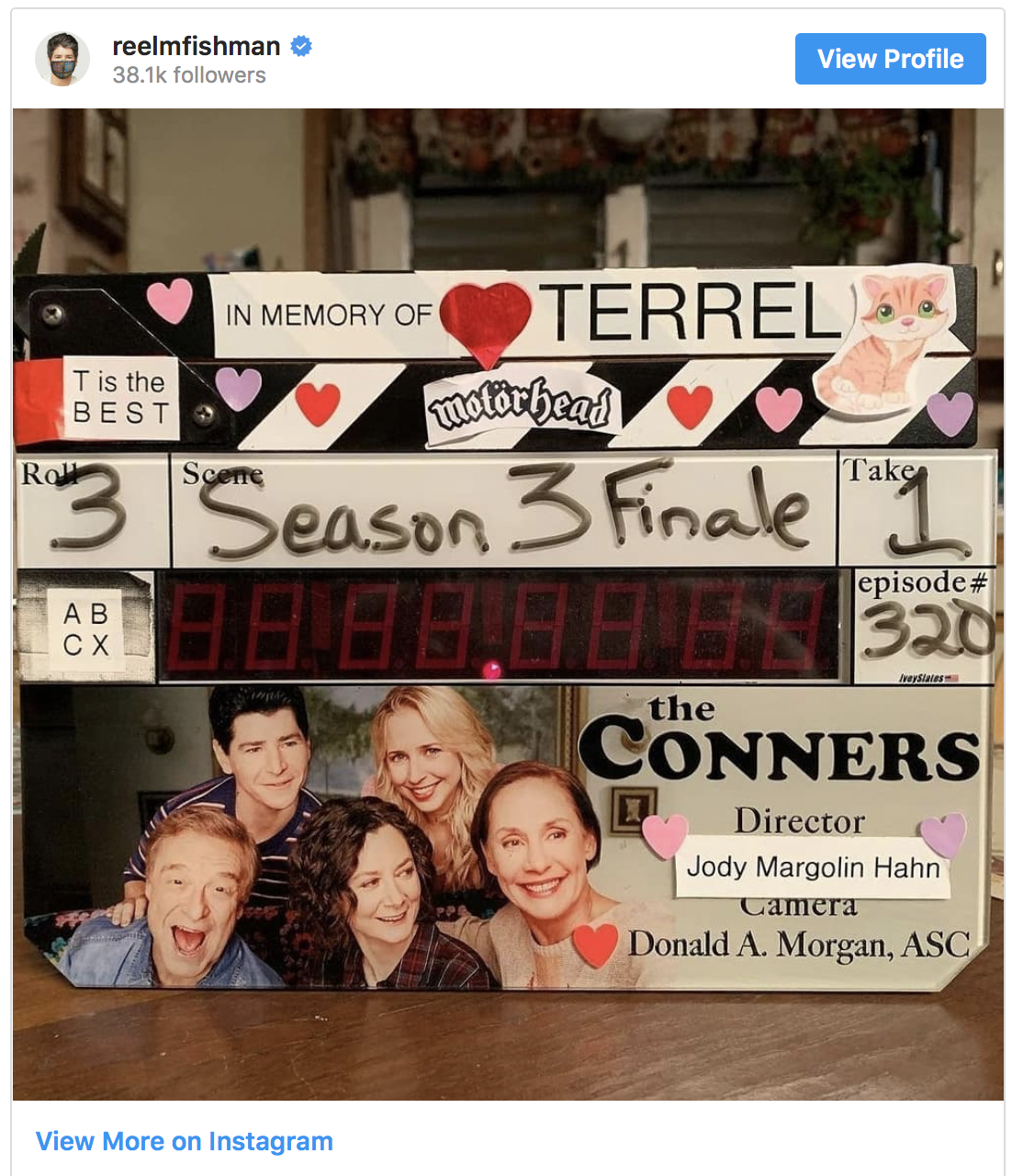
Crew member dies on the set of “The Conners”

../Desktop/Screen%20Shot%202021-03-22%20at%2011.20.17%20AM.png
@reelmfishman via Instagram

A man named Terrel Richmond died after suffering a sudden medical emergency while working as a technical crew member on the set of the ABC sitcom “The Conners.” Werner Entertainment issued a statement that expressed their condolences for the “much loved member of ‘The Conners’ and ‘Roseanne’ families,” who has been a crewmember for more than 25 years. The incident occurred as the “Roseanne” spinoff was finishing production on its third season. “The Conners” team paid tribute to their longtime friend.  

Official trailer is released for “Four Good Days”

Deadline

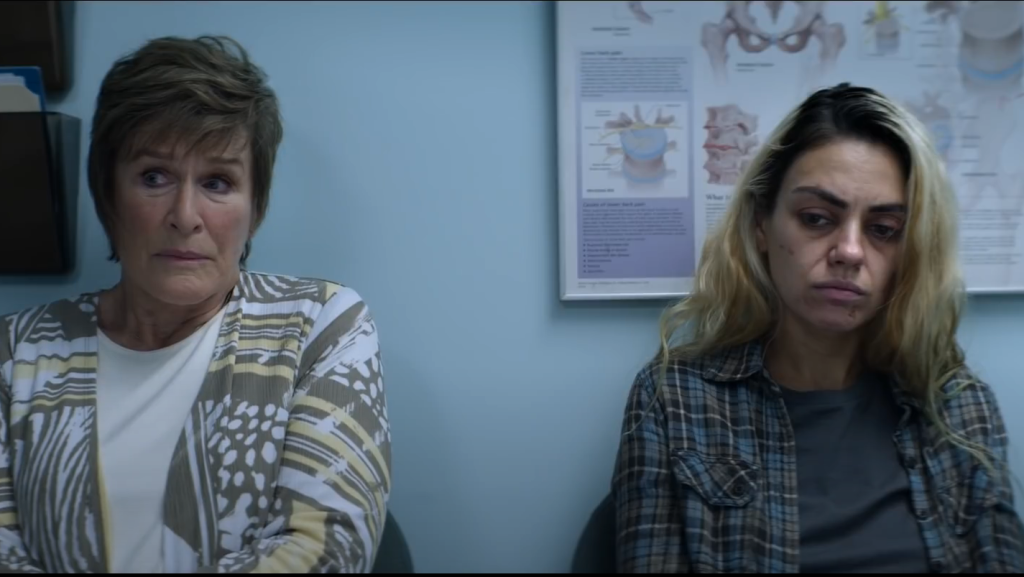
The first official trailer for the drama “Four Good Days” has been recently released. Starring Mila Kunis and Glenn Close, this emotional and eye-opening film follows the journey of 31-year-old Molly as she fights to overcome her drug addiction after many failed attempts. During the process, she reconnects with her mother who is determined to help her win the fight. “Four Good Days” is rated R and will be released to theaters on April 30.

Number one on the Billboard charts: week of March 20, 2021

Republic Records

According to “The Hot 100” on the charts, the number one song in the U.S. is “What’s Next” by Drake. This is the first week the rap/hip-hop song is on the charts. “Drivers License” by Olivia Rodrigo, which was previously the number one song for eight weeks straight, dropped to the fifth spot. According to the “Billboard 200,” the number one album in the U.S. is “Dangerous: The Double Album” by Morgan Wallen. The country album is at the top spot for the tenth week straight.

Out This Week: Academy Awards, incidentally invincible and happy hunting

Arts & Entertainment

Jakob Eiseman, Editor

Header image: Amazon Prime

“The Father” — VOD

Sony Pictures Classics

Nominated for six Academy Awards including Best Picture, “The Father” tells the story of an elderly man named Anthony, played by Anthony Hopkins (“Silence of the Lambs,” “Westworld,”) who refuses to accept the condition of his dementia. Despite the best efforts of his daughter Anne, played by Olivia Colman (“The Favourite,” “The Lobster,”) Anthony refuses to admit that he needs care and insists on living on his own in his apartment. Hopkins and Colman are both nominated for Academy Awards for their roles in “The Father.” Because of the subject matter of dementia, aging and mental illness, the film uses techniques to keep the viewers guessing at what is real and what is in Anthony’s mind. Because of COVID-19 restrictions, the film features a rather small cast, but, as it was adapted from a stage play, this does not majorly affect the plot. The film is written and directed by Florian Zeller, a French playwright, known for his play versions of “The Father” and “The Mother” as well as similarly named plays “The Son” and “The Lie.” The film was released for a small period in a limited capacity in late 2020 so as to qualify for the Academy Awards, but is being released to the public for a $20 rental on Friday, March 26.

“Invincible” — Amazon Prime

Amazon Prime Video

Amazon Prime received glowing reviews on its most recent venture into the superhero genre with “The Boys,” a live action series spoofing the “Justice League” that involved adult themes like abuse, torture, racism and political corruption. Now, Amazon is releasing their second superhero project, an animated series titled “Invincible” that is closely following the comic book series of the same name created by “Walking Dead” comic creator Robert Kirkman. “Invincible” follows a similar story to “Superman” and other classic comic book heroes except that it is rated R, features gore, intense violence and nudity. Mark Grayson, voiced by Steven Yeun (“The Walking Dead,” “Minari,”) son to the world’s greatest superhero Omni-Man, voiced by J. K. Simmons (“Whiplash,” “Spider-Man,”) gains his father’s superpowers at the age of 17 and begins fighting crime as a superhero alter-ego, Invincible. The “Invincible” comics are known for their subversion, dark plot details and grotesque fight scenes with copious amounts of blood that show what it would really look like to get punched by a superhero. The series, both comic and animated, follow the same story, meaning that within this first season, a radical plot twist will set up the events of the rest of the series. The first three episodes of “Invincible” will drop on Amazon Prime Video on Friday, March 26 with subsequent episodes releasing each week after.

Monster Hunter Rise — Nintendo Switch

Capcom

Monster Hunter Rise, the next entry in the 16-year-old “Monster Hunter” action franchise, which recently produced its first feature length film of the same name, will release this Friday, March 26 exclusively for the Nintendo Switch. Although there are rumors of a PC version releasing in 2022, this marks the return of “Monster Hunter” to handheld systems after 2017’s immensely popular Monster Hunter World which has sold over 21,000,000 copies to date on console and PC. Until Monster Hunter World, the series was always significantly more popular on handheld devices such as the PlayStation Portable or the Nintendo 3DS. Of course, a handheld release comes with toned down visuals and graphics, but Monster Hunter Rise offers a faster-paced style of combat and traversing the vast open lands than previous titles. It also presents a wide assortment of new creatures for players to hunt down alongside fan favorites like the fire-breathing dragon: the Rathalos. Monster Hunter Rise will release with a price tag of $59.99 and a special “Monster Hunter” themed Nintendo Switch console bundle for $369.99.

The iPad is harming our kids and they have no idea

Commentary

Elizabeth McLaughlin, Staff

I am twenty years old and still learning how to use technology. Sure, I’m pretty adept at all the basics: Microsoft Office, Adobe Creative Cloud, etc. I can even create (mediocre) animations on digital art software like Procreate. But I’m still — and likely always will be — learning how technology fits into my everyday life. I’m learning how to have a relationship with technology. I’m old enough to remember a time when social media didn’t exist. But I’m also not old enough to recall the days when computers weren’t woven into the very fabric of our daily lives. I’m positioned to have a relationship with technology that demands almost complete reliance, but not utter and perpetual immersion.

But the generations below me and my peers have been living in the heyday of social media since birth. My mom is a nanny and she has been with the same child for his entire life — seven years. I’ve gotten to see firsthand his introduction (at a very young age) to the iPad — and all the problems that ensued. I’ll preface this article by saying that I recognize the importance of and need for technology in our daily lives; I’m not longing for some pre-digital return to nature because I know it’s not possible. I’m simply noticing and reporting the detriments of constant exposure to technology.

The issues with childhood engagement with technology can be viewed from multiple angles. For one, it can interfere with their basic human functions, such as sleep. “Electronic stimulation has been shown to interfere with both falling and staying asleep,” according to Northwestern University’s parenting expert Katherine Lee. In fact, a study published by Pediatrics “found that children who sleep near a smartphone or another small-screen device get less sleep than kids who are not allowed to have these types of devices in their bedrooms.” If you’ve ever babysat a child, you know how hard it can be to get them to turn off the iPad. And if you’re trying to get them to turn it off because it’s bedtime? Good luck.

Jamie Grill/Getty Images

The average child is saturated with screen time every single day; their reliance on these devices has detrimental effects.

So it’s clear that the simple act of sitting in front of a screen can cause issues. But what about what’s on the screen? Any time anyone engages with technology, there are two parties involved: on one side of the screen, there’s a supercomputer pointed at your brain, trying to figure out the perfect next thing to show you. On the other side of the screen is our prefrontal cortex, which evolved millions of years ago to do its best job at goal articulation, goal retention, staying on task and self-discipline. This is true for all of us who have brains. But imagine it’s not you, it’s a seven-year-old, or a five-year-old, or even a two-year-old. At that age, I was playing with Lincoln Logs and American Girl Dolls — neither of which had supercomputer powers.

As a twenty-year-old, I’ve had time to learn how to differentiate information that benefits me from information that harms me. But kids haven’t had that time yet. In 2015, Aaron Mackey was a graduate fellow at Georgetown University Law Center’s Institute for Public Representation. He was part of a coalition that included the Campaign for a Commercial-Free Childhood and the Center for Digital Democracy. The coalition alleged that “it’s deceptive to tell kids that this [YouTube] is a safe product… Anyone, with just a little bit of searching, can find a lot of inappropriate content.”

Moreover, the infinite possibilities offered by YouTube can cause addiction. According to the American Addiction Center, those with higher addiction risk are unable to self-regulate, impulsive and lack a strong sense of moderation. YouTube’s recommendation algorithm doesn’t want you to self-regulate; it wants to regulate for you. Its algorithm wants you to impulsively click on whatever catches your eye because that’s how it builds a profile on you. Its algorithm rejects moderation in favor of saturation. And yet, we’re placing it in the tiny hands of our precious kids. Sleep issues, inappropriate content and addiction — the gamut doesn’t stop there; these are just three angles from which one can view the greater problem of technological saturation. Kids aren’t the only victims; everyone who engages with technology is susceptible to these ailments. But kids are the most unaware. They have no idea what any of the iPad implications are, but they are sincerely affected by them. They’re just kids and it’s our job to care for them. After having only scratched the surface on this topic, I’m questioning whether giving our kids iPads is a good idea. In fact, I know it’s a terrible idea — but we’re going to keep doing it. So how can we ensure that our kids don’t ruin their sleep schedule and develop an addictive personality while viewing inappropriate content online? I’m only twenty years old and I don’t plan on having kids for a while, but I sincerely hope I’m able to answer that question by then.

The overpromising and under-delivering of AstraZeneca

Business

Elizabeth McLaughlin, Staff

NBC News

Shares in AstraZeneca have dropped 8.1 percent in the last six months as the public loses confidence in the company’s COVID-19 vaccine.

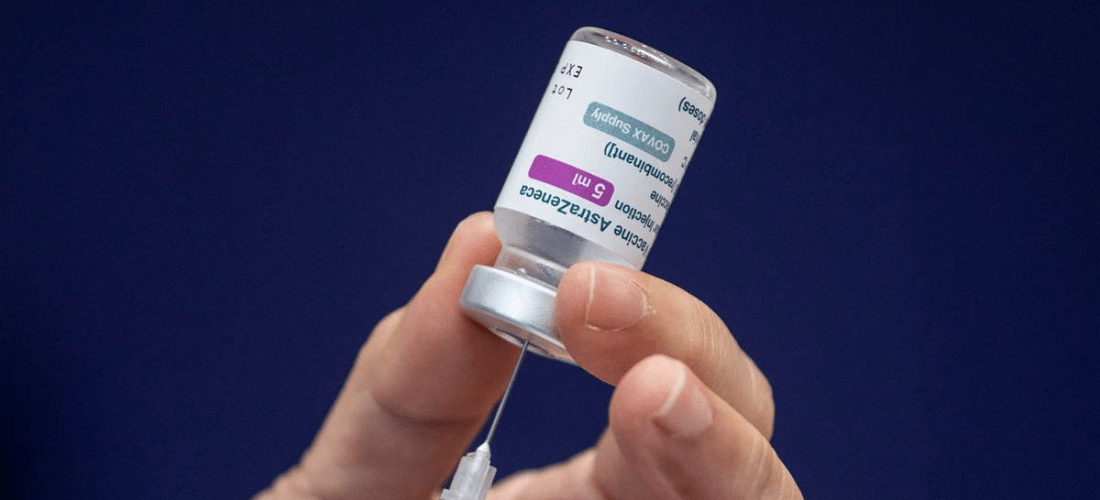
We are now over a year into the COVID-19 pandemic and millions across the world are beginning to feel a little more at ease as countries ramp up their vaccination efforts. Those in the U.S. are familiar with the Pfizer-BioNTech, Moderna and Johnson & Johnson vaccines. On Monday, AstraZeneca released results of a large U.S. trial, claiming that the vaccine was shown to be safe and 79 percent effective in preventing symptomatic disease.

Meanwhile, regulators in Denmark, Germany and Norway identified reports of serious or fatal blood clots among young people who had been administered the AstraZeneca vaccine. Although the number of reported cases is small, regulators argue that it is statistically significant; Germany halted the distribution of AstraZeneca’s vaccine and most other countries soon followed suit. New Zealand decided to donate its supply to countries in need, opting for the Pfizer-BioNTech shot instead. South Africa sold its AstraZeneca doses. Confidence in the company’s vaccine is dropping and so is their stock price.

Angela Merkel, chancellor of Germany, instituted a lockdown that will not be lifted until at least April 18. Germany’s DAX, the blue-chip stock market index comprising the thirty largest actively traded companies on the Frankfurt Stock Exchange, was down 0.1 percent as of Tuesday. On top of that, “yields are falling as investors look to bonds for safety,” according to Al Root via Barron’s. The 10-year U.S. treasury yield dropped to 1.63 percent Tuesday. 

Moreover, U.S.-listed shares of AstraZeneca dropped two percent in premarket trading; shares in London fell more than one percent. Overall, AstraZeneca shares have dropped 8.1 percent in the last six months, compared to the Zacks Large Cap Pharmaceuticals industry’s gain of 4.8 percent. Although confidence in AstraZeneca’s vaccine is low, some of the company’s other drugs could pick up the slack. Cancer drugs Lynparza, Tagrisso and Imfinzi, according to the Nasdaq analysts, “should keep driving revenues”.

In December 2020, analyst Jim Crumly wrote on The Motley Fool that AstraZeneca was “one of the most attractive buys in the industry at the moment.” A Morgan Stanley analyst predicted that AstraZeneca’s 2021 profit could increase by 30 percent because of their COVID-19 antibody medicine.

But just last week, the president of the European Commission, Ursula von der Leyen, stated that “AstraZeneca has unfortunately underproduced and underdelivered.” If that weren’t enough, on Tuesday, the National Institute of Allergy and Infectious Disease reported more concerns about AstraZeneca’s efficacy from its vaccine trial. More specifically, the Data and Safety Monitoring Board (DSMB) as an independent expert group, “wrote a rather harsh note to [AstraZeneca]… saying that in fact they felt that the data that was in the press release were somewhat outdated and might in fact be misleading a bit,” according to Dr. Anthony Fauci on Tuesday. Despite this, Fauci maintains that AstraZeneca has likely produced “a very good vaccine.”

Non-fungible tokens: the newest asset class utilizing blockchain technology

Business

Michael D’Angelo, Staff

nbcnews

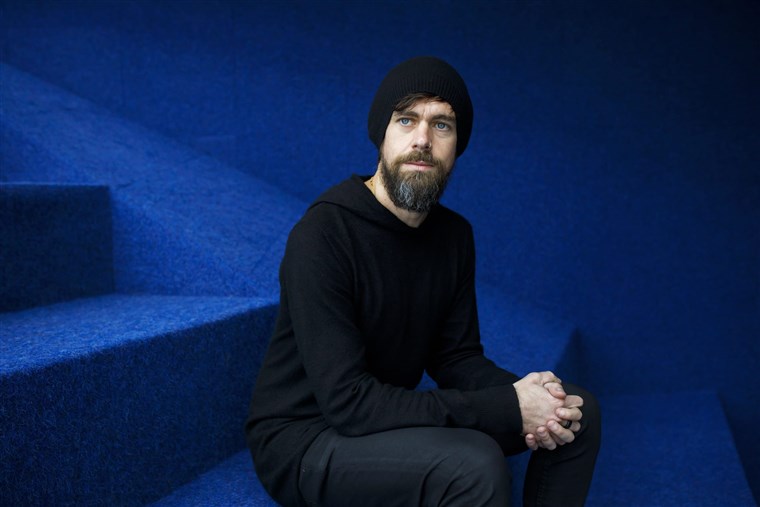
Twitter’s CEO, Jack Dorsey, recently sold his first ever tweet on the platform as a Non-Fungible-Token (NFT) for more than $2.9 million. Many investors are questioning if the digital assets are worth the buy.

Many people are jumping on the non-fungible token wagon recently and headlines are appearing with  regards to art gallery NFTs, NBA highlight NFTs and original tweet NFTs. This NFT fever has even reached several billionaire’s with Mark Cuban planning to build a digital art gallery made up of non-fungible tokens and Elon Musk offering to sell his infamous tweets. With the recent NFT craze, and big names dropping into the NFT scene, many investors are confused at best and are left pondering what exactly is an NFT. 

A non-fungible token is a digital asset which includes PDFs, jpegs (Joint Photographic Experts Group) and videos which can be bought and sold like a typical investment vehicle. NFTs first came around in 2017, but their appeal has shot up during the COVID-19 pandemic as many people are stuck at home and have turned their attention to alternative investments. 

NFTs are powered by blockchain technology, which is a digital ledger that records transactions and ownership across a network of computers. The NFT owner now has a token with claims to the original digital asset. Others may copy the image or see the video, but they do not own the original work. Essentially, it is the equivalent of holding a physical original. Think of the Mona Lisa and how millions of people have copied the print, but there is one original Mona Lisa. Many believe NFT value is derived simply by owning something others cannot own. They can be bought and sold on the internet at online marketplaces where you either bid on the item or buy at a set price. In addition, you can even use some of these marketplaces to create your own NFTs.

The craze is being fueled by high selling prices. A short video of a meme cat sold for more than $500,000, artist Beeple sold art for $69 million in a Christie’s auction sale, and Twitter’s CEO, Jack Dorsey, sold his first tweet for more than $2.9 million. A digital house even sold for $500,000. The NFT boom is also fueled by the recent rise in popularity of Bitcoin and other cryptocurrencies. Like NFTs, cryptocurrencies also utilize blockchain technology.

Non-fungible tokens have the potential to increase in value. Human nature lends itself to not miss out on things. We all have a fear of missing out and more headlines with million dollar selling prices will only lead to increasing value with the potential of a dangerous NFT bubble. 

Although NFTs may sound ludicrous in a sense, as I simply can just Google the image or YouTube search a sports highlight, NFTs have the potential to become an effective means of diversifying one’s art portfolio. People might want to buy the original digital version of the Mona Lisa if they can show it off to friends and family on social media, places our social lives are increasingly dependent on.

The globe experiences inequitable progress on COVID-19 vaccinations

Politics

Elizabeth Boyle, Staff

Michigan Health Lab
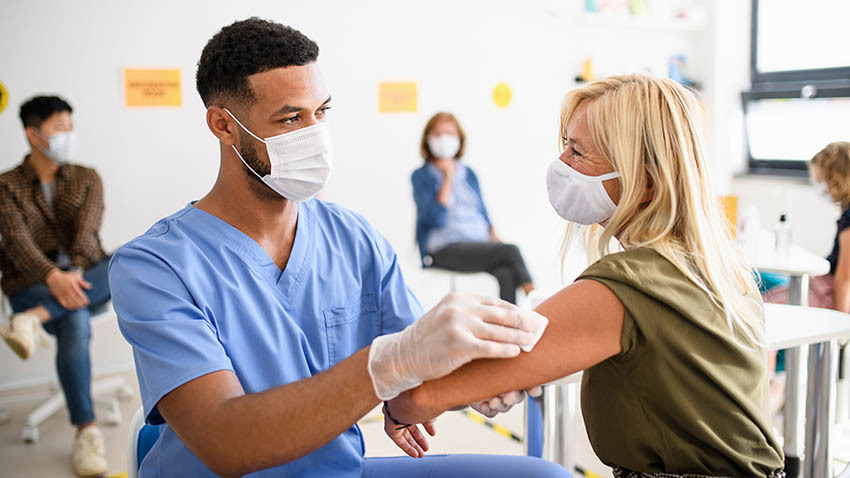
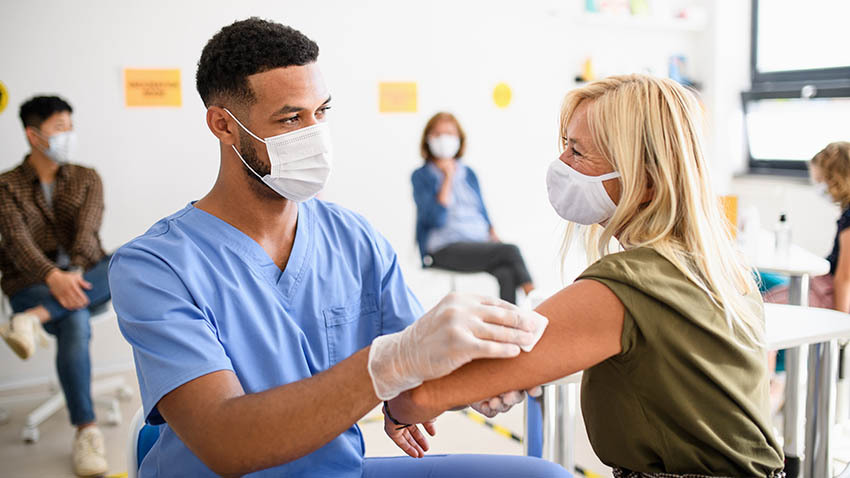
Image depicts a person being given a COVID-19 vaccination.

As the weather in Philadelphia finally starts to feel like spring, you may be thinking back to what you were doing last year at this time before the pandemic. A year ago this March was the beginning of the government shutdowns due to the COVID-19 pandemic. In one year multiple companies, including Moderna, Pfizer and Johnson and Johnson, have made and released COVID-19 vaccines approved by the FDA for emergency use. The various COVID-19 vaccines have been distributed first to those 65 years of age and older or those with underlying health concerns. Currently many states, such as Illinois, have made plans to start vaccinating everyone over 16 years of age as early as April 12. 

            Based on the number of vaccines produced and distributed, one would expect to see the world-wide number of COVID-19 cases decreasing. However, this is not the case in Europe. . Europe was one of the first places to have widespread deaths due to COVID-19, primarily in Italy. Recently the European Union (EU) vaccine distribution has been slower than expected, especially relative to Great Britain and the U.S., and positive cases of COVID-19 are rising. There are several potential reasons for Europe’s unexpected predicament. First, it took the EU longer to come together and sign an agreement with vaccine producers. The EU waited for all 27 member countries to come to an agreement about vaccine procurement, whereas other countries rushed into individual agreements to try and move along the process. A second reason is that Europeans have been more vaccine-skeptical than many other developed areas. Nature Medicine Journal published a survey of 19 countries that were asked how comfortable they were with receiving a COVID-19 vaccine that was “proven safe and effective.” China had the highest national response rate with 89 percent positive response compared to  the United States’ 75 percent. The European countries had much lower approval rates; for example, Germany had 65 percent approval and France had 56 percent. 

            For many European countries, an increase in positive COVID-19 cases seems like a step backwards. Conversely, the U.S., Britain (which left the E.U. in January 2020) and Israel are continuing to see an overall decrease in cases subsequent to an increase in vaccinations according to the New York Times, health agencies and hospitals.

La Salle Students and Philadelphians get vaccinated

Features

Kylie McGovern, Staff

Meghan Romano and Grace Gillespie ’22 after getting their COVID-19 vaccines at the FEMA site. 

On Wed. March 17, the city of Philadelphia opened a walk-up vaccine center at the Philadelphia convention center to 22 zip codes in Philadelphia. Eligible zip codes can be found here. These zip codes were considered undervaccinated. The walk-up vaccinations are open to those who meet phase 1a and 1b criteria and can prove that they live in the zip codes using an ID card, a piece of mail with an address or a PHL City ID. The City of Philadelphia and SEPTA are teaming up to offer free roundtrip transit passes for those in the targeted zip codes. The Federal Emergency Agency (FEMA) is running this vaccine site. This site has been administering the Pfizer vaccine, but will soon begin using the single dose Johnson and Johnson vaccine.  

La Salle University is included in these undervaccinated zip codes and some students were able to go to the FEMA site at the convention center and get vaccinated.  Meghan Romano headed to the convention center early one morning and said, “Waking up at 5 in the morning was so worth it to go downtown and get my first dose of the vaccine at the Convention Center. The whole process was quick and painless and I’m excited to get my second shot soon!” Billy O’Brien used his off-campus address at La Salle to get the vaccine. O’Brien said, “I’m a food service worker so that did put me in phase 1b of vaccine rollouts. In general, the experience was quick and easy. There was no line, I went in and got my vaccine and left in all of 25 minutes. The military and FEMA’s doing a great job in running the operation.” Justin Lai was also pleased with his experience getting his vaccine at the Convention Center, saying, “it was a lot more organized than I thought it would be. Everyone there was super nice and helpful and I was in and out in 20 minutes.”  

In addition to the site at the Convention Center, a new site has opened in South Philadelphia at the Grand Yesha Ballroom on the 2300 block of Snyder Avenue. This site has a goal of vaccinating 500 per day. The city also plans to open a second site in South Philadelphia soon. In addition, there are various  city-run mass vaccine clinics throughout the city as well. These efforts are moving Philadelphia towards a pre-pandemic life. 150,000 have been vaccinated so far and more will be soon with the continued implication of mass vaccine clinics all over the city. 

Biden and Gun Control

Politics

Kylie McGovern, Editor

PBS
Image depicts one of the many gun control protests within the United States.

On Tuesday, Jen Psaki, the White House press secretary, announced that President Joe Biden is considering an executive action involving gun control and the Second Amendment. In response to recent mass shootings in Boulder, CO and Atlanta, GA, Biden cannot “wait another minute, let alone an hour” to enact gun control legislation. Psaki says, “we are considering a range of levers, including working through legislation, including executive action.” 

Biden is encouraging Congress to ban assault weapons and to pass bills ensuring stricter background checks. President Biden says he “got that done as a senator. It brought down mass shootings, we can do it again. We can ban assault weapons and high-capacity magazines in this country once again.” On March 11, the Democratic-majority House of Representatives passed a bill regarding an expansion of background checks on all commercial guns. One of the two bills, H.R. 8, “establishes new background check requirements for firearm transfers between private parties (i.e., unlicensed individuals). Specifically, it prohibits a firearm transfer between private parties unless a licensed gun dealer, manufacturer or importer first takes possession of the firearm to conduct a background check. The prohibition does not apply to certain firearm transfers or exchanges, such as a gift between spouses in good faith.” This bill has bipartisan support and the final vote on the background check bill was 227-203 in the House. Eight Republicans supported the legislation. One Democrat voted against it. However, despite bipartisan support, similar bills have not passed in the Senate with bipartisan house support. The other bill would be in an effort to close various loopholes in the sale and purchase of guns. This bill revises background check requirements applicable to proposed firearm transfers from a federal firearms licensee (e.g., a licensed gun dealer) to an unlicensed person. Specifically, it increases the amount of time, from three business days to a minimum of 10 business days, that a federal firearms licensee must wait to receive a completed background check prior to transferring a firearm to an unlicensed person. (This type of transaction is often referred to as a default proceed transaction).

If a submitted background check remains incomplete after 10 business days, then the prospective purchaser may submit a petition for a final firearms eligibility determination. If an additional 10 days elapse without a final determination, then the federal firearms licensee may transfer the firearm to the prospective purchaser. It would close the “Charleston Loophole,” which allows some gun sales to go through before a required background check. This legislation is not passed and needs Senate approval, but this is the beginning of a process towards stricter gun control laws and therefore less gun violence in the United States. 

A year in retail

Commentary

James LeVan, Staff

Five years ago, a week before “Star Wars: The Force Awakens” arrived in theaters, I had taken a job in a local grocery store pushing carts in the evening. It was during the holiday season, a time when grocery stores and other retail businesses hired anyone with a pulse. Pushing carts wasn’t a bad gig overall. When the weather was warm and they were constructing the overpass near my work, I loved watching the sunset in the parking lot and listening to the banging of metal in the night air. The work was simple and pleasant. Since then, I have been a cashier, janitor, seafood rep (that lasted a week) and now a floater (a fancier term for stock boy). Being a floater has never been an easy job. It is not just stocking cans of corn on the shelf with a bunch of teenagers and college students. Retirees, teenagers, other college students, people looking for a second chance, parents even college graduates (a coworker who worked overnight stocking shelves had a degree in Business from Temple) work in retail. It has become a major source of employment for the educated and the uneducated, the skilled and the unskilled alike. Regardless of race or creed, what unites us is our frustration for our work and since the pandemic that frustration has only exasperated.

When the pandemic first hit a year ago, our shelves were quickly depleted the weekend Pennsylvania began to shut down. Our freezers became barren, most if not all of our meats were sold, and, of course, we ran out of toilet paper. By the end of the day Saturday of the first weekend of the pandemic, all we really had were Little Debbie products and some sparkling cider left over from Christmas 2019 (that stuff sells poorly, even in the middle of a pandemic). It is hard to believe it has been a year since COVID-19 first hit — those months of March to maybe June of 2020 feel both distant and recent to me. I tried keeping a log back in April, but many of my notes were mundane. I did not record all that happened at work and when I was not working, I was at home puttering around my house. The supply chain did not collapse, but it was under pressure that had not been seen before in the recent history of the United States. 

Courtesy of James LeVan

Pictured above is a frozen food aisle in early April 2020.

It was hard telling people who were desperate for toilet paper that we did not have any. I tried directing them to the nearest small corner store or family-owned chain (in the beginning they maintained a better supply than we did). When people would ask me when we would get more stuff in, I would shrug my shoulders and tell them I did not want to lie to them. Some people would accuse us of hoarding supplies and truth be told, we were not. Some coworkers bought a pack of toilet paper together and divided the rolls amongst themselves. For me, my parents had to drive out to the rural parts of PA to find ground beef and toilet paper. We had plenty of Lysol spray and wipes left over from when I had the flu a month earlier (an odd stroke of luck when I think about it). At the beginning of the pandemic, a coworker gave me a can of Lysol and I felt bad taking it, so I took it back to the shelf and explained that we had plenty of it at home, and it felt like I was hoarding. A woman quickly came and picked it up from me and said thank you.

In normal times, delivery trucks come in the early evening, and the overnight crew comes in around 8 p.m. to break it down. However, during the summer, trucks became infrequent. I remember one time I had to come in early (5 a.m.) to help overnight unload a truck that had gotten there an hour earlier. Sometimes we would not get a truck for a day or so and then multiple loads in one day. It really depended on the luck of the draw that day. One surprising phenomenon was that at one point, just so we had stuff, we got stacks of toilet paper and flour that were originally meant for hotels. But since no one was travelling, it made more sense for us to stock shelves with it. Things are semi-stable now, though we still end up running short on supplies depending on what they are.

On social media and television, we were praised for continuing to come into work. That we were in a way heroes for making sure communities had food and supplies. The media certainly thought we were awesome, and we had some customers thank us for what we were doing. However, I do not think people realize just how bad it got on some days. The fear that your coworker sitting across from you had COVID in the breakroom, to customers who would lose control and act like a child having a tantrum in a toy store. One moment that stands out in my mind was the time me and my manager had to go over to our beer garden because an older white man was screaming at a co-worker and an African American customer. When we asked what was wrong, the old man started screaming at our manager claiming that a Black man was following him around the store (he was not, we checked the cameras). He spent 20 minutes screaming at us, telling us about how his wife left him in the store alone, that he thought we were discriminating against him because he was white and not questioning the Black man, he was accusing of following him, that he had PTSD and that if he did not yell, he would get violent. I honestly thought I was going to have to fight this guy who was twice my size at that moment and that I was going to end up on the news. The guy tired himself out and then proceeded to leave and went about our business.

We who work at stores like Acme, Giant, Walmart and Target have been through Hell this last year. We have gone home crying, scared and exhausted. I have broken down in tears personally three times this past year. Many of us did not choose to continue working during this pandemic because we were brave or had a sense of duty. We did it because we had bills to pay and mouths to feed. Our work was not a breeze to begin with and the pandemic only exacerbated our problems. Grocery stores face issues of sexual harassment, disrespect and abuse from the communities we feed. The latter is still being felt now as we struggle to get vaccines and the latest attempt for a minimum wage increase died with Senator Sinema’s obnoxious thumbs down. It is important to remember that behind that mask, the cashier that sounds like a robot reciting the “thank you for shopping with us,” the women in health and beauty care and the guys stocking the shelves are all human and we are so tired.