Returning To Campus After Easter

News

Kylie McGovern, Editor 

On March 15, 2021, President Hanycz informed Explorers of the COVID-19 protocols after returning from a brief Easter break. There are no classes on Holy Thursday, April 1, and the University will be closed Good Friday, April 2 through Easter Monday on April 5. On Tuesday, April 6, La Salle will have a quiet period and conduct all classes remotely until Friday, April 9. This quiet period is meant to reduce the chance of transmissions by limiting interaction to households and pods. However, beginning on Tuesday, April 6, students with off-campus clinicals, practicums or internships may report to their respective sites. Residential students must return by Tuesday, April 6, and will be required to check-in with Residence Life staff. 

Student testing will also be conducted on Friday, April 9, and Saturday, April 10 at Treetops Cafe. This testing is mandatory for selected students. These students will be notified by Monday, April 5 to select a testing time. This surveillance testing is a safety measure to protect the La Salle community. In addition, normal testing will increase after Easter. Staff can take voluntary tests that the University is offering as well. 

Campus resources will be limited during the quiet period. La Salle Dining will offer to-go options only. Connelly Library will maintain restricted hours. Student Health will prioritize telehealth appointments. The Independence Blue Cross fitness center will be closed.

President Hanycz reassures Explorers that “We have come together in amazing and creative ways this year, most particularly this semester as we have experienced a very successful return to campus. I am confident in our planning and protocols, and I will continue to rely upon the cooperation of our students, faculty and staff to ensure La Salle University remains a safe place to live, learn and work.” 
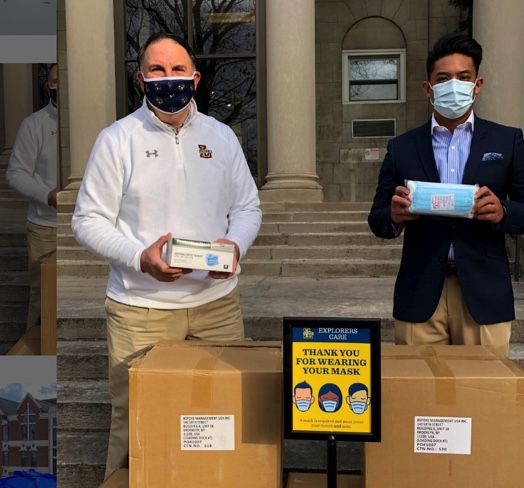
La Salle Community members masking up Instagram @lasalleuniv

mcgovernk8@lasalle.edu

Lifelong Philadelphian Announces Senate Campaign

News

Kylie McGovern, Editor     

  Kenyatta in front of childhood home.                           The Philadelphia Inquirer

On Feb. 18, 2021, Philadelphian Malcolm Kenyatta announced his campaign for United States Senate on MSNBC and via Twitter to help “working families.” Kenyatta currently represents these working families as a Pennsylvaniastate representative. But, in his travels throughout PA while campaigning for President Joe Biden, Kenyatta realized that his background is representative of many Pennsylvanians, not just those in North Philadelphia. 

Kenyatta grew up on Woodstock Street in North Philadelphia just a few minutes from La Salle University. “I’m North Philly through-and-through. I grew up here and never left. I believe that North Philly’s best days are ahead. We can make a difference and together we can unleash the possibilities for a better North Philly,” Kenyatta says.  Kenyatta worked his first job at a restaurant at age 12 to help his family pay bills. Kenyatta attended Philly public schools, Temple University and Drexel University. At Temple, Kenyatta studied Strategic Communication.  At Drexel, he studied Public Communication. While in college, Kenyatta led protests against Former Gov. Tom Corbett’s education cuts. His website says that Kenyatta “knows what it’s like to see eviction notices and work a minimum wage job — and knows firsthand the pain that Washington’s failures have inflicted on Pennsylvania.”  

Kenyatta’s fiancé, Matthew J Miller, describes Kenyatta as “being an empath, even to a fault. His policies are authentic reflections of his deepest personal tragedies and he is aware that his personal triumphs have not changed the odds for people with his working-class, Black, queer background. He says the same things in private to folks on our block as he would to a legislative committee. His commitment to remembering those real struggles is his superpower. And him remembering names. Gosh, he’s so good at that.” In speaking with Miller, one can learn that the campaign affects Kenyatta’s family as well. Miller explains that he is “still processing the campaign; virtual life has turned our home into an office and library for me but for him often a call center and mini-studio for his TV hits. It can be exciting but also [feel like] being in the middle of a whirlwind.” Kenyatta made history in his current position in the state government by being the first Black and LBQTQ+ person to be elected to this office. Kenyatta says, “This idea that Black folks can’t win statewide or progressives can’t win statewide or young people can’t win statewide, that’s based on no data. We’ve had very few run. So, it’s not about these labels of progressive or moderate. What people want is someone who will do something.” In addition, Kenyatta is one of the youngest members of the Pennsylvaniageneral assembly and would certainly be among very few senators in their thirties. 

                  mcgovernk8@lasalle.edu

Explorathon 2021

News

Kylie McGovern, Editor

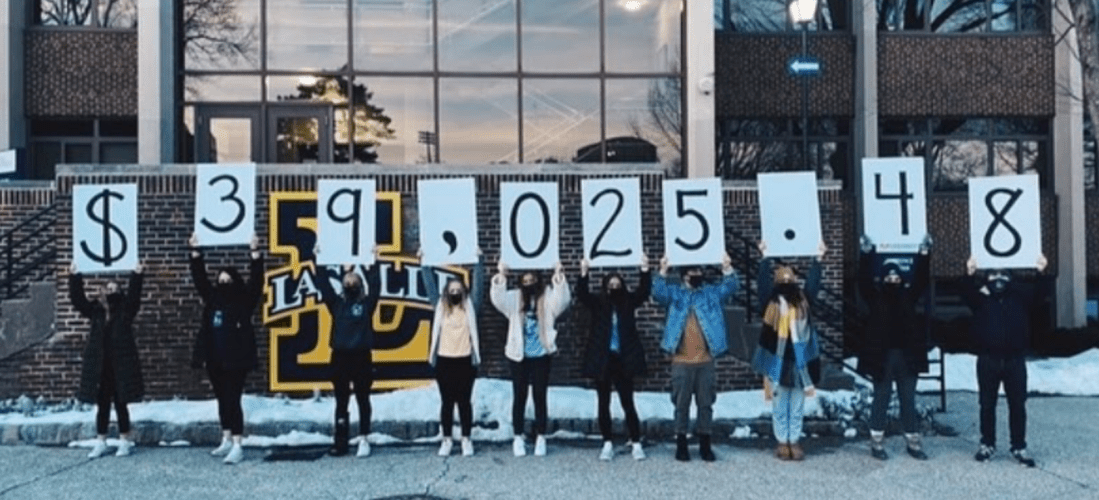
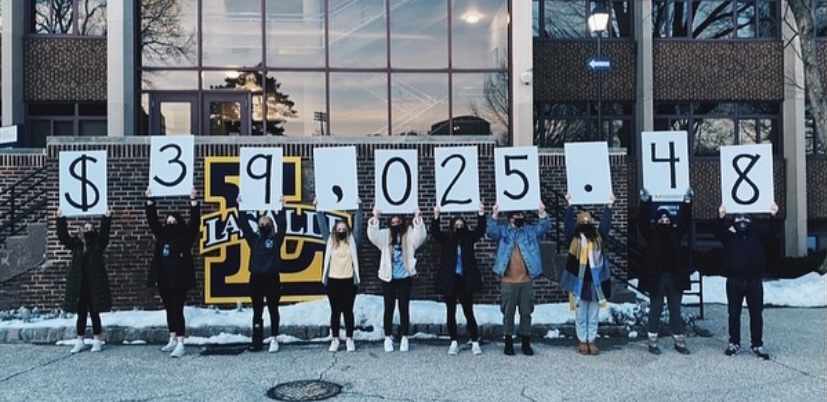
La Salle Students reveal Explorathon total                     Instagram, @lasalleexplorathon

On Feb. 22, La Salle hosted a virtual Explorathon event and raised over $39 thousand for the B+ Foundation. The event began with a Zoom meeting at noon and events on Instagram from @lasalleexplorathon. These events included a lip sync battle, raffle baskets, a social media fundraising challenge, dares in exchange for donations, musical performances, a performance by the La Salle dance team and stories from B+ families. The total was revealed at 5 p.m. via Instagram live. Freshman Emily Beals, dance team member, says, “it was super fun to get to dance with my team after all the time we spent practicing on Zoom and even better to be associated with a great organization like Explorathon!” These events on Instagram involved the student body and B+ families virtually in fun and COVID-19 safe ways. The Student Government Association, Honors Council and other clubs participated in the event as well. 

 Sophomore Mel Olimpio says, “This year obviously presented a lot of challenges and something we never could have anticipated. This year’s Explorathon started coming together during the start of the pandemic last Spring — and we weren’t sure if we would be able to navigate a dance marathon virtually. We also were not sure whether or not we could motivate the community to fundraise to the point of being able to surpass last year’s total. Although this year’s event couldn’t be in person, the La Salle community adapted well and continued to fight hard against childhood cancer. We were able to raise 70 percent more than we did last year — and reach a total of $39,025.48 that will all go towards families impacted by childhood cancer and childhood cancer research.” 

Gamma Phi Beta was the highest fundraising team; the women in Gamma Phi Beta raised $8,819 for B+ families. Alyssa Goodson was the top fundraising individual who says she is drawn to the cause “because you get to see a direct impact it has on the families and the kids. You hear their stories and it really is amazing knowing that you can make a lasting impact on them. Especially during this pandemic and many families losing their jobs, this is more crucial than ever. Also seeing the community of La Salle come together for one cause is really breathtaking as well.” Alpha Phi Delta was the highest fundraising fraternity. More fundraising winners are featured on Instagram. La Salle students are excited for next year’s event. 

mcgovernk8@lasalle.edu

SEPTA and COVID

News

Kylie McGovern, editor 

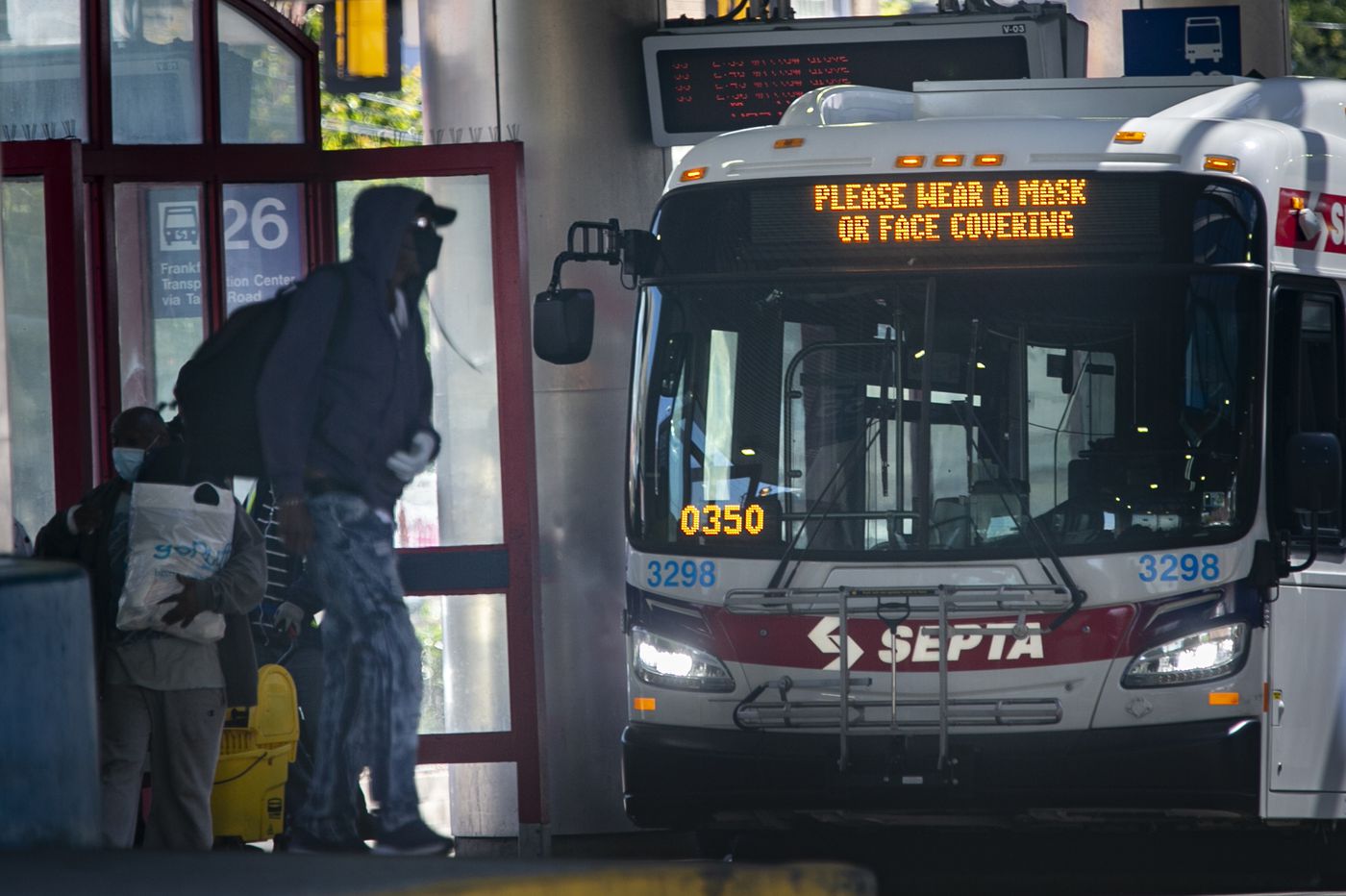
SEPTA bus with request to wear a mask                                             Philadelphia Inquirer 

The Southeastern Pennsylvania Transportation Authority (SEPTA) is planning to reopen five Regional Rail Ticket Offices in Feb. 2021 following their closures on Dec. 14, 2020. Despite these COVID-19 related closures, La Salle University students and Philadelphians alike have used other SEPTA transportation to commute to campus, run errands and explore the city. To ensure employee and rider safety SEPTA has precautions in place to slow the spread of COVID-19. These policies have been in place since June 4, 2020. 

SEPTA’s policy for COVID-19 is in accordance with the governor Tom Wolf’s guidelines and guidelines from the Center for Disease Control (CDC). Those riding SEPTA are required to wear a mask  and social distance. Vehicles also have capacity limits to further encourage social distancing. In addition, SEPTA has an app available on Android and iOS where customers can access route information. Operators comply with the limits by not stopping for additional passengers when capacities have been reached. In addition, SEPTA has recently offered a $100 incentive to their employees who receive the COVID-19 vaccine. Over the past months of the COVID-19 pandemic, several SEPTA employees have been exposed and infected with COVID-19. This effort to get employees vaccinated will keep SEPTA running and adequately staffed to ensure timely and frequent travel. 

Freshman Nick Radley used the subway system to travel from La Salle’s campus to Center City. When asked about his experience on the subway during the ongoing virus, Radley explained, “I didn’t see anybody not wearing masks and they had signs on every other seat encouraging people to social distance. None of the trains were overcrowded.” However, Radley also explained that he had not seen any “hard enforcement” of these rules. 

  Senior Christian Camacho has similar experiences to Radley. Camacho said, “I feel as though SEPTA  is doing the correct measures to keep students and people safe. No seats are authorized for two people to sit next to each other, each person has their own seat for their bag and themselves.” Camacho did notice that SEPTA employees seldom sanitize surfaces on the vehicles and when they do the cleaning is not thorough. However, Camacho was impressed by bus drivers only accepting a certain amount of people who are wearing masks on the bus before closing the doors. Like Radley, Camacho says he has not seen an overpacked bus. “Everyone wears their masks except for the homeless population, but even some buses have masks available for people,” Camacho observed.

     Overall, riding SEPTA has been a safe experience for La Salle students despite COVID-19. The precautions taken by SEPTA allow for students to travel comfortably throughout the area and commute to campus for class. 

mcgovernk8@lasalle.edu

Philly Fighting COVID Controversy

News

Kylie McGovern, Editor 

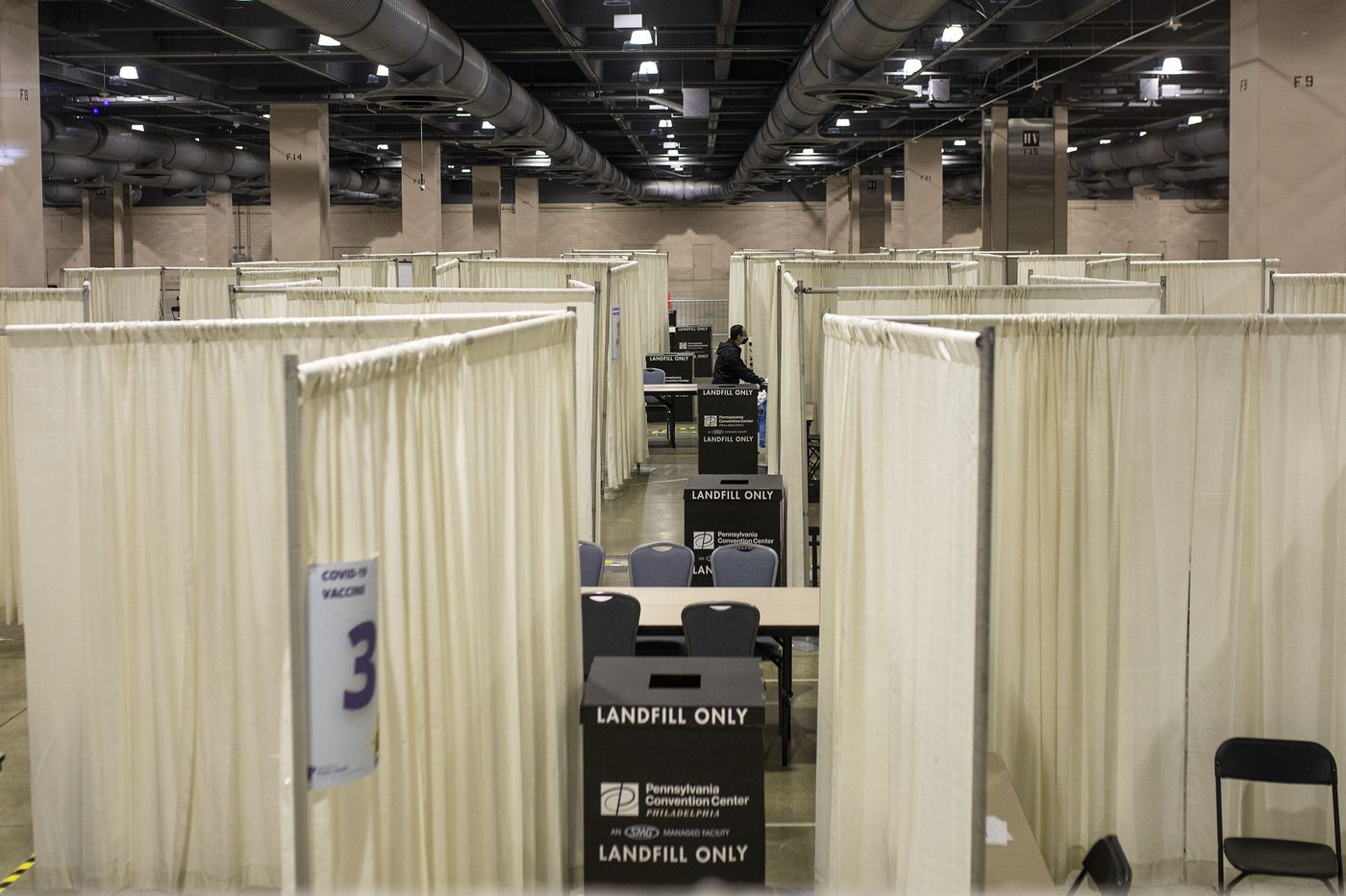
Vaccination Site The Philadelphia Inquirer

At the beginning of January 2021, Andrei Doroshin, a recent Drexel University graduate, began pioneering a vaccine center in Philadelphia and called it Philly Fighting COVID (PFC). Its website reads, “PFC opened the first mass community vaccination clinic in Philadelphia and is now the preeminent blueprint for mass clinic design and operations because it maximizes safety, efficiency, and patient privacy while administering more than 50x the daily vaccines that we administered during the H1N1 pandemic. Philly Fighting Covid (PFC) was founded in 2020 at the beginning of the COVID-19 Pandemic by a group of forward-thinking engineers and scientists who refused to stand idle…” However, this non-profit soon became a city-wide controversy.

Doroshin sent a photo via Snapchat of him taking home vaccine doses despite patients being turned away that same day. This photo circulated around to a near dozen people. 

Later, Doroshin admitted to taking home four vaccine doses for his friend and girlfriend. Soon,  Doroshin was also demanding for Health Commissioner Dr. Thomas Farley to resign, but Mayor Jim Kenney is standing behind Farley. 

The City of Philadelphia has since severed its ties with PFC and is planning a hearing. Council President Darrell Clarke wants to require the city to sign written contracts with vaccine partners from now on. The city’s office of inspector general is meanwhile examining whether Dr. Caroline Johnson, an acting deputy in the health department, unfairly gave Doroshin’s group, and another potential applicant, budget information that was not made public. As of now, it is unclear if Doroshin will face any criminal charges, Philadelphia District Attorney Larry Kraner and Pennsylvania Attorney General Josh Shapiro are looking into the investigation.  Shapiro said the allegations “are serious and any consumers who believe they have been misled should file a complaint with our office.” He continued, “Taking advantage of people and their privacy under the guise of serving as a nonprofit is not only unethical — it can also be against Pennsylvania law.” In addition to Doroshin taking vaccines, PFC started billing insurance companies for the vaccines, despite receiving them for free. Doroshin defended that decision as well, claiming that the donations the group was receiving were not enough to cover the costs of running the vaccination clinics. Despite the controversy, nearly 7,000 Philadelphians were vaccinated by PFC. mcgovernk8@lasalle.edu

La Salle’s COVID-19 Policy

News

Kylie McGovern, Editor

Header Image: WikiMedia Commons

Beginning Jan. 14, Explorers began moving on to campus with restrictions due to the COVID-19 pandemic. La Salle and other universities in Philadelphia will take steps to ensure the safety of those on campus this semester. Changes and new rules have been instituted regarding dining services, use of recreational facilities and walking around campus. All of these measures function within Pennsylvania’s ordinances for the pandemic, as well Philadelphia’s guidelines. 

La Salle Dining has increased their cleaning protocols in areas where food is prepared. All equipment utilized in cleaning and sanitation, including dishwashers, glass cleaners, chemical dispensers, etc. are checked multiple times for correct temperatures, concentrations and functionality to ensure cleanliness in the kitchen. The dining staff received hand hygiene training, an increased schedule of mandatory handwashing and instructions on the appropriate use of personal protective equipment (PPE) such as gloves. In addition, the dining services have provided students and guests with more handwashing stations, hand sanitizer, ‘no-touch’ service options, targeted signage and communication to promote hand hygiene. Signage, floor graphics and traffic flow patterns are in place to encourage social distancing. Where allowed, socially distanced seating areas are also established and maintained. In spaces with increased close contact and areas where social distancing is not always possible, the University has installed plexiglass as an enhanced layer of protection. In addition, the dining sidekick app is now in use. Students can use the app to place a mobile order rather than dining in person. In addition, more hours have been added to dining areas to promote social distancing. A Good Uncle food truck has also arrived on campus and is delivering orders placed through an app to drop off areas around campus. 

Currently, the only recreational offerings are on a reservation basis at the IBC Fitness Center on South Campus. The center is closed on Saturdays. To reserve a spot, students should visit www.imleagues.com and create an account. Students will then be able to reserve a spot to use the facilities. On the website, users must select the area(s) they wish to use and can only use those area(s) during their session. Club sports and intramural programs are not currently being offered.

As for around campus, face masks must be worn in all indoor settings on campus including classrooms, laboratories, common spaces in residence halls and apartment living, restrooms, dining halls and all other university buildings, including offices and the library. Face masks and physical distancing are required while walking throughout campus. 

mcgovernk8@lasalle.edu