Texas suing Meta over facial recognition technology

Business

Gibson McMonagle, Staff

Header Image: Forbes.com

Texas is seeking hundreds of billions of dollars in penalties due to Meta’s Facebook collecting facial recognition data. 

Facebook is falling into problems with the government again for violating privacy terms with their customers. Facebook’s parent company, Meta, is taking the heat due to selling data of people’s faces to third parties. The problem comes because they did not destroy the data in a timely manner. 

Facebook and Meta have both been using facial recognition for a while now to help support their programs. Meta has a budding virtual reality system and Facebook’s social media supports facial recognition to increase protection on accounts. 

One of the complaints in the files reads “Facebook repeatedly captured Texans’ biometric identifiers without their consent not hundreds, or thousands or millions of times — but billions of times, all in violation of CUBI and the DTPA.” CUBI is the Capture or Use of a Biometric Identifier Act. This act requires privacy for participants using the technology. DTPA stands for the Deceptive Trade Practices Act. Facebook is being accused of violating this act by selling data captured from the users of their products. 

What is interesting about this lawsuit is that Facebook shut down its facial recognition feature in November. They wanted to weigh the positives of using it while also thinking about the growing concerns of holding users’ data. 

Not too long ago, Facebook was in a major lawsuit for how they handled the data that they have been collecting. The previous lawsuit had Facebook paying $650 million for not informing their users of the data they were collecting. 

Texas Attorney General Ken Paxton states, “Facebook will no longer take advantage of people and their children with the intent to turn a profit at the expense of one’s safety and well-being.” Texas is in full swing to stop “yet another of Big Tech’s deceitful business practices,” said Paxton.

Right after the lawsuit was announced, Meta stated that they would delete the data of over one billion users. The company seems to be fully prepared to deal with the lawsuit and plans to fight against the claims made against them. Not many states have been focusing on biometric privacy, and now Texas is stepping into the ring on this problematic feature.

Virgin Galactic stock surges as reservations open for space travel 

Business

Jason Ryan, Staff

Header Image: BARRON’s

Virgin Galactic Stock jumps almost 30 percent as spaceflight ticket sales open Wednesday that require a $150,000 deposit. 

Space tourism company Virgin Galactic is getting closer and closer to commercial operations. The company announced Tuesday that it will open ticket sales to the public for the first time on Wednesday. This announcement should excite aspiring astronauts and thrill-seeking investors. 

For the soon-to-be astronauts that are seeking passage to space, the process is as simple as going to virgingalactic.com and starting the application. To book a reservation spot, Virgin Galactic requires a $150,000 deposit, so those interested will have to put a pretty penny into the experience.

Additionally, Virgin Galactic ticket prices start at $450,000 each. The company revealed, last year, three different sales offerings: a single seat purchase, packaged seats for couples, friends or family or opportunities to book entire flights. The company has said previously that, of the $150,000 deposit, $25,000 is nonrefundable. 

These flights consist of a 90-minute journey, including the launch and boost into space. Virgin Galactic also states, however, they are only going to sign up 1,000 customers on board to start its commercial service later in 2022.

As for investors, shares of Virgin Galactic stock jumped almost 30 percent in trading to $10.56 by midday. The stock has been beaten over the past 12 months, dropping 80 percent, with the company having delayed the beginning of commercial space flights to late this year. The S&P 500 Index and the Dow Jones Industrial Average percent were up 1.2 percent and 1.1 percent, respectively.

The stock is jumping because the start of commercial operations has been a long time coming. To explain, numerous delays due to spacecraft testing sent shares plummeting shortly after they soared, just around the time the company sent founder Sir. Richard Branson into space. 

This is certainly positive news for the company. Until now, Virgin Galactic has essentially been a pre-revenue business, and 1,000 customers paying $450,000 each in 2022 translates into $450 million of actual revenue for the business. Moreover, Tuesday’s announcement can be considered a relief for investors. It is estimated that just the deposits themselves will generate about $150 million in working capital for the company. 

It will be interesting to see how Virgin Galactic’s stock price acts in the coming weeks as more and more people participate in the hype of open reservations for commercial space travel.

Omicron variant: Stocks rebound after plunge

Business

Jason Ryan, Staff

Header Image: New York Times

The stock market rebounds after the temporary plunge as investors assess the economic risk from the new Omicron Variant of COVID-19. 

Confirmed cases of the new Omicron coronavirus variant have on Friday continued to grow around the world, triggering the discovery as a strain on many countries to try and seal themselves off by imposing travel restrictions, while also sending stocks tumbling and causing oil prices to fall.

That being said, stocks have made a comeback Monday, bouncing back from the steep selloff last Friday where investors feared the Omicron COVID variant would disrupt the global economic rebound. Reports of the new Omicron variant of the coronavirus brought back memories of last summer when the fast-spreading Delta variant put a major dent in the recovery of the stock market. This discovery spooked investors on a traditionally quiet day in the market following Thanksgiving, leading to one of the worst days for stocks this year.

The most powerful lift for stocks came from those that have been able to grow strongly almost regardless of the economy’s strength or pandemic’s pall. Gains for five big tech-oriented stocks — Microsoft, Tesla, Apple, Amazon and Nvidia — which alone accounted for more than a third of the S&P 500’s rise. The gains for tech-oriented stocks also helped to drive the Nasdaq composite up a market-leading 1.9 percent.

The S&P 500 rose 1.3 percent to recover more than half of its drop from Friday, which was its worst since February. Treasury bond yields, which fell Friday as investors were gunning for safety, reversed course and rose Monday. In particular, the 10-year U.S. government bond yielded 1.52 percent when the New York Stock Exchange closed.

Travel-related stocks started the day Monday with gains but fell back as more caution filtered into the market and as travel restrictions around the world remained in force. They closed mixed after President Joe Biden said he was not considering a widespread U.S. lockdown. He stated the variant was a cause for concern and “not a cause for panic.” That being said, Delta Air Lines and American Airlines closed slightly lower, while cruise line operators Carnival and Norwegian Cruise Lines actually notched gains.

While the market has steadied itself, uneasiness still hangs over it due to the discovery of the variant, as the virus appears to spread more easily, and countries around the world have put up barriers to travel in hopes of slowing it. Still to be seen is how effective currently available vaccines are for the variant, and how long it may take to develop new Omicron-specific vaccines. It is evident that the Omicron variant is hitting markets less hard than other COVID variants, but just as the market quickly bounced back from its Delta fears, history appears to be repeating itself: investors are taking a breath and sensing a buying opportunity.

       Ryanj21@lasalle.edu

U.S. hits 30-year inflation high; how it affects consumer spending

Business

Jason Ryan, Staff

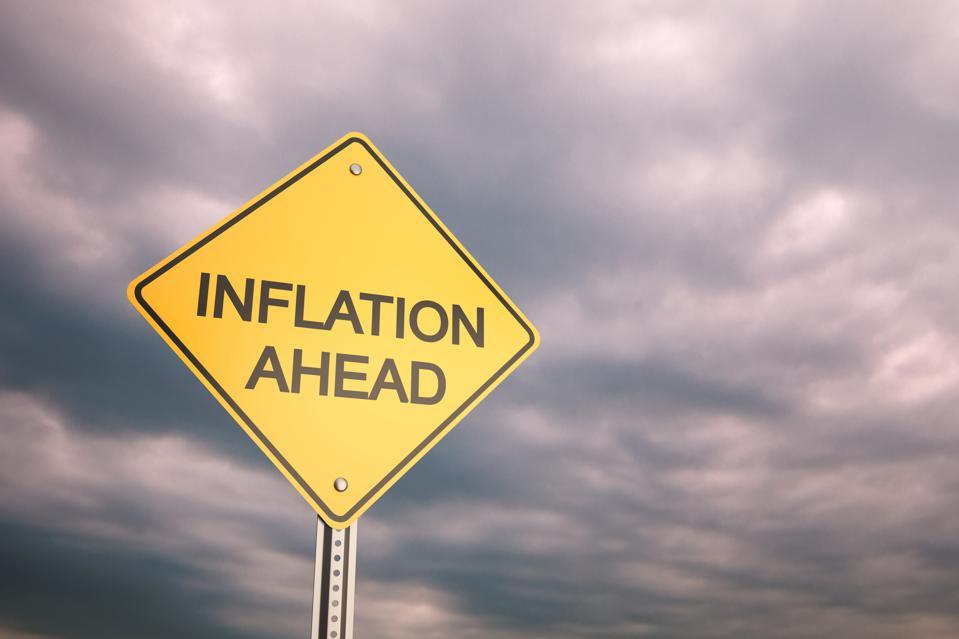
Buckle Up: 3 Reasons Why Inflation Is Rising

Americans are paying more for consumer goods during the biggest surge in U.S. inflation in more than 30 years.

Header Image: Forbes

Americans across the country are seeing higher prices at grocery stores and gas stations, causing  even more pain for their wallets and pocketbooks right as the holiday shopping season is set to commence. 

Data released by the Labor Department earlier this week indicates inflation has risen at its highest rate in over three decades. Consumer prices soared by 6.2 percent compared to the same period last year. This is the biggest one-year jump seen in the government’s consumer price index since 1990.

The increase in prices is surpassing wage gains and forcing Americans to dedicate a bigger share of their income to necessities such as food and gas. In particular, according to the Bureau of Labor Statistics data: meat, chicken, dairy, eggs, sugar and coffee are among the products that have seen especially large price gains in the past year. 

Additionally, in the past year, energy costs have jumped a stunning 30 percent, with gasoline soaring by nearly 50 percent. A gallon of gas, on average, was $3.42 nationwide on Tuesday, according to AAA — up from $2.11 a year ago. The energy index climbed by some 4.8 percent last month alone and the gasoline index gained 6.1 percent. This marks the fifth consecutive monthly increase in gasoline prices.

Prices for natural gas and heating oil are also on the rise. For instance, the Energy Information Administration has predicted that Americans could spend up to 30 percent more on natural gas and 43 percent more on heating oil this coming winter. 

Economists predict high inflation will subside sometime next year once the widespread shortages of supply and labor begin to ease, but it’s very unclear how much or how quickly price pressures will fade. In the meantime, inflation will continue to eat up American households in terms of consumer spending. 

Coke pays $5.6 billion for control of BodyArmor

Business

Gibson McMonagle, Staff

PepsiCo Outpaces Coca-Cola 3-to-1 in Sports Drink | PYMNTS.com

PYMNTS

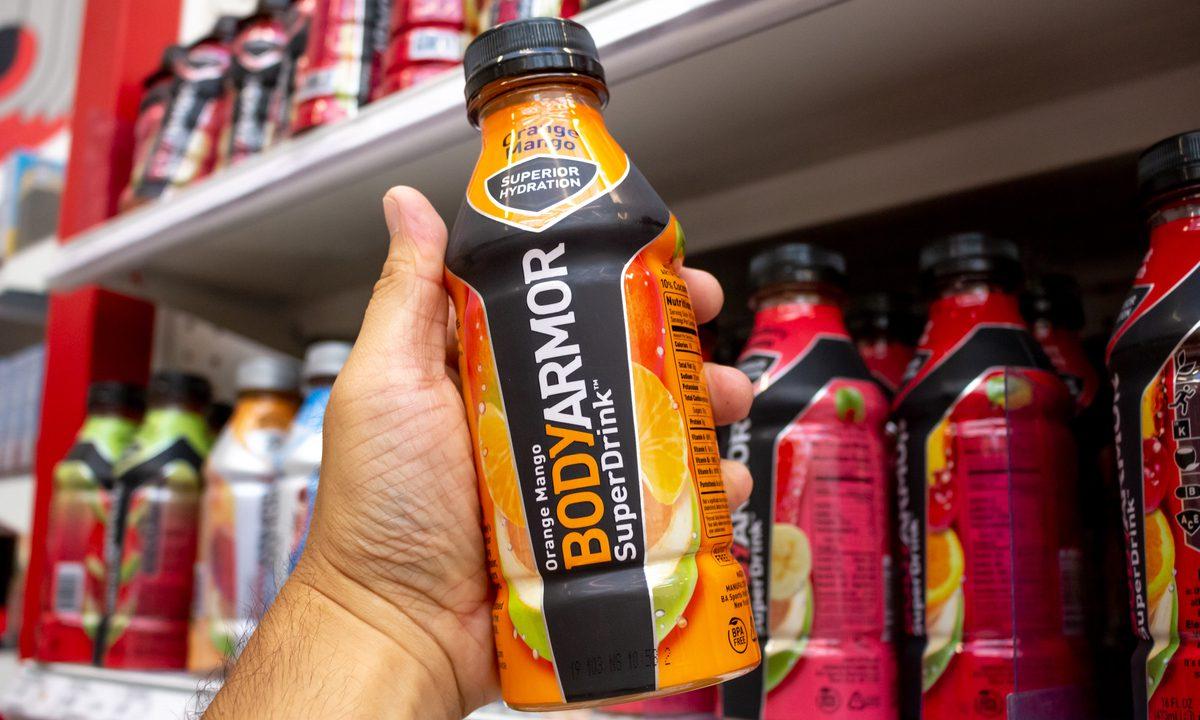
After Coke’s initial investment in the startup company BodyArmor, they decided to take full control with a $5.6 billion buyout. 

Prior to this week, the Coca-Cola Company owned 15 percent of BodyArmor. One of the leading rivals to Gatorade, BodyArmor was a startup company that began in 2011. The company promotes their drink to contain natural flavors and sweeteners with no colors from artificial sources. Their first big investor was Kobe Bryant in 2013. He paved the way for more athletes like James Harden and Mike Trout to help support the small company grow larger. Starting in 2018, the Coca-Cola Company became their second largest investor behind the creator of BodyArmor Mike Repole. 

On top of BodyArmor having their original sports drink, they also introduced BodyArmor Lyte. This drink is said to have the same nutrients of a regular bottle of BodyArmor but has only 20 calories and two grams of sugar per bottle. They also have released BodyArmor Sports water. This drink was said to be created for those who have an active lifestyle with a performance pH of 9+ and electrolytes for exercise. These two drinks plus the original BodyArmor sports drink allowed for high sales throughout the year. 

It is now being announced that the Coca-Cola Company is fully buying BodyArmor for $5.6 billion. This company went from a small startup to a multibillion-dollar company within 10 years. For context, Kobe Bryant initially invested $6 million back in 2013, and his investment today is worth over $400 million.  

Coke’s biggest rival, Pepsi, has been dominating the sports drink market due to Pepsi owning Gatorade. Gatorade in the past year had a 64 percent market share of U.S. sports drinks according to the Wall Street Journal. BodyArmor had 18 percent of sales, and Powerade had 13 percent. Coca-Cola now owns both Powerade and BodyArmor. 

Coke is always trying to increase their product line to compete with Pepsi. They are trying to challenge Gatorade with the purchase of BodyArmor. An editor of Beverage Digest, Duane Stanford, states, “Coke can try to sandwich Gatorade between BodyArmor, a more premium brand, and Powerade, which is more of a value brand.” 

The purchase of BodyArmor, in addition to their already owned brands like Powerade, Dasani water and Gold Peak tea brings a different strategy for Coke. They no longer have to be reliant on just the sodas they own like Fanta, Sprite and their very own Coca-Cola. They have branched off to other drinks, expanding their product line — this to compete with their largest competitor, PepsiCo.

Shiba Inu gets in top 10 cryptocurrencies, surpasses dogecoin

Business

Jason Ryan, Staff

Dogecoin struggles to keep pace with shiba inu's record-breaking surge even  as Elon Musk boosts his favorite cryptocurrency | Currency News | Financial  and Business News | Markets Insider

Market Insider

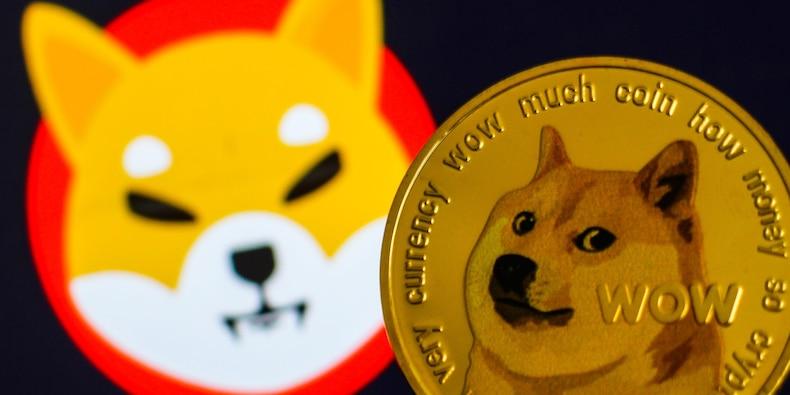
Digital cryptocurrency token Shiba Inu has jumped into the top 10 most valuable digital assets by market value, surpassing its inspiration, Dogecoin. 

The recent trading frenzy over a digital token called Shiba Inu — commonly promoted as a “meme” or joke coin in the crypto world — has jumped the canine-themed cryptocurrency into the top 10 most valuable digital assets by market value, hitting over $39 billion and surpassing its cousin and apparent inspiration, Dogecoin.

Since Wednesday, both Dogecoin and Shiba have frequently swapped places in the rankings, competing in what many would call a rivalry between the two. In fact, the Shiba Inu community actually refers to the crypto token as the “Dogecoin killer”.

As of Monday afternoon, Dogecoin, which was launched in 2013 as a joke, ranks No. 10 in cryptocurrencies with a market value of over $35 billion, according to CoinGecko.  Likewise, Shiba Inu, which launched in 2020 to poke fun at dogecoin, now ranks at No. 9 with a market value of over $39 billion. Shiba Inu hit an all-time high of $0.00008990 this past Monday.

Moreover, Shiba is up another 10 percent at midday this past Monday after its leap last week which had more than doubled in value. With this, most of that gain came in a flurry of trading last Wednesday, when it gained a whopping 66 percent. Besides, Shibu is in fact up about 900 percent in the past month.

Each Shiba coin costs just a tiny fraction of one cent; however, to put in simpler terms: if you were to have bought $1,000 worth of Shiba Inu in late September, your value of 20 million coins would now be worth around $9,000.

Both Shiba’s and Dogecoin’s growth can be largely credited to supporters hyping them up. It is the power of the people who are intensifying them that drives the performance of the coin a lot of the time, including celebrity supporters like billionaire Elon Musk, CEO of SpaceX and Tesla. Musk often tweets about different cryptocurrencies, and in doing so, has seemingly impacted their prices.

For example, a few times throughout 2021, Shiba has appeared to leap after Musk repeatedly posted images of his Shiba Inu puppy on Twitter; however, interestingly enough, on Oct. 24, Musk did clarify that he does not own any Shiba Inu tokens and that he only owns bitcoin, etherium and Dogecoin.

Overall, the current surge in Shiba Inu can be seen as very much community-driven, and it is clear to see any token or coin out there has the opportunity to run up like this if someone with a big microphone is amplifying it — case in point is Shiba Inu. Created in August 2020, it  has taken less than two years to become a contender for a top 10 cryptocurrency spot.    

U.S. set for highest Halloween spending in five years

Business

Jason Ryan, Staff

  Header Image: USA Today

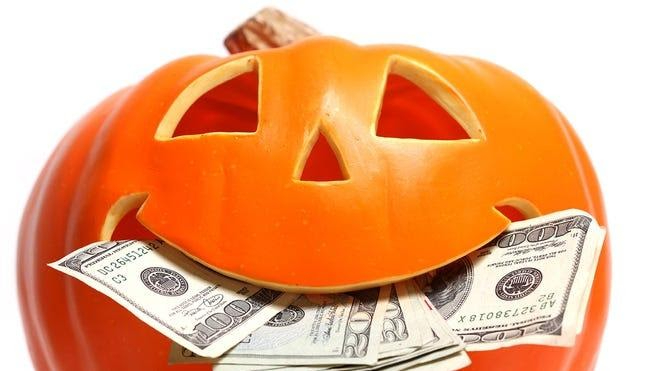
Despite ongoing pandemic concerns, U.S. consumer spending on Halloween is set to be higher than ever within the past five years. 

An estimated two thirds or 65 percent of Americans intend to celebrate Halloween or participate in Halloween activities this year, up from 58 percent in 2020 and more comparable with 68 percent in 2019 before the COVID-19 pandemic. This trend demonstrates that Halloween is back on the schedule this year and plenty of Americans want trick-or-treaters, decorations and new costumes. 

According to research from the National Retail Federation, U.S. consumer seasonal spending this year is forecasted to be $10.14 billion, up from $8.05 billion last year in 2020, $8.78 billion in 2019, $8.97 billion in 2018 and $9.09 billion in 2017. The top ways consumers are planning to celebrate the holiday include handing out candy (66 percent), decorating their home or yard (52 percent), dressing in costumes (46 percent), carving a pumpkin (44 percent) and hosting or attending a party (25 percent). 

The association’s annual survey was carried out on its behalf by Prosper Insights and Analytics and analyzed celebration plans. Its findings presented 93 percent of millennial parents would be seeking to go all out for the holiday, particularly after last year in which many celebrations were restricted amid the pandemic; however, caution has been urged by health authorities, with the U.S. having the highest death toll from the pandemic in the world, with over 750,000 lost to Covid-19 since the start of the crisis that began early last year.

With more Americans celebrating Halloween this year, average spending is also up. For example, on average, consumers plan to spend $102.74 on costumes, candy, decorations and greeting cards – $10 more than what was planned last year. In addition, households with children are estimated to spend more than twice the amount than households without children ($149.69 compared with $73.57) this Halloween holiday. Likewise, the number of Americans planning to decorate for Halloween differentiates with last year’s spike in interest, with spending on decorations forecasted to climb to $3.17 billion, up from last year’s $2.59 billion. Total spending on costumes is the highest it has been since 2017 at $3.10 billion.

Of those planning to dress up for Halloween, nearly 69 percent of adults already know what their costume will be this year. More than 4.6 million adults plan to dress like a witch, more than 1.6 million as a vampire, more than 1.4 million as a ghost, more than 1.1 million as a cat and another 1.1 million as a pirate. Notably, more than 1.8 million children plan to dress as Spiderman, more than 1.6 million as their favorite princess, more than 1.2 million as Batman and more than 1.2 million will dress as one of their other favorite superheroes. All in all, it is very apparent that Halloween forecasts this year prove Americans want to spend way more on trick-or-treaters, decorations and new costumes.

       ryanj21@lasalle.edu

$1 Billion recovered in Ponzi scheme

Business

Nathan Kolb, Staff

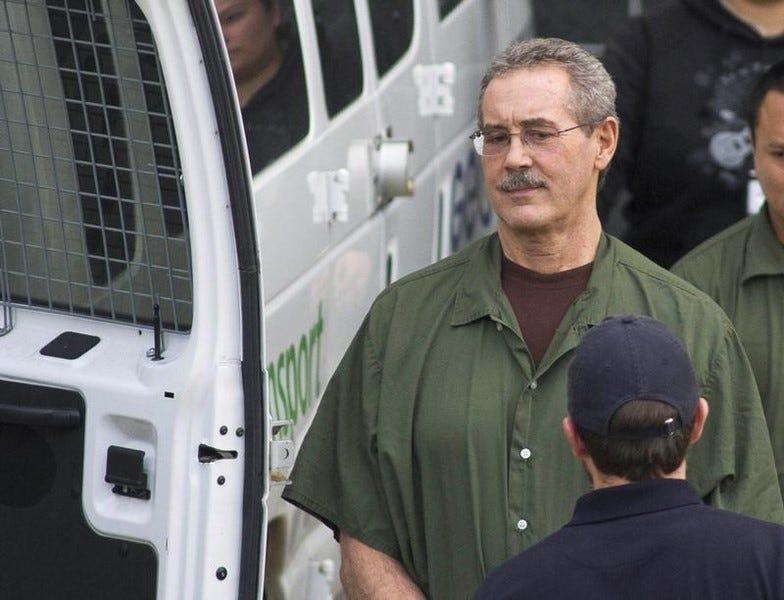
Allen Stanford

Source: Business Insider

Robert Allen Stanford, a name that would rise to infamy, was born in Mexia, Texas on March 24, 1950. As a youth, Stanford once made $400 to clear an area of land for real estate developers and in exchange, he received cutdown trees that he could sell as firewood. After graduating from Baylor University, Stanford worked for Stanford Financial, a company that his grandfather founded as a salesman and bookkeeper. Stanford, with his talents in finding opportunities, transformed Stanford Financial into a multi-billion-dollar company owning $51 billion in investments. During the 1983 Texas oil bubble burst, Stanford traveled to Latin America and later set up shop in Antigua. Similar to all wealthy and successful people, Allen Stanford explored lobbying in the realm of politics; two lawmakers, Bob Ney and Tom DeLay, resigned as a result of his lobbying. It can be argued that his time in Antigua may have been the most successful years for him. Stanford led an extraordinary life which would eventually catch up with him.

After years of legitimacy, Allen Stanford went the unsavory route of scamming innocent people. Stanford’s plan was simple: tell investors that investing with him will lead to no risk and high returns and support it with a believable story. To hide his fraud, Stanford sent out fake financial reports. Stanford’s investors’ investments included securities such as certificates of deposits with interest rates double the average rate of the market. The average person would give Stanford their money because doing so appealed to their sense of financial security. 

As far as Ponzi schemes go, the most notable and infamous one is Bernie Madoff. He scammed his investors roughly $20 billion while telling his clients their investments were valued to be at $60 billion. Madoff pleaded guilty and received a 150-year sentence. The second largest Ponzi scheme in history is that of Allen Stanford. Stanford sold high yield certificate deposits to 18,000 people from 113 countries where he ran a $7.2 billion Ponzi scheme. Stanford was eventually caught in 2009 and assigned a 110-year sentence starting in 2012. In June 2016, Ralph Janvey, a court-appointed receiver, obtained $65 million in a settlement. Out of the $7 billion in Stanford’s bank, only $63 million was uncovered at the start of the receivership. In other words,only 0.95 percent of that $7 billion was found. Already, $443 million has been given out to Stanford’s victims while another $550 million will be distributed in quarter one of 2022. This $1 billion recovery also happens to be the second largest amount in history, with Bernie Madoff’s victims recovering $11 billion.

kolbn1@lasalle.edu

September FOMC meeting, Fed asset purchase tapering 

Business

Jason Ryan, Staff

Header Image: Market Realist

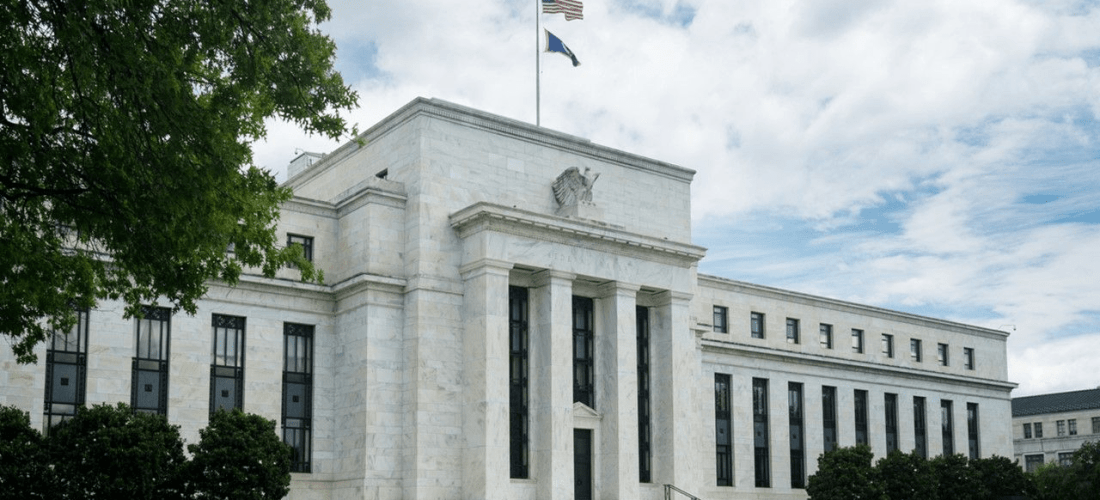
The Federal Reserve concluded its September meeting and announced plans that it may soon begin the process of slowing its asset purchases. 

This past Tuesday, Sept. 21, the Federal Open Market Committee (FOMC) held its sixth meeting of the year in Washington, D.C. that included some highly anticipated news. At the meeting, the Fed announced that the economy has made progress toward its goal of maximum employment and price stability, and that if development continues, the FOMC will soon taper their securities. The Fed has maintained its current strategy for now, but the statement of potentially looming asset tapering is a substantial change from past meetings.

Federal Reserve Chairman Jerome Powell noted in his press conference that he decided to put off the unpleasant business of announcing when the Fed will peel back its bond purchases — a process known as tapering — as too many economic uncertainties flourish. Such security purchases have been a key part of the economic recovery during the COVID-19 pandemic. At first, those policies helped stabilize the economy, and they have since been a crucial part of the Fed’s accommodating monetary policy stance.

However, Powell stated that “if progress continues broadly as expected, the committee judges that a moderation in the pace of asset purchases may soon be warranted,” adding together that if the economy remains on path, this situation could result in a gradual tapering process that wraps up by mid-2022. With this, the tapering of asset purchasing could begin soon, meaning the Fed’s long-promised signaling has arrived; nevertheless, Powell has still yet to commit to a specific timeline. 

Powell also indicated that growth made with inflation is still not a long-term concern, even as the Summary of Economic Projections (SEP) includes a higher median inflation forecast for 2021 than June’s SEP. Powell’s personal view halted that the assessment for significant progress to employment has been “all but met.”

The SEP announced this month reflects the Fed’s awareness of current economic conditions. The FOMC’s mean inflation expectations for 2021 grew from 3.4 percent in June to 4.2 percent in the latest forecast; however, Powell has insisted that the committee looks at inflation as transitory due to pandemic-related supply factors. For instance, he cited the automotive industry’s supply chain issues in particular during the September press conference.

The meeting concluded with no members of the FOMC predicting a change to the federal funds rate in 2021, but more of them now anticipate an increase in intensity in 2022 relative to June’s predictions. The 18 participants are equally split between anticipating a small boost to the federal funds rate in 2022 and expecting a rate change in 2023 or later.

ryanj21@lasalle.edu

El Salvador adopts bitcoin as national currency

Uncategorized
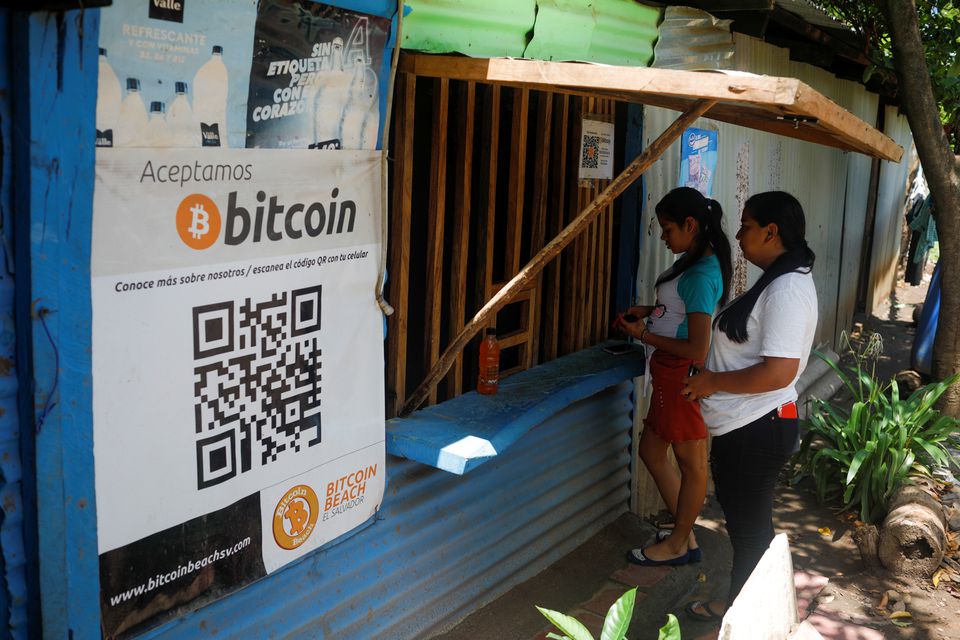
Women in Chiltiupan, El Salvador make a purchase at a store that accepts Bitcoin. Reuters via Jose Cabezas

As of September 7, Bitcoin is an official legal tender in the Central American country of El Salvador. President Nayib Bukele, 40, says that one of the main reasons for the new law is so residents can save money on remittances. Many Salvadorans send and receive money to and from family and friends abroad; transactions that can carry hefty fees. With bitcoin, a cryptocurrency, there are no transfer fees. According to Kenneth Suchoski, U.S. fintech and payments analyst at Autonomous Research, “For Western Union and some of the other remittance providers, keep in mind that most of the volume in the remittance industry is going from developed markets to emerging markets primarily to people — families and friends — that operate in cash.” El Salvador is one of these developing markets.

The GDP of El Salvador is significantly dependent upon these remittances, which make up nearly $6 billion or a fifth of their GDP, according to the World Bank. Globally, remittances total $500 billion each year. However, remittance providers like Western Union need not worry — at least for now. Suchoski says that these providers “…are still going to be relevant for years to come,” provided that Bitcoin does not gain widespread adoption and use. Currently, less than one percent of global cross-border remittances are in cryptocurrency, according to Autonomous Research.

MoneyGram, another remittance provider, has already made moves into the cryptocurrency markets. Earlier this year, MoneyGram announced that it would allow U.S. customers to buy and sell Bitcoin at 12,000 retail locations throughout the country. In a statement to Reuters, MoneyGram officials said that “We’ve built a bridge to connect bitcoin and other digital currencies to local fiat currency. As crypto and digital currencies rise in prominence, a core barrier to further growth is the on/off ramps to local fiat currencies.”

Western Union is apparently in agreement that there are multiple barriers to crypto growth. The company has dabbled in the use of cryptocurrencies, but has yet to come up with a sufficient “use case” to justify incorporating them into their business model.

Salvadorans have the option to receive payments in Bitcoin and may convert the funds to U.S. dollars. Economists predict that most Salvadorans will immediately convert Bitcoin to USD upon receipt. The Central Reserve Bank of El Salvador has been stocked with $150 million, a figure that some economists deem inadequate. If the price of cryptocurrency keeps rising, that means that El Salvador’s reserve of Bitcoin will pay off. However, there are a few concerns surrounding a national bank which is experiencing a “constant outflow of US dollars and constant inflow of bitcoin,” says economist Daniel Munevar to Yahoo! Finance. According to Munevar, a global debt specialist, Salvadoran president Bukele possesses a “disregard for public resources.”

El Salvador’s adoption of Bitcoin is likely to lead to an increase in volatility in the short term. This will likely make Salvadorans less inclined to hold onto the cryptocurrency. On the contrary, Edward Snowden tweeted on September 7 that El Salvador’s new law “massively incentivises early adoption and latecomers may regret hesitating.”

Moreover, Salvadoran financial markets were not in good shape to begin with; the country is in debt distress, leading the International Monetary Fund (IMF) to set indicative discal restructuring targets to grant a loan of $389 million. The IMF is traditionally very conservative, so if El Salvador is unable to repay its debts, it is highly unlikely that the IMF will want to help out with more loans.

What’s more, the laws and regulations regarding cryptocurrency are inchoate. Munevar states that the new law allows transactions that “skirt anti-money laundering regulations.” It is up to the Salvadoran government and president Bukele to manage this transition without relying on illegal activity, all while simultaneously encouraging the public to view Bitcoin as a legitimate currency.