
Dani Colon, Editor
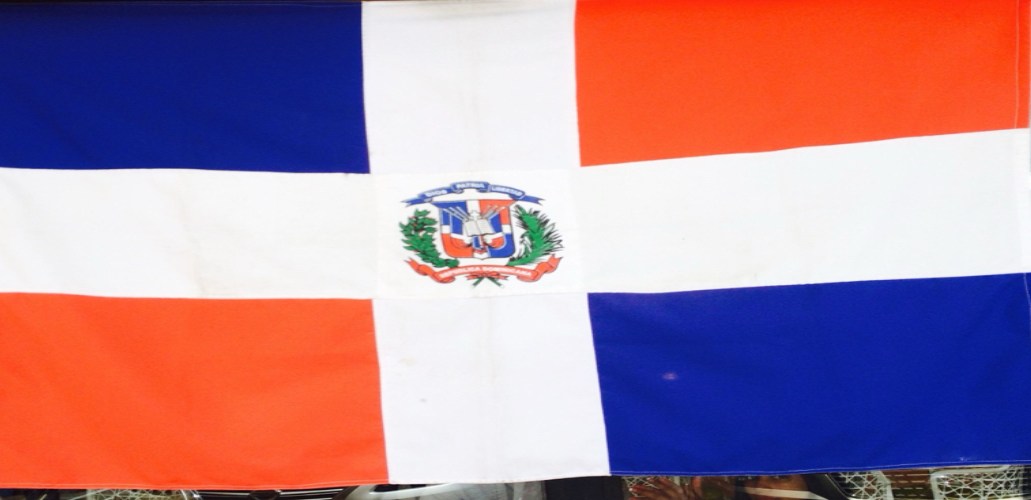
The Dominican Republic ranks second worldwide for the number of players produced for the MLB. With 17% of the population living in poverty, baseball can represent a chance for many children to build a better future for themselves and their families. For many young players, making it to the major leagues is more than just a dream; it’s a hope for escaping poverty. Boston Red Sox Hall of Famer David Ortiz has become a huge influential figure for many Dominicans; he understands these struggles himself, having grown up in the Dominican Republic.
With Dominican players making up 10% of MLB rosters, all 30 MLB teams have invested millions creating elite luxury baseball camps. A ProPublica investigation revealed a darker side of this system. MLB allows a shadow industry to operate around baseball development that preys on boys as young as seven years old. In 2021, a 14-year-old Belfi Rivera made a verbal agreement with the Arizona Diamondbacks and was promised 1.8 million dollars. What Rivera didn’t realize was that MLB teams cannot officially sign international players until they are 16-years-old. The agreement was verbal; it was also difficult to verify the details of the promised deal.
Rivera is the seventh of 11 children and grew up in poverty. His family earned only $150 a month, and both of his parents were illiterate. He even recalls only eating a piece of bread once a day. Here is where those involved in the predatory side of MLB take advantage of young players who are desperate for a chance to escape poverty. Rivera was approached by Santos Caraballo, a 40-year-old who has faced criminal charges in the United States. Caraballo offered Rivera loans, stating that Rivera would have to give him half of his earnings and pay him back once he turned 16 – the legal age to sign with an MLB team.
Caraballo stated that there will be a 7% interest loan monthly, which is illegal in the United States. Caraballo has been running his business, loaning money to children who sign before the age of 16 for years. In 2020, there was a whistleblower to the FBI; MLB knew about these loans, but the case was later dismissed. Numerous ads have even been posted on WhatsApp for families to see, offering money to children who have verbal agreements and want to receive their money instead of waiting until they are legally old enough to sign.
It’s not only here where these children are preyed upon; it starts as young as seven years old. Rivera was noticed by the Diamondbacks after he was approached by a trainer at just seven years old. When children train with baseball trainers, they can also be at risk of being “sold” to other well-known trainers. Trainers make agreements and deals with each other, and children are essentially passed along to other camps. They may have to live in boarding school-like facilities and leave their regular school life behind. They play baseball 24/7.
This might seem like the perfect life for these children, but they are still very young. Rivera even recalled feeling homesick.
When Caraballo tried convincing Rivera’s family to take out a loan, one thing that helped seal the deal was Caraballo claiming to be David Ortiz’s “right-hand man.” With multiple social media posts showing the two together, they were even listed as partners in a Miami-based sports company called “Big Papi Sports Group.” The company was shut down the next year. The title of the company was never listed. Caraballo was able to alter the legal documents on the loan because Rivera’s parents were both illiterate and refused to give a copy of the forms to the couple. Rivera’s family was only asking to sell 5% of his deal for $90,000 upfront. Carballo convinced them to sell 10% instead.
Months passed. Carballo continued convincing the family to take out more loans, even though they were able to live comfortably and afford the medical attention they needed. At one point, Caraballo offered them $70,000 with 7% interest. By the time Rivera was old enough to officially sign with the Diamondbacks and receive his money, Caraballo came in and took almost everything. After the loans and interest were added, the young player and his family were left with nothing. Rivera is not the first or the only child this has happened to. Many other children have gone through these situations. Some are afraid to come forward and speak out. Rivera even recalled meeting with Caraballo one day to discuss a loan when he noticed a gun on his side. Rivera recalls feeling anxious about that meeting. MLB is fully aware that this is happening. Players like Fernando Tatis Jr. have also been involved in these agreements. In 2017, Tatis signed an agreement to give up 10% of his earnings in exchange for money upfront. When the lenders saw his deal with the San Diego Padres, they wanted more money. Tatis sued the lenders and stopped making the payments.
The situation took a toll on Rivera’s mental health and even affected the way he played. For a few weeks, he was not seen in the lineup. Now, he only earns $100 a week, and that is only when he plays. One way MLB could help stop situations like this from happening is by creating an international draft, where teams receive ranked picks and select eligible players. The system could also require players to have a high school education. Even players selected with the last pick could receive $100,000. However, David Ortiz has reportedly posted on WhatsApp to reach people in the Dominican Republic and speak out against the idea of an international draft. For a country that produces so many MLB players, with all 30 teams investing millions into the island and many other Latin American players traveling there to train in these facilities, you would think the MLB would do everything in its power to help these players.
Even some international players receive financial literacy support, like the programs offered by the Miami Marlins. Yet, when it comes to protecting these young children from being taken advantage of, the baseball world seems to turn its back on them.

