Here they come Philadelphia, ready or not

Business

Isabella Teti, Editor

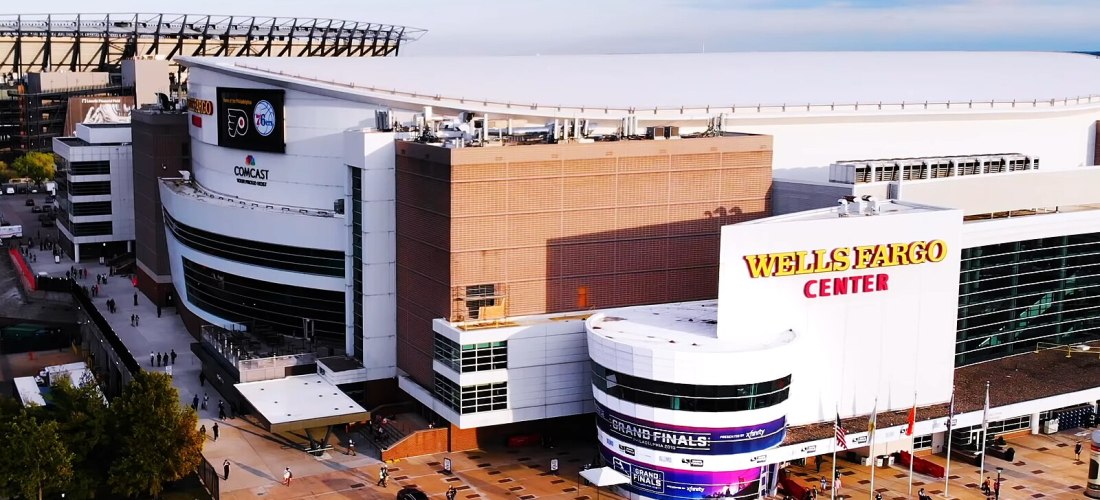
For 57 years, the 76ers have called one location their home. Philadelphia’s professional basketball team made their debut on Oct. 18, 1967, playing at The Spectrum in the iconic South Philadelphia Sports Complex. Over time, The Spectrum showed its age and would later be replaced with current arena, The Wells Fargo Center. That might all change if a groundbreaking decision is reached by the Philadelphia City Council.

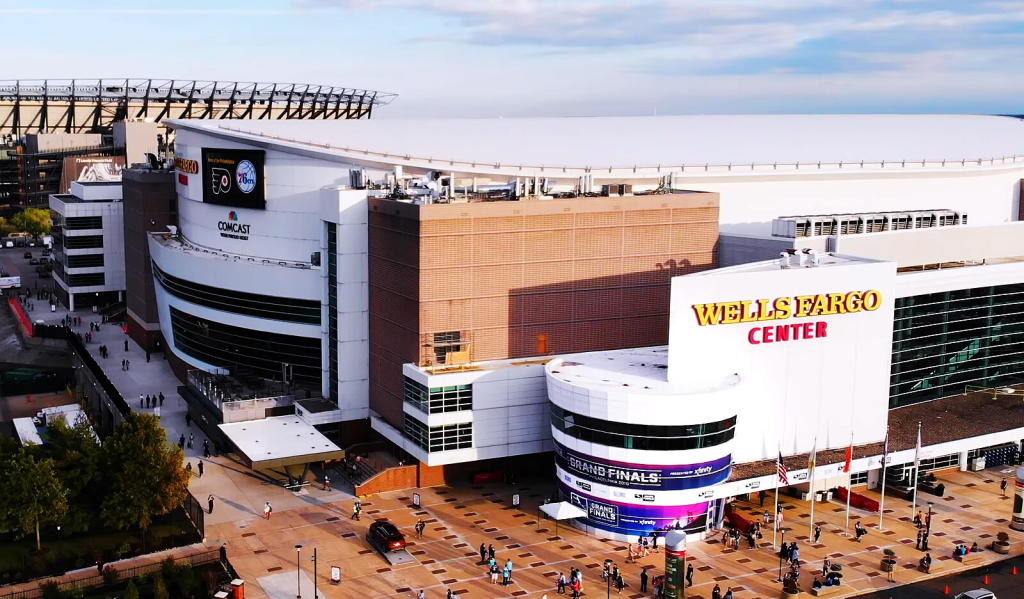
Wells Fargo Center via WikiCommons

In September, legislation became accessible to the public about the prospective 76ers stadium dubbed “76Place,” creating a whirlwind of responses from legislators, public figures and leading members of the community. Each response has showcased a difference in opinion on the issue and has overall dominated the sports scene in Philadelphia since it became available. 

I had a chance to sit down with Philadelphia Councilmember Mark Squilla (D-1st dist.) to discuss his own opinions about the prospective stadium. Squilla explained the origin of the proposal and its recent developments, saying, “This process was started a little over two years ago when the proposal was made by the 76 Development Corporation to put an arena at the 10th and 11th and Market Street…since then we have been meeting with community stakeholders including Chinatown, Washington Square West, Jefferson Hospital, Septa, Center City District, Midtown Village, people who have a perspective on or may have be impacted by this proposal.” 

He also explained that after the proposal was delivered to the city, the developers were asked to pay for a study that would address the concerns of the community. It would also help inform stakeholders and the council themselves about the pros and cons of this project. 

Councilman Squilla remains loyal to his role as a supporter of the community saying, “My stance all along was let’s see what all these concerns are, let’s see what the challenges are, let’s look at the positive and the negative and then what safeguards we could put in place if this project can move forward, and I said that I could possibly support it if I believe we’ve put enough protections in place for the communities most impacted.” 

In more recent weeks since the discussion of the stadium has resurfaced, communities including Chinatown and the Gayborhood have hosted protests and received backing from “City Councilmember Nicholas O’Rourke, state Reps. Rick Krajewski and Chris Rabb and state Sen. Nikil Saval [who] spoke against the arena proposal…” according to a WHYY article. 

In an interview for The Daily Pennsylvanian, a founder of the Asian Americans United, Debbie Wei, gave her thoughts on the stadium saying, “Gentrification has hit Chinatown hard. A lot of folks have been moving up toward the northeast of Philadelphia because they can’t find affordable housing.” Both Chinatown and the Gayborhood have expressed their worries that building the stadium will disrupt ongoing efforts to keep their neighborhoods preserved and diverse. In fact, a recent study conducted by the Save Chinatown Coalition found in the city of Philadelphia “…56% of respondents are against the $1.55 billion project and only 18% support it,” according to a recent WHYY article.

Former Philadelphia Eagles center, Jason Kelce made his voice and opinion known on the matter. Using Twitter, Kelce said “…I would absolutely support the Sixers building their own arena in South Philadelphia. The renting thing isn’t fair to them, I just hate the strong arming of the city to force an inevitable move into an arena that the local residents, and vast majority of Philadelphians don’t prefer be in center city.” 

While a great thought, one that many Philadelphians would love and support, it doesn’t seem like that is in the cards for the 76ers now or in the future. Squilla even says “…I would support an arena down in South Philadelphia but there’s no proposal of that and they don’t have the ability to do that because that land is controlled by Comcast Spectacor… so they would have to work out a deal with them and I think part of the reason why they can’t is because they want to be on their own.”

With the assumption that an additional stadium will not be added in the foreseeable future, we must turn to the other side of the issue. What positive contributions could the stadium potentially have for the city? 

To help answer that question, I had the pleasure to sit down with Business Manager for the International Alliance of Theatrical Stage Employees & Motion Picture Industry (IATSE), Local 8, Trisha Barnes Vargo. Vargo shared her opinions of the stadium, saying, “…The new 76ers stadium that’s proposed to be built I think… will bring a financial economic boost to the city during the building of it for the building trades which IATSE locally is a part of, the Philadelphia Building Trades. It will [also] bring work; economic value to the people who live in the area and work in the area. I believe it will be a three to four year build and it’ll involve from the ground up carpenters, electricians, masons, and then once the building becomes into effect it would involve the Local 8 to go in with the IT division of it… I think it would be a very generous boost to the economy in Center City where we have still seen a fallout from Covid.” 

The recent “2024 State of Center City Philadelphia” report said “…The fact remains that the vacancy added to the market since the pandemic is nearly 4 million square feet, or approximately four Comcast Centers worth of empty space.” 

A stadium that could host the 76ers, family-oriented shows, concerts, etc. could help influence more developers to invest in building new enterprises, which would create a new wave of business, jobs and revenue for the city. 

Vargo also says “…Anything that we build in Philadelphia that brings people in helps the community. There are two sides to this, I know we have an issue with the local people that live in the area and the Asian community but on a broader aspect and looking at it a building of that nature being in that area along with [the] Pennsylvania Convention Center and other properties will have people driving into that area or commuting into that area to see the game; so we’re looking at a hospitality industry boost [and] a restaurant industry boost and they’ll bring people into the Center City area.”

Still, even with the help of people who could influence a decision in the matter, there are many questions left unanswered that frankly can’t be answered until it’s too late. Can Comcast survive on only the Wells Fargo Center receiving income from Flyers games? How will the city of Philadelphia decide which venue will host events? Will the potential stadium be able to create enough revenue to offset the costs that it will take to build it? Does the stadium pose realistic expectations in regard to the transportation to and from the stadium? But perhaps the biggest question: How does one truly know and make a correct decision when it comes to building the stadium?

In the next few months there is sure to be more news in the media covering this issue in intricate detail as well as receiving more attention from legislators of all statutes to discuss their opinions. But for now, citizens on both sides must rely solely on their own voices to convey a message that will affect millions living in Philadelphia and the surrounding areas. However, one thing is for certain, the Philadelphia 76ers will remain in Philadelphia.

Port strike suspended due to tentative wage deal 

Business

Hailey Whitlock, Staff Writer 

For the first time since 1977, the International Longshoremen’s Association called for a port strike along the East and Gulf Coast beginning on Oct. 1, 2024. In response to the expiration of the previously determined six-year contract, the union called for higher wages for port workers and guarantees against automation at the ports to protect against layoffs. The strike had the ability to cause severe economic damage to the nation as the closure of key ports adversely impacted the ability to transport products, leaving businesses on edge. According to JPMorgan Chase & Co., for every day of the shut down, economic loss will total between $3.8 and $4.5 billion dollars. 

The strike involved the closure of 36 ports ranging from Maine to Texas, halting the transfer of goods ranging from food products to manufacturing parts necessary to keep American employees able to work. According to AP News, approximately 45,000 dock workers took part in the strike, refusing to work until demands for wages were met. A key point of contention is the lack of increase in wages for port workers following the pandemic, even as, according to NPR, some ocean carriers saw an 800% increase in profit during this time period. The United States Maritime Alliance offered an almost 50% wage increase over the next six-year period. However, this did not align with the union’s goal of a 77% wage increase within six years and a complete ban on automation at ports. 

The union had been willing to court the idea of a $4-per-hour wage increase for the next year. However, when the United States Maritime Alliance countered with a $3-per-hour wage increase, Harold Dagget, a leader of the International Longshoremen’s Association, refused the offer very strongly, prompting the strike. In a Facebook post, Daggett asserted, “We are prepared to fight as long as necessary, to stay out on strike for whatever period of time it takes.” 

When faced with the economic disaster of the strike, NPR stated that every day over $2 billion dollars worth of goods go through the ports affected by the strike, President Biden refused to use executive authority to halt the strike. The Taft-Hartley Act, which was passed in 1947, allows the president to exercise powers to keep the ports open and employees working. When questioned if Biden would consider utilizing this act to end the port strike, Biden replied to CNN reporters, “No because it’s collective bargaining, and I don’t believe in Taft-Hartley.” The generally pro-union president later wrote, “It’s only fair that workers, who put themselves at risk during the pandemic to keep ports open, see a meaningful increase in their wages as well.” 
Without government intervention and the increasing loss of profits, the United States Maritime Alliance agreed to a $4-an-hour wage increase on top of a base pay of $39, allowing an immediate raise of 10%, according to CNN. Further, union members will receive a $4 wage increase for each year of the six-year contract, amounting to a $24 wage increase by 2030 and a 62% wage increase. Following this offer, the strike was called out after three days. Nevertheless, the issue of port workers is not yet settled as leaders are less than pleased with the increased automation in the industry. According to CNN, Daggett stated, “Since Covid, they’re making billions and billions of dollars. But they don’t want to share it. They’d rather see a fully automated terminal right here on the East Coast so they can make more money.” The two parties have agreed to end the strike, extending the current contract until Jan. 15, 2025 to negotiate further issues.

Federal Reserve cuts interest rates by 50 basis points 

Business

Hailey Whitlock, Writer  

On Sept. 18, 2024, the Federal Reserve, the department responsible for setting federal interest rates as the central bank of the United States, announced an anticipated interest rate cut. This cut, the first since March of 2020, comes after a long period of deliberation from the board’s members regarding the current economy. A rather dramatic choice, the Federal Reserve’s decision to cut interest rates by 50 basis points, as opposed to the more gradual 25, has been widely debated prior to Wednesday’s announcement. 

The 50 basis point cut, an interest rate decrease of half a percent, brings federal interest rates from 4.75% to 5.25%. The decision was made in relation to both the inflation and unemployment rates in the United States. For the last four years, the Federal Reserve has operated utilizing interest rate increases in an effort to tame intense inflation. However, a reduction in interest rates suggests an optimistic outlook regarding inflation in the future. Jerome Powell, the chairmen of the Federal Reserve, insists that such a move is feasible due to the fact that inflation is stabilizing and moving towards the Federal Reserve’s 2% goal. In fact, according to NPR, inflation fell to 2.5% this month, a sharp contrast to the inflation peak in June of 2022 at 9.1%. 

A decrease in interest rates is also connected to the job market. According to the Bureau of Labor Statistics, in July the unemployment rate reached its highest point since October of 2021 at 4.3%. In August, unemployment remained relatively stable at 4.2%. Generally at such rates, unemployment rates continue to climb. However, according to Global News, it is noted that unemployment rises in the United States as of late have been driven primarily by an influx of job seekers, as opposed to widespread layoffs. The decision to cut interest rates encourages growth in the economy. By reducing interest rates, more consumers are encouraged to buy which in turn entices companies to expand. This effect often leads to the creation of new jobs which has the potential to decrease unemployment rates. 

Despite the rather forceful cut, economists believe that further interest rate cuts will be incoming within the next two years. According to NPR, members of the Federal Reserve Committee believe that a second cut by a half percentage point will be carried out prior to year’s end, while reductions of one percent will be completed by the end of next year. 

When questioned about the impact of such a crucial decision only months prior to the presidential election, Powell insists that the Federal Reserve seeks to adjust the economy to the benefit of Americans, as opposed to advocating a political agenda. According to Fortune, when prompted about the politics behind the decision, Powell stated, “We’re always going into the meeting and asking, ‘What’s the right thing to do for the people we serve?’ We do that and we make a decision as a group and then we announce it. That’s always what it is, it’s never about anything else. Nothing else is discussed.” 

The Federal Reserve’s decision to cut interest rates by half a percentage point elucidates a perceived success over rampant inflation, turning resources to strengthen the economy and tackle the problem of unemployment. This cut is only one of the string of interest cuts anticipated over the next two years, indicating further adjustments in the near future.

Championing privacy: insights from Data Privacy Week 2024

Business

Omega Muchabaiwa, Staff

Last week, from Jan. 22 to Jan. 26, the world observed Data Privacy Week, an international initiative led by the National Cybersecurity Alliance. This week-long campaign represents a collective effort to equip individuals with the tools and knowledge necessary to protect their data and foster trust in an increasingly digital world.

Originally designated as Data Privacy Day, the event expanded into a week-long series of activities and presentations in 2022, reflecting the growing importance of data privacy in our daily lives. This year, the focus remained steadfast on educating individuals about the significance of safeguarding their personal information.

A key highlight of this year’s Data Privacy Week was the diverse array of presenters from various organizations who shared insights and expertise on data privacy concerns. Among them were Jennifer Mahoney from Optiv and Lissa Plaggeimier, the Director of the National Cybersecurity Council. Together, they underscored the critical importance of understanding how data is collected, shared and utilized, particularly in the context of online tracking mechanisms like cookies.

Cookies, while commonly used by websites to enhance user experiences and tailor content, sometimes raise concerns about data privacy. These small pieces of data enable marketers to glean insights into user behavior and preferences, often without explicit consent or understanding from users themselves. However, recent trends indicate a shift towards cookie-less browsing experiences as more websites prioritize privacy and user consent.

In response to mounting privacy concerns, international privacy laws such as the General Data Protection Regulation (GDPR) have imposed stringent requirements on organizations to uphold individual data rights and transparency. It is incumbent upon users to remain vigilant and proactive in monitoring changes to terms and conditions, as well as exercising control over their personal data.

Furthermore, Data Privacy Week addressed the pervasive issue of data brokers – entities that aggregate and monetize personal information without direct user consent. Don Marti, one of the presenters, offered valuable insights on mitigating the risk of unwittingly sharing sensitive data with such entities. By empowering users to exercise greater control over their digital footprint, individuals can minimize their exposure to data exploitation and manipulation.


Considering recent developments, including the removal of non-compliant applications from digital marketplaces, there is a growing recognition of the need for enhanced data hygiene practices. Users are encouraged to leverage tools and features that afford greater visibility and control over their data, such as global privacy controls and auto-request permissions.

As we navigate an increasingly interconnected digital landscape, the imperative to prioritize data privacy has never been more pressing. Data Privacy Week serves as a reminder of our collective responsibility to safeguard personal information and preserve digital trust in an era defined by rapid technological advancement.

The insights shared during Data Privacy Week underscore the need for continued collaboration and education in promoting a culture of privacy and accountability. By empowering individuals with knowledge and resources, we can forge a more secure and equitable digital future for all.

United Auto Workers escalates its strike actions

Business

Claire Herquet, Staff

Previous UAW strike via wiki media commons

Following suit with the Writers Guild of America this past summer, the United Auto Workers (UAW) has escalated its strike actions with their employers on Sept. 22, as they have struggled to reach a deal with Ford, General Motors, and Stellantis. America is coming to what could be one of the biggest labor conflicts of the century between the “big three” automobile companies.  

The auto industry is a big piece of the US economy. Being the largest manufacturing sector and employing 150,000 UAW workers wanting higher wages, the union is striking all three companies at the same time, which has never happened before. 

After decades of back-and-forth conflict with the union, once again their autoworkers need resources to invest in electric vehicles in order to have a chance to fight the competition they have against the global market. If negotiation does not take place, automakers may be facing a loss of billions of dollars worth of revenue and profit, along with the consequence of local economies brought to a standstill. 

Over the weekend, it has been an uphill battle for Ford and the UAW, making arrangements with their financial crisis and putting a stop to the strike; with GM and Stellantis, the union has expanded its strike to 38 additional locations. 

Thankfully, the striking UAW workers received some support from US Senator. Dick Derbin on Monday morning. “Nobody wants a strike, but nobody wants conditions to remain the same and not change. They want these workers to have a fighting chance for a decent living in the future and building on the American dream,” Durbin said. 

While negotiating with the big three, the union is observing the automakers’ profits in comparison to its CEO’s pay, as it displays an increase in wages of around 36%. The companies have offered just shy of half that amount to make a change and have their employees come back to work. 

The union has responded saying they cannot take the wage increase proposal because they need to invest in the appropriate profits needed, in accordance with the big change of working on gas-powered vehicles to electric vehicles. Many of them have even turned away from the suggestion of being paid for five-day work weeks while only working four-day work weeks, which is a significant increase in payment. 

US Presidents and senators often show up at the scenes of strikes to try to mediate the situation or show their solidarity with their workers, however President Joe Biden has been very open about being on the side of the laborers. Biden has joined the UAW picket line as of Tuesday morning, appearing in Detroit on the strike’s twelfth day.  

“I think the UAW gave up an incredible amount back when the automobile industry was going under. They gave everything from their pensions on, and they saved the automobile industry,” Biden stated at the White House. The Biden administration has no role or association with the negotiations.

Girl bosses for the economic win: The Barbie Movie, Renaissance and Eras Tours

Business

Emily Allgair, Staff Writer

Via Wikimedia Commons (https://commons.wikimedia.org/wiki/File:Taylor_Swift_The_Eras_Tour_Reputation_Era_Set_(53109434716).jpg

From Beyonce to Taylor Swift to the Barbie movie, the economy has felt a generous boost in revenue over the summer. Taylor Swift’s Eras Tour, which began in March of 2023 and ends domestically in November 2024, is currently on track to become the biggest concert tour in history, beating out Elton John’s farewell tour which began in September 2018 and ended in July 2023. Projected to generate $1 billion, people who went to the concerts likely bought extravagant outfits, friendship bracelet supplies, hotel rooms and plane tickets in addition to the tickets (which crashed Ticketmaster and were extremely expensive during resale). Jumping on the swiftie-bandwagon, many small businesses made products catered to the pop star’s fans. From dessert shops making Taylor-themed donuts to small museums opening exhibits based on her 17-year career. 

Starting in May 2023, Beyonce started her ninth concert tour, the Renaissance Tour. Similar to the Eras Tour, Beyonce’s is another world-famous musician hosting concerts without the (major) fear of spreading COVID-19. In Philadelphia the week of Beyonce’s performance on July 12th, restaurants, hotels, shopping (including arts and craft and fabric stores) and beauty services spiked, while nail technicians saw an increase of 193%. Similar trends are being seen in the cities across the nation that Beyonce is visiting. Some are even going as far as to predict that the Renaissance tour will surpass the Eras tour by the time it wraps in October. 

On July 21 Greta Gerwig released “Barbie” (read the review here). Gaining lots of hype before its release, “Barbie” became the highest-grossing movie at the 2023 domestic box office, even despite being released on the same day as “Oppenheimer.” Over its opening weekend, “Barbie” brought in $162 million, almost double what “Oppenheimer” brought in. Post-pandemic, this is one of the first movies that has brought a large crowd back into physical theaters, a trend that we hope will continue in the future.

The New York Times stated that some economists believe that these are examples of post-COVID “revenge spending” where people are focusing on buying experiences rather than tangible things – what people mostly bought during the pandemic. For both “Barbie” and the concerts, dressing up for events has come in strong since COVID-19, as, again, people are focused on the experience rather than the cost of the goods it takes to make that experience.

Tesla Surpasses Expectations with Record First Quarter Results

Business

Jorden McVeagh, Editor

Tesla, the electric vehicle and renewable energy company led by CEO Elon Musk, has announced its financial results for the first quarter of 2021, surprising investors and analysts with impressive figures that have exceeded expectations.

The California-based company reported earnings of $0.93 per share, beating analysts’ estimates of $0.80 per share, and a revenue of $10.39 billion, up 74% from the same quarter last year. This marks the seventh consecutive quarter of profitability for Tesla, and its strongest first-quarter performance yet.

The record results have been attributed to strong sales of Tesla’s electric vehicles, particularly the Model Y, as well as a rise in demand for the company’s energy products, including solar panels and energy storage systems. Tesla delivered a total of 184,800 vehicles in the first quarter, a 109% increase from the same period last year, while revenue from energy generation and storage reached $494 million, up 43% from last year.

Tesla’s impressive performance comes amid a growing shift towards electric vehicles and renewable energy sources, as governments around the world implement policies to tackle climate change and reduce carbon emissions. Tesla has positioned itself as a leader in this space, with a focus on developing high-performance electric vehicles and innovative energy solutions.

In addition to its record financial results, Tesla also announced progress on several key initiatives during the first quarter. The company began production of the new Model S and Model X vehicles, which feature updated designs and improved performance, and announced plans to expand its network of Supercharger charging stations.

Tesla also made significant progress on the construction of its Gigafactory in Texas and its Gigafactory in Berlin, both of which are expected to play a crucial role in the company’s future growth. The factories will produce electric vehicles and energy products for customers in North America and Europe, respectively, and are set to begin production later this year.

The news of Tesla’s strong first-quarter performance has been met with enthusiasm from investors, with the company’s stock price increasing by more than 4% in after-hours trading following the announcement. The results are a clear indication of Tesla’s growing dominance in the electric vehicle market, and its ability to generate significant revenue from energy products as well.

However, some analysts have expressed concerns about Tesla’s ability to sustain its growth and profitability in the long term. The company faces increasing competition from other automakers, including established brands such as Ford and General Motors, as well as newer entrants to the market such as Lucid Motors and Rivian.

Tesla also faces challenges related to supply chain constraints and production bottlenecks, as well as increased regulatory scrutiny in some markets. The company has faced criticism in recent months over safety concerns related to its Autopilot driver-assistance system, which has been involved in several high-profile accidents.

Despite these challenges, Tesla’s strong first-quarter results demonstrate the company’s resilience and ability to navigate a rapidly changing market. As the world continues to shift towards electric vehicles and renewable energy, Tesla is well-positioned to maintain its leadership position and drive continued growth in the years ahead.

In conclusion, Tesla’s record first-quarter results have exceeded expectations and demonstrated the company’s strength and resilience in the face of significant challenges. With a focus on developing innovative electric vehicles and energy products, Tesla is poised to capitalize on the growing demand for sustainable transportation and energy solutions, and maintain its dominance in the market for years to come.

Bud Light turns to new marketing efforts to rebound after years of decline

Business

Jorden McVeagh, Editor

Alexander Hall of Fox News interviewed the current Vice President of Marketing for Bud Light, Alissa Heinerscheid, about her role in this venture. Heinerscheid was quoted in the article saying, “I’m a businesswoman, I had a really clear job to do when I took over Bud Light, and it was ‘This brand is in decline, it’s been in a decline for a really long time, and if we do not attract young drinkers to come and drink this brand there will be no future for Bud Light.” To appeal to the public eye, Bud Light and their parent company Anheuser-Busch partnered with transgender activist Dylan Mulvaney. They sent custom cans with her face on it to celebrate her 1-year anniversary from making the transition. 

While this has received harsh backlash from the public, Heinerscheid says that this was done with the idea of inclusivity in mind. She doesn’t want Bud Light to be seen as a beer specifically made for one gender. For some, this move was seen as heinous. Anheuser-Busch on the other hand says that this move was nothing new to the company, adding Mulvaney to a list of other influencers partnered with the brand. This was an attempt to put Bud Light into the eyes of the younger audiences they are trying to reach. 

When a 21 year old sees someone like Mulvaney drinking Bud Light, they may be more inclined to drink it themselves. It is all about what is cool and what other people are doing on social media. If the social media presence around Bud Light is positive and in abundance, more people will start drinking it. Data from Macrotrends.com shows that this new marketing scheme may indeed be working. In 2017, Anheuser-Busch’s revenue for the year reached $56,444 million USD. This number dropped all the way to $46,881 million in 2020. This shows the decline that Heinerscheid was describing in her interview. This has since rebounded to $57,786 million in 2023, which goes to show the work that the marketing team has put in to counteract that decline. 

Why does Bud Light only look at promoting their product through influencers? What other methods could they use to increase revenue? In today’s day and age, influencers play a crucial role in products being successful. However, you see brands like Corona advertising with celebrities such as Snoop Dogg. If they could increase their advertising while incorporating those public figures into the campaigns, they could stand to see a tremendous jump in revenue in the years to come. 

As of October 2022, Constellation, which is Corona’s parent company, saw a 9% growth from the Corona Extra product. I think if Bud Light were to do that and promote their Seltzer/Soda line more they would see that revenue jump they are looking for. They advertise their seltzer line as “100% Hard Seltzer, 0% Beer”. Showing the public that they are a well-rounded company with different products to suit the varying consumer tastes. Most young adults these days do not want to drink beer. They lean more towards seltzers and other low-calorie options, so getting your brand image to incorporate those products will be crucial for Bud Light and Anheuser-Busch moving forward to increase revenue.

Bed bath & Beyond making last hope in an effort to survive bankruptcy.

Business

Jason Ryan, Staff

In an effort to keep from declaring bankruptcy, Bed Bath & Beyond is asking shareholders to approve a reverse stock split at a forthcoming special meeting, according to a regulatory filing made late Wednesday.  

To ensure that there are enough shares available to raise up to the $300 million in equity from a stock offering announced last week, the retailer’s board is urging shareholders to accept the reverse stock split at the May 9 meeting as Bed Bath & Beyond deeply needs cash to survive, again. 

The company has seen problems with the business before the pandemic hit, and its business has been experiencing declining trends. Despite an increase in online retail sales, Bed Bath & Beyond still didn’t generate the same number of sales in past years as other shops like Target. Due to poor performance, Bed Bath & Beyond fired Mark Tritton, its recently appointed CEO and former Target chief of merchandising. 

The declining stock price of Bed Bath & Beyond, which has been trading below $1 for the past two weeks, has made fundraising attempts extremely difficult. Bed Bath’s stock was trading at about 30 cents early on Thursday, giving it a market worth of only about $132 million. According to the company’s statement, if the plan isn’t carried out, it probably will not have enough equity to pay its debts and maintain operations. Leaving them no option but to file for bankruptcy. 

That being said, the struggling store announced that the reverse stock split would occur at a ratio between one for ten and one for twenty, to be overall decided by the board. If the split is granted, there will be a considerable decrease in the number of shares of common stock that are outstanding, enabling the company to issue enough shares to satisfy the requirements of the offering. The firm anticipates that the reverse split will increase Bed Bath’s share price per share, which will enhance investor perception of the company’s stock.

The stock offering will eventually dilute Bed Bath’s share price, even if the reverse split temporarily raises it. This is what happened after the business announced another stock offering in February. Since January, the home goods business has been issuing bankruptcy warnings after a string of poor quarters left it barely hanging on to life. For instance, it announced a $120 million lifeline on Wednesday from liquidator Hilco Global so it may replenish its inventory in a desperate attempt to boost sales.

On paper, Bed Bath & Beyond’s plans to streamline operations and stock fewer items may have made sense, but in fact, they have displeased customers and investors. Since fewer products were available, the “Beyond” division of the company struggled because many devoted customers were used to buying at the retailer before heading to rivals Target or Home Goods. Customers used to have a wide variety of brand alternatives, therefore they were disappointed by the alterations made after the structural cleaning of its aisles.  Bed Bath & Beyond has been distressed for years, having failed to reinvent itself in the digital age despite efforts to declutter its stores and remake its coupon strategy. I believe the company’s idea to push for a reverse stock split proves the company is on its last leg. If not approved, the company will likely end up in liquidation if it cannot find a buyer. 

ryanj21@lasalle.edu

Study finds nearly 200 banks could suffer same fate as SVB

Business

Jorden McVeagh, Editor 

On the morning of Friday, Mar. 10th, Silicon Valley Bank collapsed. This collapse results in the second-largest banking collapse since the 2008 financial crisis. Regulators out of California closed the bank putting it under the control of the FDIC, which is responsible for formulating a plan of action. Many believe that they will liquidate most of, if not all, the bank’s assets in order to pay back customers. 

A recent study conducted and published by the Social Science Research Network found nearly 200 other banks, 186 to be exact, are at risk of suffering the same fate. All that would need to happen is for depositors to withdraw their funds, leaving the bank with very little capital. Exactly how much money is at risk here? $300 billion to be exact. The big question at hand is how did this happen? It all comes back to interest rates. The FED has been increasing interest rates over the past months, and as of Feb. of this year, they have jumped to 7.17% for a 30-year fixed rate. Money deposited into a bank is typically then invested in low-risk government bonds. Interest rates influence government bond performance, and since they continue to increase, bonds are negatively impacted. The issue with SVB is that a good amount of their assets were in long-term bonds, meaning that they mature in 10 years or more. The SVB collapse occurred when they posted a massive $1.8 billion loss to match the number of customer withdrawals. In addition, the bank also announced $2.25 billion in new shares in order to recover some of the losses. This loss scared depositors into withdrawing whatever amount of money they had from the bank.

Higher interest rates lower the value of treasury securities as I mentioned above. Many regulators in the industry feel good about the tools in place to help fight further incidents from happening. In an interview with CNN Business, Deputy Treasury Secretary Wally Adeyemo tried to inform the public that they are on top of monitoring the banking system to prevent further collapses. In this interview, Adeyemo stated, “Federal regulators are paying attention to this particular financial institution and when we think about the broader financial system, we’re very confident in the ability and the resilience of the system… we have the tools that are necessary for incidents like what’s happened to Silicon Valley Bank” Whether he is saving face here or not we will see in the coming months. However, it was smart on his end to at least try to capture some trust back from the public. It will take some further research and analysis to get the full picture of what led to the collapse of SVB, but it is vital to the banking sector that it is done quickly before more depositors lose trust in the banks. As the US economy signals it is edging closer to a recession, losing trust in the banks going in is the last thing the public wants to happen.