
Kelsey McGovern, Staff Writer
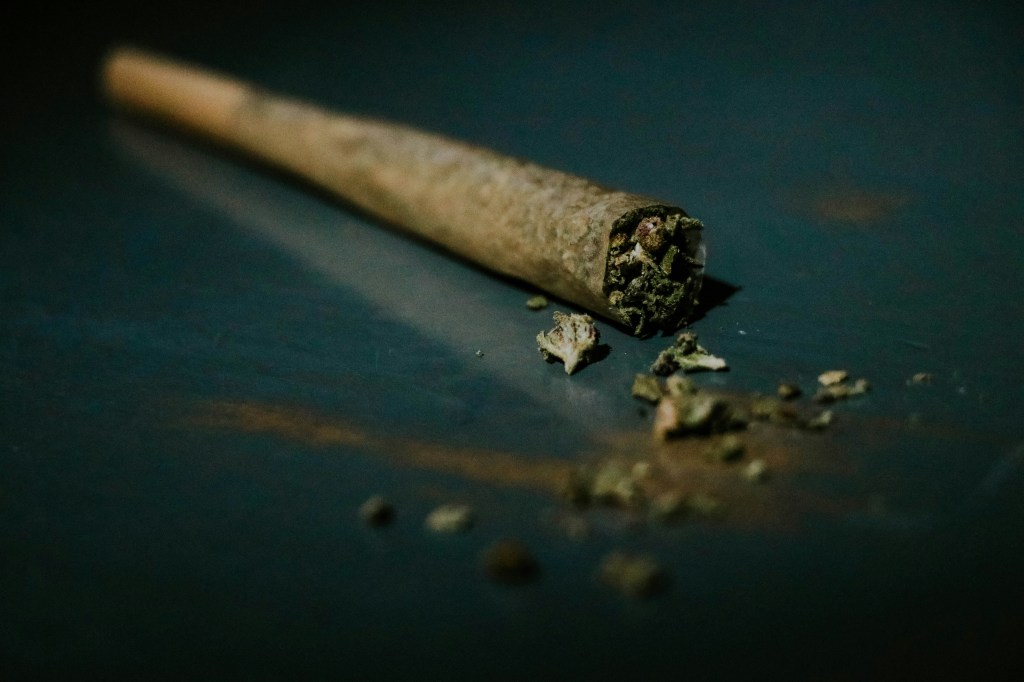
Is there a higher risk of encountering fatal drugs in N.J. or P.A.? Some may argue since Pennsylvania illegalizes cannabis, it protects citizens from indulging in other, more dangerous drugs. However, no matter if a substance is legal, people will still get their hands on it. New Jersey, through legalizing cannabis, provides regulation of the drug so their citizens can be sure of the quality of the cannabis they are using. Pennsylvanians need legalization of cannabis to ensure cannabis is being regulated effectively for safety purposes.
Cannabis Regulation analyzes benefits of the industry. The first subchapter refers to any person or entity “possessing, buying, selling, cultivating, producing, manufacturing, transporting or delivering any cannabis or cannabis items within this State, or engages in any other activity associated with the personal use of cannabis pursuant to the Act.” N.J. Admin. Code § 17:30-1.1 (Lexis Advance through the New Jersey Register, Vol. 58 No. 14, July 20, 2026). Subchapter 2.1, Consumer and license holder criminal protections, states, “Licensed cannabis businesses and testing laboratories and personnel remain subject to criminal prosecution for activities not authorized by the Act, this chapter, or the cannabis business or testing laboratory license.” N.J. Admin. Code § 17:30-2.1 (Lexis Advance through the New Jersey Register, Vol. 58 No. 14, July 20, 2026).
Cannabis laboratories and businesses in New Jersey are held accountable in producing cannabis, which protects the general public from having easy access to other drugs. Due to Pennsylvania deeming cannabis as illegal, the public searches for cannabis in nonregulated businesses, therefore increasing their risk of exposure to other dangerous drugs within cannabis. If Pennsylvania had designated businesses for the production and selling of cannabis, the public would exercise personal use of cannabis in a safer way, knowing the chances of being laced are much less. No matter if a substance is illegal, people will still find a way to satisfy themselves. However, when cannabis shops are not regulated by the state, business owners have more room to sell various drugs that are more addictive and dangerous.
Pennsylvania is not keeping the public safe from what they call a “gateway drug,” but instead allowing unregulated drugs to be transported through the state, especially within Philadelphia. In New Jersey, stricter guidelines regarding cannabis are imposed like stricter identification and permit processes.
Within Subchapter 3.1, Powers, duties, and responsibilities, the state owns the right to request information and test laboratories to ensure the Act is effective. In Pennsylvania, there are no regulations regarding the impact of the drug; instead, government officials turn a blind eye to protecting their citizens from harmful cannabis. In legalizing any substance, more regulations are employed, benefitting the individual and the state.
The Municipal authority has the right to establish limits on production, number of businesses, and license requirements. The municipality can govern where cannabis businesses are located and times of operation. They are able to impose civil penalties for any violation of regulations. They can provide zoning approvals, prohibiting cannabis businesses in certain distances from schools, churches, etc. In states like Pennsylvania refusing to legalize cannabis, there could be smoke shops distributing cannabis illegally in close proximity to schools, putting children at risk.
Section 5.1 highlights the revenue aspect of allowing the production of cannabis legally, stating, “A municipality may adopt an ordinance imposing a transfer tax or user tax on the sale of any usable cannabis or cannabis products by a cannabis establishment located within the municipality pursuant to N.J.S.A. 40:48I-1, which may include: sales between cannabis establishments, sales of cannabis items to consumers, or any combination thereof.” N.J. Admin. Code § 17:30-5.1 (Lexis Advance through the New Jersey Register, Vol. 58 No. 14, July 20, 2026). New Jersey is able to receive tax revenue on the production and purchasing of cannabis. Tax revenue can be used in many beneficial aspects for the state while allowing citizens to engage in recreational or health-related cannabis use.
The specific regulations to produce cannabis are serious, therefore, New Jersey provides resources like cannabis training, identification cards, secure transport, cultivation requirements, recordkeeping, distribution conduct, advertising requirements, laboratory application licensing and testing/inspections. In states like Pennsylvania, there are no safe places to purchase cannabis because they are receiving it from private entities without municipal oversight.
Again, even though it should not be purchased anywhere in Pennsylvania, it does not stop those looking for it. If Pennsylvania recognizes that cannabis poses no greater risk than other legalized substances like alcohol, the state could generate tax revenue to employ state projects and protect its citizens.

