The latest season of Dancing With the Stars has sparked intense fan reactions, particularly surrounding the recent elimination of Hilaria Baldwin. Her departure from the competition has divided viewers, with some celebrating the news and others rallying in her defense, accusing online critics of bullying.
Baldwin, who was partnered with veteran professional dancer Gleb Savchenko, addressed her exit in a video interview with E! News, expressing disappointment and alleging that a group of “mean girls” on social media orchestrated a campaign to vote her off.
“It wasn’t just about dancing,” Baldwin said. “It felt personal.”
Her comments ignited a wave of responses, with some fans sympathizing and others doubling down on their criticism.
On TikTok, one user stated that Baldwin’s elimination was “good news,” while others accused her of lacking gratitude, echoing reports that Savchenko felt “humiliated” by her behavior. Still, many viewers defended Baldwin, arguing that the show is meant to showcase growth in non-dancers.
“She had no prior experience and was improving,” one fan wrote. “That’s what the show is supposed to be about.”
The controversy has highlighted a broader conversation about the tone of fan discourse online. Some users have called for more compassion, criticizing what they see as toxic behavior in fan communities. “It’s a dance show, not a battleground,” one Reddit user posted.
Meanwhile, the show’s recent “Disney Night” episode also drew mixed reactions. While traditionally a fan-favorite theme, some criticized this year’s installment for feeling overly commercial. A Yahoo headline described the episode as resembling an “infomercial,” with extended promotional segments and branded content overshadowing the dancing.
Despite the criticism, several performances stood out. Robert Irwin and Witney Carson’s cha-cha routine earned widespread praise, with fans calling it “mirrorball-worthy.” Their energetic routine to the Disney classic “Try Everything” from Zootopia was hailed as one of the night’s best, showcasing Irwin’s charisma and Carson’s choreography.
Another highlight came from Scott Hoying and Rylee Arnold’s performance of “Bop to the Top” from High School Musical. Actress Ashley Tisdale, who starred and danced to the song in the original film, reacted positively to the routine, noting how closely the pair replicated the original choreography.
“They nailed it,” she said in a social media post.
As the season progresses, fans have described it as “chaotic,” citing unpredictable eliminations, casting controversies and shifting dynamics among the judges. The mix of celebrity drama and standout performances has kept viewers engaged, even as debates rage over fairness and tone. Whether cheering for their favorites or critiquing the format, fans continue to make their voices heard. With several weeks remaining, Dancing With the Stars Season 34 promises more glitter, drama and passionate discussion.
If you ask any fashion obsessed person, chances are they have tuned into Candace Bushnell’s “Sex and The City” (SATC). Whether it was her TV show, books, movies or other adaptations to the classic, the show signified a huge turning point in pop culture, and of course, fashion.
The show follows four girlfriends in the huge city of New York– especially the main character, Carrie Bradshaw, whose unique fashion statements and expensive shoe collection left a huge mark on the fashion scene.
One of the most influential fashion moments in the show was Manolo Blahniks. Carrie’s love for the shoes was shown and mentioned throughout the show. And, of course, the most memorable scene is when Carrie gets robbed, not for money, but for her Manolo’s.
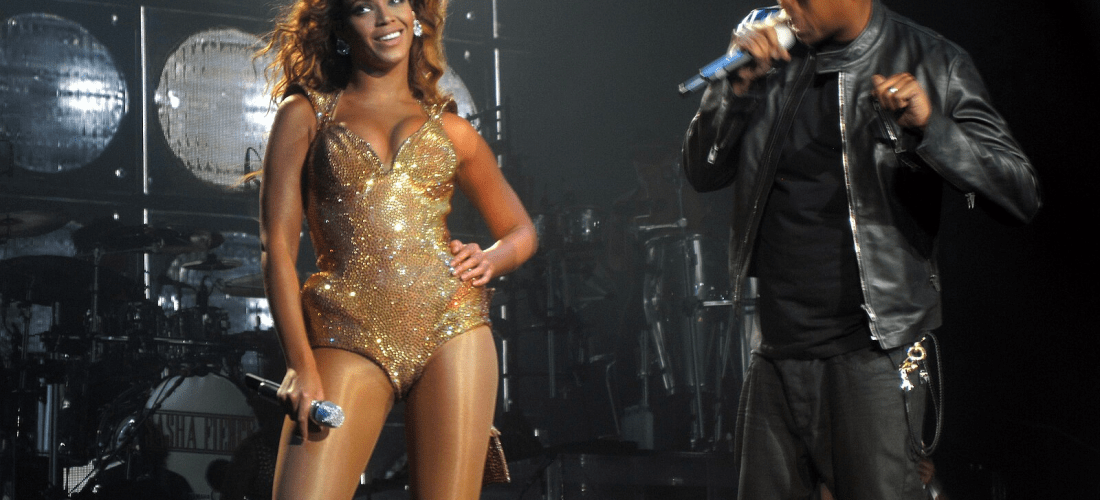
The love Carrie and other characters (Samantha) had for the Manolo’s had a big impact on the girls of the 2000s, seeing them in magazines, runways, music videos and even song lyrics. Featuring Jay Z and Beyonce’s “03 Bonnie & Clyde,” it quotes:
“Manolo Blahnik, Timbs, aviator lens 600 drops, Mercedes Benz The only time you wear Burberry to swim.”
Another huge fashion moment was the “Baguette.” A new version of a purse that was introduced to the viewers in season 3 with Carrie’s famous quote, “This isn’t a bag, it’s a baguette!” which was stolen along with her Manolo’s.
The miniature bag became a big statement in Carrie’s closet and the fashion world. It was also used again in the adaptation “And Just Like That.” The “Baguette” even campaigns in many fashion brands like “Fendi” as recently as 2023, even having Sarah Jessica Parker, the actress who portrayed Carrie Bradshaw, as the face of it. This gives more reason to believe SATC started the famous “Baguette.”
“It’s a Baguette!” She stunts in the commercial for Fendi.
The “Baguette” was such a fashion phenomenon, that it didn’t just stop at Fendi. But it was added to many different brands in many ways.
From Kurt Geiger, he began making very popular teenage fashion, micro bags. Putting a new spin on the “Baguette” but keeping that miniature look.
Another memorable fashion piece was the slip dresses. Slip dresses are mostly known to be worn in the comfort of your home, but Carrie’s unique fashion sense and Samantha’s sexual personality incorporated the slip dresses into everyday fashion. This strategic fashion idea has been seen in recent years as well with big celebrities like Bella Hadid.
While the fashion in “Sex and the City” is irresistible to speak about, the pop culture and subtle references is something to also rave about.
Going back to the 2000s, “Sex and The City” is referenced in Destiny’s Child’s song, “Girl,” which speaks about the strength of friendship during tough times. The music video was recorded just as an episode would be like in the show while also correlating to the song, because no matter what was going on in the women’s lives; their friendship brought perseverance.
In today’s generation, “Sex and the City” is still referenced and inspiration is still being taken from it. In a new X/TikTok/Instagram post, a recent graduate threw a SATC themed graduation party to which she titled, “Grand and the City.”
“Sex and the City” is not only a show, but a lifestyle. The impact of the show will carry on in fashion, girlhood and pop culture.
As the year comes closer to an end, there has been plenty of talk about the direction of the new Resident Evil game and what is to come, from official news to fan craze leaks. There’s plenty to look forward to in this new and long-awaited survival horror. Officially confirmed to come next year, the release date is set for Feb. 27, 2026, and with the release of more trailers, we can finally start getting an idea of what to expect.
The game features the daughter of Alyssa Ashcroft, the protagonist of Resident Evil: Outbreak. Her name is Grace Ashcroft, and her story takes place 30 years after the first Resident Evil, set in 1998. Grace will be making a return to the familiar Raccoon City.
The same director and studio lead, Koshi Nakanishi, said, “Requiem is even better than Resident Evil 7 and Revelations.” It has been eight years since the release of the last mainline game, counted among some of the best in the franchise seen in recent times, alongside the remakes.
The gameplay itself is another interesting point in the direction of the game as a whole, with the players having the choice to either go through the story in first or third person point of view, traversing the many horrors Umbrella has laid out for us to seek.
Game Director Nakanishi says, “Including both perspectives wasn’t exactly twice as difficult for us, but there were some aspects where we had to make adjustments for each perspective. What we found was that if you just take the camera out of the character’s head and show them in third-person, if we didn’t add in more animation and characterization, then they look quite unnatural and robotic. That’s because the first-person version has them just running along, and they wouldn’t be reacting physically to anything, because you can’t see those reactions.”
As someone who has played both, it can sometimes really be a crucial part of how one immerses fully into the story. First person point of view lets you see the world through the protagonist’s eyes without a moment to relax; you never know when the next zombie or bioweapon is around the corner to attack. The third person point of view does not let you fully put your guard down, but at least you can distract yourself with the details around you while watching the protagonist go through the trials.
The game’s official reveal took place as part of the Summer Game Fest Live 2025, where Capcom finally gave fans their first look at the protagonist, Grace Ashcroft, and her journey to uncover the truth behind her mother’s sudden death. As of now, there are no signs of pre-orders, but as the release date gets closer, we might get more updates.
According to the official Capcom website, Resident Evil: Requiem is set to launch on PS5, Xbox Series X and PC platforms in Feb. 2026. Unfortunately, a copy will not be available for older consoles, but regardless, it is looking very promising with RE Engine settings.
The first trailer reveals Grace Ashcroft, the daughter and protagonist of Resident Evil: Outbreak of Ashley Ashcroft. Now, as an FBI Agent, Grace is introverted and easily scared, which is an entirely new type of character for the series, as many iconic protagonists have been known to carry the role of the strong, courageous and fearless hero. Having a character experience the same horrors as the players gives a layer of relatability and humanity.
She is caught in a new outbreak while simultaneously grappling with her traumatic past. We get flashbacks and scenes of a dilapidated Raccoon City, and we get a shot of the camera moving out slowly, showing Grace’s face and revealing her current predicament as she is strapped down. Confronted by a mysterious man who calls her “the special one,” despite not having a clear idea of the story, it remains a tense and dark experience, delivering a chilling and nightmarish journey.
The second and most recent trailer, which was shown at Gamescom Opening Night Live 2025, shows Grace’s mom walking through the manor at night. The two end up running for their lives after a figure in a black hood breaks in and starts swinging its weapon at them with murderous intent. And from the shocked look on Grace’s face, it is clear that she’s not all caught up with her mother’s past, but it’s exciting nonetheless.
Leading up to the official reveal of Requiem, plenty of rumors had been circulating that Leon S. Kennedy might well appear alongside our main protagonist; however, while many still believe this to be the case, Nakanishi commented, “We always thought about making Leon the protagonist, but making a horror game based around him is difficult.” Explaining how Leon is no longer a character who scares easily, so they didn’t feel as though he would be the right fit for this new and thrilling experience.
As mentioned before, Resident Evil: Requiem’s gameplay blends elements from the series’ most iconic titles, with players seamlessly switching between first and third person point of view. This comes from a popular post-launch RE8 update that lets players do the same during Ethan’s and Rose’s last adventure in the DLC “Shadows of Rose.”
During the 2025 spotlight, Capcom’s Masato Kumazawa emphasized that players can choose a close-up, immersive horror experience in first-person or a classic over-the-shoulder third-person view, reminiscent of RE2 and RE4. The gameplay stays true to its survival horror roots with its high-tension chase sequences, such as the grotesque wall-climbing humanoid creature that lurks around. Reminding us of other iconic enemy stalkers like Mr. X, Nemesis, Jack Baker and Lady Dimitrescu.
Originally, Capcom wanted to experiment with an open-world online experience but ultimately stuck with a single-player, offline experience after getting some feedback. Another key function returning to the game is the puzzles, offering a balance between combat and story. While no gunplay has been showcased in the video, Resident Evil: Requiem is shaping itself to become a strong continuation of the franchise ahead of its Feb. 27 release.
As a girl, love is a dream that is wholeheartedly desired. It’s constantly shown in childhood shows and Disney princess movies how the girl falls madly in love with her Prince Charming and they run off happily ever after.
As time goes on, the same little girls become teenagers and eventually adult women. Although one thing stays the same: the craving for love.
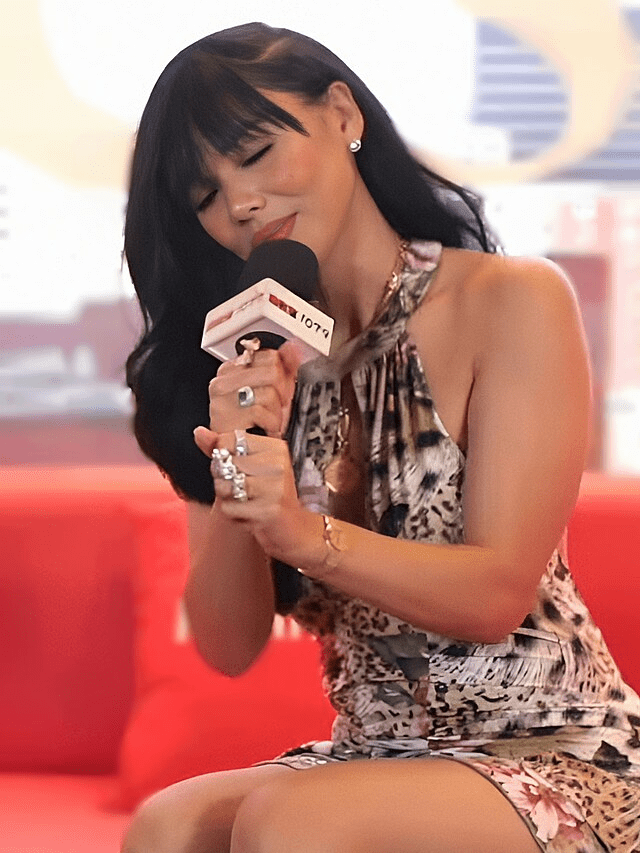
But what wasn’t promised in those nostalgic princess movies was heartbreak. To most, a teenage girl or woman experiencing heartbreak or soul-captivating love is just another life experience. Mariah The Scientist uses her music to convey how much more it truly is and the many emotions that come with the simple desire for love.
Mariah The Scientist, a contemporary R&B artist, uses her music to display vulnerability and the complexity of being in love, as well as the dangers and the indescribable joy.
Rising to fame in 2019 with her debut album, “Master,” which she wrote about her ex-boyfriend, Mariah explores the many emotions of betrayal and sadness following the breakup. This album opened up a safety net for other girls and women who’ve felt the exact same way but had nowhere to turn.
“Master” gained many fans, and she maintained her same standpoint on love and heartbreak within her subsequent bodies of work.
In 2021, there was “Ry Ry World,” which showcased the newfound love she had begun and also the desperation that came with being in love. In 2023, she released “To Be Eaten Alive,” an album about the ups and downs of her then-distant love. And most recently she released, “Hearts Sold Separately,” where she uses a metaphor of women being soldiers for love while men see women as “play soldiers” to throw around.
Mariah’s lyrics are what captivate the listener and make the song more than just a song, highlighting the relatable pain. She uses strong language in many songs that other artists shy away from.
Let’s take a look into her beautifully complex mind. In her song, “Reminders,” she explores the desire to harm her lover because of infidelity and the pain it left her with. “Memories of our dead garden, is it a crime that I planned to leave you in our Brooklyn apartment? It seems like it ended before it got started. Know that our parents called it, said I’d end up broken-hearted.”
Mariah’s beautiful lyrics come from her life experiences with love. The dangers of it, “Rainy Days,” and the beauty of it, “From A Woman.” The many emotions she feels, which are described and heard through her music, evoke a beautiful tragedy of the fantasy of love but also the hopefulness of the next life experience. But I can’t help but wonder, is love worth the possible destruction of heartbreak?
And again in her song, “Rainy Days,” where she writes/sings about the aftermath of being heartbroken. The sadness that comes in waves, where she can feel nothing but disgrace with the past. “Put forth an open heart and I’ve been hurt, looking back in retrospect, that ain’t what I deserve. Want it back in blood, and blood I’m going to get, and still I pray for love instead of common sense. I was trying to live with it. You can say I’m uninterested now. Fool me once, I guess that’s allowed. But fool me twice, well, I’m not as proud. To you, it seems insignificant. To me, everything’s different now.”
And lastly, “Burning Blue,” where she describes the love for her current boyfriend and the intense fight between staying because of love but also being ready to fight the blue flame. “As long as you’re a true (True) leader (Leader) Then I’ll oblige, promise to please ya (Please ya). But if you open fire, then it’s treason. And I decide to go out swinging. If you shoot, then you can bet, every single dollar and your last few cents, that I will too, and I mean it.”
PHILADELPHIA – It is difficult to say if there has ever been a game release as anticipated or as unexpected as that of “Hollow Knight: Silksong.” Made by a small independent game studio based out of Adelaide Australia, the game has sold over 3.2 million copies just on steam since it was released on Sept. 4.
With so much excitement stemming from the first game, “Silksong’s” announcement in Feb. 2019 was met with enthusiasm. By the time of its release earlier this month, Silksong reached almost 5 million wishlists on Steam, making it the most wishlisted game on the platform by a wide margin. But, the road to success has not been without bumps.
One of the things that defined the wait period for fans was silence. After a well-received demo at the E3 gaming convention, developer Team Cherry would post rare updates, with little information about the state of the game or expected release dates until May 2023, when one member tweeted about a delay from their anticipated 2023 release. A popular meme arose in the community due to the lack of new information where a picture of the game’s protagonist, Hornet, wearing clown makeup would be posted before any upcoming game showcase to poke fun at people getting their hopes up.
On Aug. 21, Team Cherry posted a two minute release trailer giving “Silksong”’s official release date, Sep. 4. The quick turnaround before the release surprised not only fans, but also other indie developers who intended to release their games in the same window. At least eight of these developers decided to delay their games instead of risking competition with “Silksong.”
“‘Silksong’ is a game we look up to with awe as developers and eagerly anticipate as players,” developer Sunny Side Up tweeted about their decision to delay their game, “Little Witch in the Woods.” “Given its immense influence, we fear that launching ‘Little Witch in the Woods’ on the same day would not only dishearten our dedicated team but also disappoint our devoted audience.”
Developer Necrosoft games said of their publisher Ysbryd Game’s decision to delay the release of their game “Demonschool” due to “Silksong,” “Dropping the GTA of indie games with 2 weeks notice makes everyone freak out. Ysbryd is being a good partner and paying for the delay.”
The game, “Hell is Us,” decided to keep to its Sep. 4 release day, with creative director Jonathan Jacques-Belletête saying “to shadow drop something like this is a little callous,” citing difficulties that would have arisen had the team decided to move their release due to “Silksong.”
“Hollow Knight: Silksong” received a 9/10 review from IGN and currently has a score of 91/100 on Metacritic. The game has been successful by all metrics, though only time will tell if it lives up to the standard set by its predecessor.
There are a billion different topics you can dive into under the Grateful Dead umbrella. The sound of different eras, Jerry Garcia’s ever-changing gear, the Wall of Sound, the Acid Tests and even deep dives into individual performances. You could write forever and still miss something; but beyond all that, you find something bigger. The Dead aren’t just a band, they’re a reflection of America itself–chaotic, realistic and imperfect. Yet, always moving forward, for the music never stops.
The makeup of the Grateful Dead is truly a masterpiece. You have a bluegrass banjo player on lead guitar. A folk guitarist playing rhythm. A classical composer picking up the bass. A blues harmonica player. An R&B drummer on one kit and a tribal-polyrhythmic percussionist on the other. All these different styles, techniques and sounds somehow coalesce into one experimental, evolving sound. That’s what feels so American about it, the beauty that comes from different genres, different backgrounds and varying voices mixing together to create something totally new.
That sense of freedom doesn’t stop at their sound. It carries over into how they operate as a band. They have never played the same show twice. There is no script, no routine, no chasing radio hits. Every night they showed up, read the room and figured it out as they went. That level of risk isn’t normal in music, but it’s exactly what kept things alive. You could see it early on with the Acid Tests, where they’d play with no setlist, no real plan, just sound, chaos, light and whatever happened in the moment. Each member had the space to do their own thing. Phil played bass like a lead instrument. Jerry took solos that wandered for ten minutes. Weir played rhythm parts that made no sense on paper but still worked. No one was boxed in. Everyone had a voice. That’s the most American thing about the Dead: the full embrace of individualism inside something collective. It wasn’t always clean, tight or perfect, but it was honest. And that honesty is what people connect to.
And then there’s the Deadheads. The people who make the whole thing move. They aren’t just fans, they are part of the infrastructure. They follow the band around the country, not out of obsession, but because it gives them something they can’t find anywhere else. A lot of them don’t even care what songs are played. It is simply about being there.
The parking lot before the show was its own city. People sold food, shirts, whatever they had, just to keep going. Nobody ran it, nobody really organized anything and yet it worked. That kind of loose, self-sustained community says a lot. It’s freedom, but it’s shared. There are no rules on how to be a Deadhead. You just show up and add whatever you have to the mix. That kind of openness, that ability to make something out of nothing, feels like a small version of what America always says it’s about.
Beyond the shows and the scene, the songwriting is what ties it all together. Robert Hunter and John Perry Barlow aren’t just lyricists, they are storytellers who helped shape the whole identity of the band. These aren’t typical rock songs. They are pulled from folk tales, cowboy ballads, old gospel lines and weird, dreamlike images that somehow made perfect sense if you just sat with them long enough. Hunter could write something simple like “Ripple” and make it feel like a life philosophy. Barlow’s stuff is sharper, more cryptic, but just as layered. It isn’t always obvious what the songs meant, but that was part of it. You could take your own meaning from them. The lyrics had space to breathe, just like the music did. That openness, that trust in the listener to figure it out for themselves, is another reason this thing has lasted.
Even after Jerry died in 1995, the band didn’t stop. Most bands fall apart without their frontman. The Dead just splintered and kept evolving. There was The Other Ones, then Further and eventually Dead & Company, which, somehow, ended up being more than just a nostalgic act, and has just turned 10-years-old. John Mayer joining Bob Weir sounded like a punchline at first, but he took it seriously. He respected the music, learned the language, and brought his own thing to it without trying to be Jerry. That move extended the whole lifespan again. Now they’re playing multiple runs at the Sphere, one of the craziest venues in the world, and still pulling in new fans. That’s the legacy. Not just the music, but the way it’s lasted. The Grateful Dead didn’t chase relevance, they built something that could shift and stretch over time. That kind of “staying power” feels like the most American thing of all. Reinvention, survival, movement. 60 years in and it’s still not over.
DISCLOSURE: This article was written on April 21 and may not reflect the newest tariff information.
Nintendo’s newest generation console, the Nintendo Switch 2, is set to release on June 5. However, the current situation of the global economy leaves fans worried about prices.
The console is set to release in a bundle with Mario Kart World for the price of $449.99 in the United States. This is more expensive compared to the console’s predecessor, the Nintendo Switch (or the Nintendo Switch 1), which cost $299.99 at launch.
Along with the higher prices, fans fear that costs will increase from the heightened tariffs by the Trump administration. X user @AngryJoeShow said, “[President Trump] just put 24% [tariffs] on Japan & 46% for Vietnam, 49% Cambodia respectively where Nintendo manufactures.”
There is also confusion regarding how tariffs will apply to the video game industry. According to Polygon, video games “fall under a trade classification for toys, not technology.”
These price concerns were especially prominent when pre-orders for the console were delayed because of tariffs. Many gamers took to social media to express their thoughts on the matter. When responding to an X thread about the topic, user @BlazeRN617 said, “about to see a lot more crying when they have to raise the price.”
However, on April 18 Nintendo announced that pre-orders would become available starting April 24. Additionally, the console, bundled console, Mario Kart World and Donkey Kong Bananza will remain the same price at launch. The Nintendo Switch 2’s accessories will “experience price adjustments,” said Nintendo. “Other adjustments to the price of any Nintendo product are also possible in the future depending on market conditions.”
The costs of the console could have a global impact. “Switch 2 in Japan will have 2 different versions,”according to Nintendo’s Japanese website as reported by the X user @Genki_JPN. “Japanese Language Only version at ¥49,980 ($334)” and “Multi-language system at ¥69,980 ($467).” The Japanese Language Only version is region-locked, only allowing the system to connect with Nintendo accounts set within Japan. User @NonCriticalHit responded to the post saying, “Wanna save money? Time to bust out that Duolingo!” Another user, @junderwood4649 described the console as a “Chaotic Good move by Nintendo,” explaining that it will prevent international scalpers from taking advantage of Japan’s weaker yen.
Visit Nintendo’s website for any new news regarding the Nintendo Switch 2 and any future price changes.
Making movies is a long process that takes many months or even years to complete, oftentimes becoming straining on the actors and actresses involved with the project. War on the other hand is a drawn out conflict between two nations or states that spend years on gruesome battles, political unease and near genocide so that one combatant can out beat the other. Blending the two things together is a hard task. Recreating the environment that war brings is a difficult feat that affects not only those involved, but the viewers watching because of the monstrosities of the subject matter. In the words of Gunnery Sergeant Hartman from “Full Metal Jacket,” which embodies what it means to become a soldier, “Let me see your war face!”
Stanley Kubrick’s “Full Metal Jacket” is a 1987 Vietnam War movie that blends dark comedy with the atrocities of war, from its beginnings at bootcamp to the horrors of what it means to actually be a soldier. Mathew Modine played the film’s lead, Pvt. Joker, where he later published a book called “Full Metal Jacket Diary” that describes the grueling repetitive takes, the psychological toll and Kubrick’s demanding approach of creating the warfare that went on at the time. In the book, he explained that R. Lee Ermey’s boot camp training they endured was an emotional introduction to the start of filming where he later got the part of “Gunnery Sergeant Hartman” after originally being a technical advisor. Ermey’s legendary performance was largely unscripted and based on his time as a former Marine drill instructor, bringing an authenticity to the soldiers’ time while in the first part of the film. On top of Ermey’s intense performance, Vincent D’Onofrio transforms into “Pvt. Pyle” by gaining 70 pounds for the role and embracing the madness of what his character had gone through in the earliest stages of war.
Considered one of the most grueling and disastrous movies to make of all time, “Apocalypse Now” turns Joseph Conrad’s “Heart of Darkness” into a Vietnam War epic about a United States military captain that is sent to kill a rogue colonel that sees himself as a God-like figure. Francis Ford Coppala had this jarring task of creating the Vietnam War as accurately and as realistically as he could, putting his actors and crew through the ringer. The movie lead, Martin Sheen, suffered through a patch of mental illness as the director pushed him to the breaking point by making sure he was drunk in almost every scene which led to him to suffer from a nearly fatal heart attack during the opening scene. Other actors were intoxicated off of drugs while filming to help them embody what some of the soldiers went through while they were on them. The legendary actor Dennis Hopper had a daily drug and alcohol routine that could have killed him, while Sam Bottoms was taking huge amounts of LSD and marijuana to encapsulate his own performance.
In “Saving Private Ryan,” the most prolific scene that the movie has to offer is the opening D-Day scene that has become arguably the most accurate depiction of the Normandy landings to date. Some soldiers that were there on June 6, 1944 would have sudden outbursts of PTSD because of how accurate the sequence truly was. Tom Hanks, who played Captain Miller, saw Omaha Beach as a “holy place” after the filming finished. Compared to his other actors on set, he was one of the few to make sure everyone had finished their bootcamp training for the film, which everyone looked back on very fondly.
The filming of the World War II tank movie, “Fury,” affected all of the actors involved. All of the main actors spent the first few weeks before filming getting to know each other in a training camp that was meant to make them feel miserable, leaving Logan Lerman out because he would be the newcomer to the crew. In the words of Jon Bernthal, he became inspired by the fact that a 50-year-old Brad Pitt got even happier as the filming got tougher. Shia Lebouf on the other hand lived up to the hype as a true method actor by getting his tooth pulled and slashing his face so he can have an open wound throughout the duration of filming. The actor even went as far as to not shower in the four months of the shooting process, reportedly being moved to another hotel away from the other actors due to the smell.
When it comes to war in film, it becomes a straining and tedious process to recreate the devastating effects that come out of the conflict. Whether it’s World War I, World War II, the Vietnam War or even the Cold War, there are a plethora of movies out there that embody those individual wars in the best ways possible. The four movies that were referenced are just a glimpse into how these movies have affected the actors involved through preparation, their way of living and the mental toll it had on most of them.
The end of the semester is rapidly approaching and that means warm weather and live music. There are many great concerts coming to Philly this first half of the year, from both old and new artists. Hopefully, the ticket wars won’t be as bad for these ones.
Tyler, the Creator
I am not currently selling two tickets to see Tyler the Creator and hacked into a GroupMe chat, but I can tell you that you may still have time to snatch some. Chromakopia: The World Tour kicked off early last month and is expected to reach Philadelphia on July 5 and 6. The tour will follow his eighth studio album but will include some fan favorites including “earfquake”.
Rauw Alejandro
Elegant in Black. That is the theme for the Latin Grammy winner and Puerto Rican star, Rauw Alejandro’s new tour. The Cosa Nuestra tour will follow his fifth studio album by the same name and debuting as #6 on the Billboard 200. The album features a classic blend of salsa and reggaeton, featuring a collab with the Latin legend Romeo Santos. The Cosa Nuestra Tour will be coming to the Wells Fargo Center on May 15.
One Ok Rock
One Ok Rock is one of the best-selling rock bands coming out of Japan. The group debuted in 2005 and has continued to sell out tours across Asia and Europe. Their new album delves into a heavier rock sound while still maintaining the essence that makes One Ok Rock so interesting. The Detox North American tour will follow their 11th studio album, which includes songs in Japanese and English. The singles “Delusion:ALL” and “Puppets can’t control you” have been the highlight for many fans. The tour will be reaching the Philly area at the Prudential center on May 30.
Ghost
👻 The Swedish rock band is known for their elaborate performances and experimental music. Their untitled world tour is set to begin in North America this summer landing in Philly on July 19 at the Wells Fargo Center. They are a controversial but intriguing band for which any expectations are impossible to set. Despite their controversies, they have been nominated for multiple music awards and won a Grammy for Best Metal performance in 2016.
Beyoncé
The Queen Bee is back with “Cowboy Carter,” winning best album of the year and best country album at the Grammys earlier last month. Her album explores and experiments with traditional American music while highlighting the influence of African Americans on the country music scene. The tour is set to span across multiple days at the MetLife stadium beginning May 22.
Beyonce via Wikicommons
Metallica
The best-selling American heavy metal band is coming back with their M72 World Tour which follows their 11th studio album by the same name. Playing across three days at Lincoln Financial Field, the band continues to go strong with old and new fans. In addition, the sets for each day will be different and will have different opening acts including Limp Bizkit and Ice Nine Kills.
Keshi
Casey Luong, otherwise known as Keshi, is a Vietnamese American alternative R&B artist that has been on the rise since he first started releasing music on SoundCloud in 2017. He is currently on his third world tour showcasing his second full-length album, “REQUIEM,” which debuted at #27 on the Billboard 200 in 2024. Coupled with a live band and raw vocals, Keshi’s performances leave fans electrified and craving more. His music has become a staple for R&B, indie and alternative music lovers. His discography is sure to have something for your every mood. He will be hitting Philly at the Mann on July 27.
Kendrick Lamar and SZA
Two American stars will be collaborating for their Grand National Tour in Philly at the Lincoln Financial Center. The tour will follow Lamar’s sixth studio album “GNX” and will feature hits such as “All the Stars”, “Humble”, and “Kill Bill”. “All the Stars” was nominated for best song of the year at the 2019 Grammy Awards and was nominated for best original song at the 76th Oscars. The duo will be performing on March 5.
Good luck to everyone getting tickets to these wonderful acts.
It has been a dramatic oscars season, with controversy surrounding the star of the most nominated film of the year, “Emilia Perez” and her old tweets. Additionally, several Oscar voters admitted they had not watched Dune: Part II, or that they did not vote someone for best actor believing he already had one. But now that the ceremony has come and gone, it is time to look at the real winners this awards season.
The biggest winner of the night was “Anora,” a dramedy following a young sex worker who gets married to the son of a Russian oligarch, with five Oscar wins. The film won best picture, with director Sean Baker taking home best director, best original screenplay and best film editing. The star of the film, Mikey Madison, also won best actress.
Cast of Anora via Wikicommons
“The Brutalist,” a historical drama following an architect who leaves postwar Europe to rebuild his life in America, won three Oscars: best cinematography, best original score and best actor for star Adrian Brody.
The sci-fi epic “Dune: Part II” took home two Oscars for best sound and best visual effects.
“Emilia Perez,” the controversial musical film about a Mexican cartel boss who transitions into a woman and tries to escape her old life, won just two of the 13 Oscars it was nominated for, with “El Mal” taking home best song and Zoe Saldana winning best supporting actress.
“Wicked”, the film adaptation of the hit broadway musical about the Wicked Witch of the West won Oscars for best costumes and best production design.
Kieran Culkin won best supporting actor for his role in “A Real Pain,” the story of two cousins touring Poland to honor their deceased grandmother.
Best documentary feature film went to “No Other Land,” a film about the destruction of hamlets in Palestine’s occupied West Bank made by a Palestinian-Israeli collective.
Best documentary short film was won by “The Only Girl in the Orchestra”, the story of the first woman to become a full-time member of the New York Philharmonic Orchestra.
Animation saw a bit of a shakeup, with the Latvian animated film “Flow,” created by the small independent film studio Dream Well beating out films by big names like Disney and Dreamworks for best animated feature film. The movie follows a cat displaced by a flood who finds a new home aboard a large boat.
“In the Shadow of the Cypress,” an Iranian short film about a former sea captain with Post Traumatic Stress Disorder and his daughter took home best animated short film.
Best writing (adapted screenplay) went to “Conclave,” the story of a catholic cardinal who discovers secrets during the process of selecting a new pope.
Best live action short film was won by “I’m Not a Robot,” which follows a woman who spirals into an existential crisis after repeatedly failing a CAPTCHA test.
And last but not least, “I’m Still Here,” a Brazilian film following a woman’s fight to uncover what really happened to her missing husband.










 The La Salle Collegian