Benefits of Yoga

Health and Wellness

Skylar Maurice, Staff Writer

Yoga can be seen as a calming activity. It is a practice that involves contemplative movements and can be done indoors or outdoors. It is something that has numerous benefits including improved flexibility, balance, strength, bone health and sleep.

According to Verywellhealth, one of the benefits of yoga includes an improvement in a person’s flexibility. Muscle tightness can be decreased through yoga that is low in impact as well. Older adults can benefit from yoga to prolong flexibility loss as they get older. A study had a finding that discovered that routine practicing of yoga can improve flexibility, especially those older than 65 years old. 

Another benefit mentioned is an improvement in a person’s balance. Numerous poses for yoga required balance. A majority of seniors falling are a result of losing balance. This is specifically true for those in nursing facilities. Further research is required to determine if older adults benefit from yoga.

Furthermore, strength is an additional benefit seen from yoga. The process of going through yoga exercises aids in increasing strength. Hatha yoga can arguably enhance strength for adults and children. People that have chronic diseases and adults that are older can better their strength as well. It can be increased through routine sessions of yoga.

Moreover, another benefit is an improvement in one’s bone health. Age causes people to eventually lose bone density. The loss of density in your bones is something that can increase the risk of falling and having fractures. Some yoga poses improve a person’s bone density. These poses are ones that require strength, an example being the lunge.

In addition, a person’s sleep can benefit from yoga. People may have issues with staying asleep or trouble falling asleep.Yoga is something that can better a person’s level of stress and has a peaceful effect.According to greatergood.berkeley, about 36 million people routinely practiced yoga in the United States. Many of them practiced a type of yoga that originates from Vedic yoga, calling for postures that are basic. The names for them include bow pose, cobra, fish and locust. It is a type of yoga that requires instructing patterns in terms of breathing, as well as stressing the importance of being mindful.

Ways to avoid getting sick

Health and Wellness

Skylar Maurice, Staff Writer

Fall has arrived and is a time where we do many activities both in and outdoors. As the season changes, it’s important to understand how to avoid becoming sick. The main causes of sickness are infectious bacteria and the ability to pass it to people, as well as bugs that do well in cold environments. According to Ezell, there are basic things that we can do to remain in good health.   

One of these things includes covering your mouth during a sneeze or cough. Getting enough sleep in your daily life is also another action you can do to stay healthy. Eating healthier foods if you end up getting the cold or flu and consistently drink fluids is recommended as well.

In addition, flu shots yield importance in terms of virus strains. Every shot per year helps protect people from viruses and people who are recurrent. Statistically speaking, the shot can decrease your flu risk from 40 to 60%. Doing these things can aid in having an enjoyable and illness free fall season. 

One of the most basic things you can do is washing your hands. Washing your hands does not have to be limited to where you are. After you return to your home, it is a beneficial time to wash them after being out. Doing simple things like preparing food and doing chores are also times in which you should wash your hands beforehand. The CDC recommends washing your hands for 20 seconds.

Furthermore, according to MSN, if soap and water are not available to you, hand sanitizer is acceptable and should contain 60% alcohol at the very least. MSN also stresses the importance of getting vaccinated. Being vaccinated helps people avoid being seriously sick. Specific vaccines that are recommended include the Covid and flu shot.  A person’s age and health conditions play a role in when you’re recommended to get vaccines. The RSV vaccine is recommended for people sixty years and up that have a condition that is chronic, such as lung disease.

Moreover,it is recommended to make choices in your life that are healthy. This includes specifically sleeping for a minimum of seven to eight hours. Sleep encourages your immune system to stay strong in order to fight off sickness in your body.

In the workplace, the CDC recommends that objects that are touched on a regular basis need to be cleaned. These objects include things like a keyboard, your phone and doorknobs. It is suggested to find out your employer’s plan if an outbreak occurs and making sure that the place you work has a good amount of products like wipes, soap and tissues. It is also ideal to find out if there are vaccinations on-site in your place of employment. The CDC encourages staying at home if one feels like they are ill. This is done to prevent someone else from becoming sick.

Staying warm and healthy this winter with tea

Health and Wellness

Kelsey McGovern, Staff Writer 

Staying warm and healthy is important this upcoming winter, and tea supports both of these needs! It has a variety of health benefits that range from helping with sleep to fighting off cancer. Different kinds of tea include white tea, herbal tea, green tea, black tea and oolong tea. Each teatype provides distinctive health benefits. Let’s explore each variation and how it can help us stay healthy, according to Penn Medicine who gives specific evidence as to how each tea meets our body’s needs. 

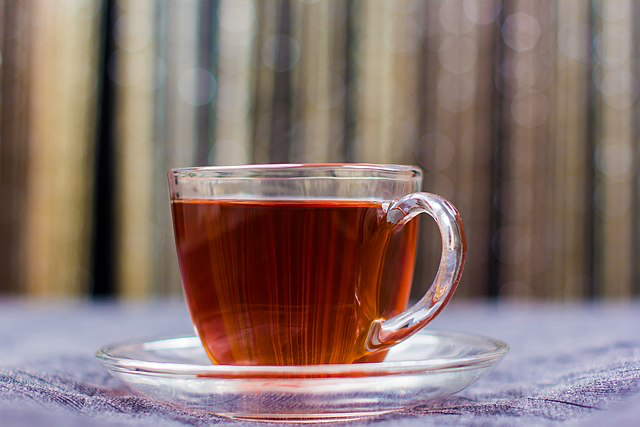
Red Tea via WikiCommons

White Tea

White Tea comes from a plant in China and India called the Camellia sinensis plant. It offers a pleasant taste and antioxidants that help fight cancer. White tea contains fluoride, catechins and tannins, which build tooth tolerance against sugar and strengthen the teeth’s ability to combat plague. Caffeine is very low in white tea. 

Herbal Tea

Herbal tea is known for its calming effects. It contains a blend of herbs and various plants, and it has no caffeine. Varieties include chamomile, rooibos, peppermint, ginger and hibiscus. Chamomile tea helps reduce menstrual pains, stress and improves sleep. Rooibos aids with allergies, lowers bad cholesterol and boosts health and skin. Peppermint tea alleviates stomach issues and migraines, while ginger tea helps relieve morning sickness, indigestion and joint pain. Hibiscus improves liver health and fights off unhealthy cravings as well as kidney stones. 

Green Tea

Green tea comes from China and is created through processing the leaves through heat. It can boost heart health, lower bad cholesterol and reduce blood sugar. This tea can help clear acne as well as assisting in fighting cancers such as liver, breast, colorectal and prostate cancer. Matcha green tea is said to contain more antioxidants than regular green tea; one cup of matcha is equivalent to 10 cups of green tea. In matcha, the leaves are ingested, contributing to its higher antioxidant content. 

Black Tea

Black tea is made from the same leaves of the Camellia plant but is dried and fermented, containing caffeine. Black tea helps support a healthy immune system and helps lower inflammation. It can be consumed or steamed and can be put on cuts or bruises to reduce pain and swelling. Poison ivy or other rashes can be helped with a black tea bath. 

Oolong Tea

Oolong tea comes from the same plant as green and black tea. This tea is processed between green and black tea, not oxidizing too little or too much. It is known for lowering anxiety and enhancing alertness due to I-theanine. Parkinson’s and Alzheimer’s disease may be prevented by drinking oolong tea, as well as decreasing type 2 diabetes. 
For more information about tea and their benefits, visit The Power of Tea: 100 Health and Wellness Benefits. This winter, consider substituting coffee in the morning and try boosting your health by drinking tea!

La Salle University opens first ever “Fueling Station”

Health and Wellness

Sam Klein, Editor

Food is fuel, a fundamental principle ingrained in the minds of all collegiate athletes. One athlete in particular, however, took this ideology based on the relationship between nutrition and performance to the next level. 

Senior nutrition major and member of the La Salle Women’s Lacrosse team, Katie Johnson, opened what is called the “Fueling Station” on the first floor of Trumark across from the Hall of Athletes. The intention: provide additional fuel to student athletes in an environment surrounded by food insecurity and a lack of resources. 

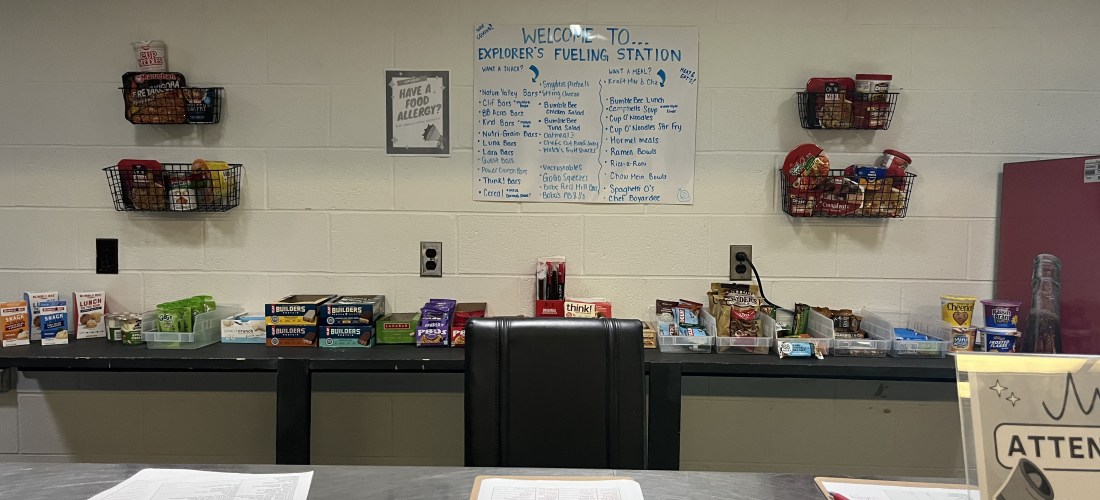
Fueling Station via Sam Klein

Johnson collaborated with the Nutrition Department, as well as Sam Kilpatrick, a member of La Salle’s Strength & Conditioning Staff, to combat the financial, time and housing constraints that impact student athletes at La Salle from getting the proper nutrition needed to fuel performance. Meal plans are available to student athletes on the Explorer campus. However, practice schedules might limit feasibility of fuel, in addition to the financial component that drives dining hall access. 

Johnson’s goal is to “fill the gap that was once empty regarding an athlete’s caloric needs and nutrient demands,” taking a positive step toward minimizing financial and time related concerns. The station is stocked with a variety of protein bars, protein shakes, “heat & eat” meals and numerous high-carb options such as oatmeal, pretzels and applesauce.  

Although nutrition serves as the fundamental goal of the fueling station, Johnson describes the project as a “resource” for student athletes, one that extends far beyond the food itself and into the educational opportunity it provides student athletes. The fueling station is run primarily by dietetics students who are well-versed in the realm of nutrition and can provide student athletes assistance in nutrition-based questions and concerns and overall help implement beneficial nutritional habits into the everyday lives of La Salle’s athletes. 

Open from 6-9 a.m. and 2-5 p.m. Monday through Friday, the fueling station is open to all student athletes in need of a quick meal or snack, despite the sport or fueling circumstance. Over the past six weeks that the fueling station has been open at La Salle, it has already seen the vast impact nutritional opportunities can have on student athletes. 

Junior attacker on the Women’s Lacrosse team, Emi Waldron, describes the fueling station as “extremely beneficial” for the opportunity it provides to fuel her body during the busiest times of the day, of which she would normally neglect making time for proper nutrition. 

“I can’t perform on an empty stomach, so the fueling station has allowed me to quickly get food during the busiest times of my day,” Waldron said, as she recounted using the fueling station in between class, practice and lift. 

However, it isn’t just residential students who benefit from the fueling station’s resources, but commuter athletes as well. Sandu Zama, sophomore commuter on the La Salle Men’s Soccer team, is a regular at the fueling station. 

“I feel like the fueling station is a step in the right direction for our athletic department,” Zama says. “As an athlete, I find it is an asset, and as a commuter who wakes up at 5 a.m. for practice every day, I use the fueling station as a substitute for breakfast some mornings.” 

A step in the right direction is the perfect way to describe the fueling station according to Johnson. “It represents progress and change for the betterment of La Salle Athletics and the quality of life for La Salle student athletes.” 

The potential impact of the fueling station is astronomical, and for athletes such as Johnson, Waldron and Zama, success is already being found. To follow along with the fueling station’s journey in aiding student athletes, follow @explorersnutrition on Instagram for updates and additional resources. 

How to: start the school year off strong- a note from the editor 

Health and Wellness

Sam Klein, Editor 

Another academic year is upon us here at La Salle, and while you may be a freshman just beginning your collegiate career, or a senior eager to end it, this is a note for all Explorer students. I believe there are difficulties that arise each year as a student, and misconceptions surrounding college life create expectations that only worsen these already burdensome standards. It is not only first year students that are adjusting to a world full of unknowns this fall that need to read this, but second years who might be as homesick as they were in their first, juniors who question if they chose the right major and seniors apprehensively looking into the future with a combination of fear and desire for what is to come. Let me provide you the reassurance you need, and the manifestation of positive energy for the upcoming year. 

1.     No one knows what they’re doing 

Even if someone tells you that they know what they’re doing, or what they want, they do not. Oftentimes, those who appear the most put together are lost too. It is cruel the way society expects an 18-year-old to choose a school, pick a major and study for a career in a field they will work in for the rest of their lives- or so, that is how the system is set up. Rarely, however, are our choices in life permanent. What 18-year-old you wants might not match the desires of a 22-year-old you or the career goals of a seasoned employee at 35. Thankfully, there is always the opportunity to pivot and continue. It is more than okay to not know what you want or to change your mind numerous times before settling on a decision that leaves you feeling content and purposeful. In this way, life is a ballet. You can take leaps of faith, get turned around so many times, but somehow finish on two feet with your head held high. Isn’t that beautiful? Isn’t it remarkable that we get the chance to choose exactly who we want to be; that this is the first and only life we are given, and it is our own to design? 

2.     You are right on time. You are not falling behind. 

Everyone is on their own timing. Some might be walking at a brisker pace, others sprinting towards the horizon. Some paths might intersect, momentarily, and then depart once again. But your path is strictly your path. It does not matter if you are crawling along it, skipping or walking backwards. Comparison is well known as the thief of joy. No one gets a medal or a special prize for figuring things out first- whether that be making new friends, finding an internship, choosing a major. You will get there, perhaps not on the timeline you anticipated, but the timeline your path called for. This calling might come in the form of a whisper or a shout right in the face, and despite its volume, it will not lead you astray. 

3.     The opportunity to be who you want to be starts today, with you. 

When you were younger, you were probably asked the question, “What do you want to be when you grow up?” To that I imagine many responded, “A teacher!”, “A firefighter!”, “A doctor!,” but have you asked yourself that question recently? What do you want to be? Perhaps the answer to that question has changed since you initially answered it a decade ago. Maybe now instead of a firefighter you simply want to be happy or someone that makes even just one person smile every day. It is possible that “future teacher” now wants to start a podcast about sports or write a romance novel. This question isn’t limited to young dreamers, but extended to the present, to the “future self” a younger you imagined when answering this question. After all this time, maybe the answer is still the same; nevertheless, I propose a new question: What are you going to do about it? Perhaps you are in school to fulfill that dream of becoming a doctor, but it’s possible what you want is within reach right now. You just want to be happy? What are you going to do about it? That book you’ve wanted to write- why are you waiting? College can serve as an incredible gateway opportunity to accomplishing these dreams, but do not let it diminish your efforts to fulfill others. Right now, we have the privilege to make mistakes and learn from them in a setting designed for us to simply “try again” when we fail. Use that to your advantage. 

4.     Your soul is a cup, fill it. 

Life is merely too short to continuously put yourself in situations that do not serve you. Taking care of you is a full-time job, do it well. Remove yourself from negative energy and replace it with people and things that ignite a fire within you. Your soul cannot function on an empty cup. Sometimes we neglect the things that make us happy because we are afraid of the judgment it might entail from others. While selflessness is a noble trait, you have to be your own biggest supporter. You do not need to justify doing what makes you happy, even if that means not thinking of others or letting go of things that once did fill your soul. You are allowed to be exactly who you are and who you want to be. It says more about those who do not see it that way than it does about you. 

5.     Empathy is your best friend. 

Remaining kind through adversity, long nights, and bad days will follow you way past your collegiate career. It is an important skill to carry into life for the sake of others, but also for your own sanity. Everyone has their own baggage and problems, so perhaps when you want to ream out a professor for taking weeks to grade a paper, ask yourself, “What are they dealing with that is making them take so long?” Instead of getting annoyed with a roommate for acting distant, ask the “why?” The explanation might not be justifiable for the action, but at least you chose empathy first. This pertains to the self as well- being understanding of your own intrinsic circumstances and struggles that might be affecting your school performance or social dynamics. It is so easy to be our own worst critic that it would benefit everyone to reflect on their own “why?” and cut themselves some slack. 

Good luck this year. At the very least, know you have one supporter in your corner cheering you on. I see you; I recognize the perseverance to push through despite any hardships, and I am endlessly proud of your desire to succeed.

Finals tips and tricks 

Health and Wellness

Sam Klein, Editor 

The birds are chirping, the sun is shining and the motivation to study is decreasing with every increase in the UV index. As the spring 2024 semester wraps up in unison with the trees reaching full bloom, the desire to finish papers, study for exams and culminate beautiful final projects dwindles with summer quickly approaching. To help combat the pining for fresh air and instead replace the yearning for rays with straight A’s, here are some tips and tricks to stay moving, motivated and mindful. 

Take Frequent Breaks 

According to Cornell Health, taking frequent, purposeful breaks ranging anywhere from 5-60 minutes are effective for refreshing the brain and increasing focus, furthermore allowing you to be more productive. However, the study emphasizes using social media isn’t a beneficial use of your time and provides meditation, cooking, taking a shower or cleaning as activities for a break time well spent. It’s easy to fall into the routine of pulling all-nighters or studying for hours on end, especially in a culture that encourages a fast-paced lifestyle; but, it is imperative to give your brain a break to achieve the most productive studying possible, of course coupling breaks with strategic time management and planning. Plus, you deserve time for you away from a laptop or without your nose in a book; you are human, after all.

Change study locations 

Changing scenery can positively affect your mood and motivation due to your subconscious perception of familiar spaces. Oftentimes, it can be difficult to focus in a place where your body is used to resting, like your bed, or accustomed to being social, like a dining hall. Perhaps start at the library in a quiet place for a few hours, take a purposeful break and continue studying in a local coffee shop when you feel re-energized. The University of Miami conducted a study on participants to track their moods in relation to the number of different locations they visited per day. The results of the study proved that people who traveled to a greater number of places reported feeling happier, more relaxed and more attentive. Who can turn down such positive vibes during what can be a stressful time? 


Discover the best study method for you

There are endless ways to study information for an upcoming exam, or prepare for any daunting deadlines. In the same way, you cannot force a square peg into a round hole, you cannot be successful using a method that doesn’t work for you. Perhaps making tangible flashcards or an online Quizlet alternative helps, or maybe rewriting your notes is what jogs your memory. For one person who may find it useful to make practice tests, another person may enjoy drawing out a mindmap. Check out this list of potentially effective methods, or take this quiz to see what is best for you!

Make time to move 

Yes, it’s important to buckle down, finish your assignments and make the most of what is seemingly very little time during finals week. However, it is equally important for both your mental and physical health to keep your body moving. While this can be done during designated purposeful breaks, it can also be integrated as a part of your studying. Bring flashcards on a walk with you, or call a friend to help quiz you on material, especially if you are in the same class. Go for a run to brainstorm final project ideas, or count the number of questions you get wrong on a practice test and use this as a number of reps for the exercise of your choice. For every hour of studying you do, allow yourself a five minute dance/stretch break. While these might seem silly, and the movement per option in varying capacities, it is not only your brain you want to exercise during finals week, but your body too. Moving your body has been proven to help memory and recall, not to mention increase serotonin and dopamine production in the brain, benefitting you in countless ways. 

Despite these tips/tricks, I understand finals can still be quite stressful and mentally taxing. From one anxious college student to another, you’ve got this. I wish you the best of luck on finals, and a safe, happy and healthy summer ahead! 

How to: meditate 

Health and Wellness, Uncategorized

Sam Klein, Editor 

While life itself is a beautiful gift, it can oftentimes become stressful. In the overwhelming moments where it feels impossible to inhale positivity and exhale tension, taking a few minutes to practice mindfulness can be crucial. Meditation, a concept that has been around for hundreds of years, intends to train the mind and calm the soul. While meditation isn’t for everyone and requires practice to retain peak benefits, here is a simple guide to get started to ease the stress that everyday life can cause. 

Set aside time and space 

Perhaps you find yourself tense due to an impending deadline or daunting exam, and excess time in your day is sparse. However, prioritizing time for a healthy mind is not only important, but easy. Meditation only takes about two to three minutes, but can take longer if you have more time to donate to the practice, or simply choose to. Find a space that you feel comfortable in, one with an atmosphere that will maintain a sense of peace throughout the process. Perhaps this spot is your bedroom, a living room, outside, or even in your car. With a time and space designated, mediation can begin.

Concentrate on body positioning 

Once you’re in an environment that you feel comfortable in, it’s important your body itself is equally as comfortable. Sit, lay, do whatever it is you need to in order to fully relax your muscles and ease any existing tension. If sitting, it might be helpful to have something against your back to lean on, so you don’t add extra pressure on your body to remain upright. Similarly, if you are lying down, something to support your neck could be effective. Loosen your hands and feet, drop your shoulders, and pay careful attention to how grounded you feel in the given moment.

Focus on your breathing 

When practicing mindfulness, one should focus primarily on their breath. It can be encouraged to either not try and control your breathing and rather pay attention to each inhale and exhale as they naturally occur, or perhaps practice deep breaths to improve concentration and overall relaxation. No matter the method, it is important to focus on each individual breath as it enters the body, and how it feels to let that air go. Focus on the way your shoulders loosen, how your jaw unclenches, and how your tongue releases from the roof of your mouth as you exhale. Perhaps count your breath or allow your mind to go as blank as possible. 

Be kind to yourself 

The body is said to work on autopilot 95% of the time, according to Mindful, and meditation counteracts this natural reaction. It’s hard to control the thoughts that pass in our mind, so when the mind wanders, return it back to your breath. As focus is lost or shifts, return it to each inhale and exhale and pay careful attention to the way each breath feels. During this period of meditation, it can be hard to keep your mind in one place, especially if you’re meditating due to stressors that are placing tension upon you. Acknowledge the feeling but allow it to pass. Don’t give up the process just because it doesn’t come naturally.

Make the process habitual 

Meditation serves numerous short-term benefits to the nervous system according to Gaiam including lower blood pressure, lower heart rate, improved blood circulation, lower blood cortisol levels, and inherently less stress and anxiety. As a result, mediation should be practiced on a regular basis to become easier and result in these positive benefits. Meditation can be uncomfortable at the start but will grow more natural with practice. Using a guided meditation on YouTube, utilizing apps such as “Headspace,” or simply listening to calming music could assist in focusing the mind. No matter the approach you take, you are prioritizing calming a crowded headspace and should be proud of that, for everyone deserves a mind at ease. 

Eating Disorder Awareness Week 2024: things to know and keep in mind

Health and Wellness

Emily Allgair, Editor-in-Chief

This week, February 26 through March 3, is Eating Disorder Awareness Week. Being on a college campus, where four out of ten students report having or knowing someone who has an eating disorder, it is important to keep in mind the different triggers, signs and resources for those struggling with eating disorders and disordered eating.

Society itself is fat-phobic, so living in a bigger body can oftentimes be scary. If you find yourself struggling with an eating disorder, disordered eating or even body image, you might find yourself asking “what can I do for myself?” in reference to weight stigma, fat bias and diet culture. I had the opportunity to sit down with Bridget Shertzer, MS, LPC, the Site Director at The Renfrew Center to discuss these issues and how to help build emotional tolerance in the face of these issues.

The “transitional years” of life, such as when someone is going through puberty or moving into college, are often the time when people are at the highest risk of developing an eating disorder, with ages 17 to 23 being the age range at most risk. Although women and girls are often the ones associated with disordered eating, men also experience these issues. They often fly under the radar when struggling with eating disorders, especially college athletes.

As for what to look for in terms of the different signs and triggers, there is no universal experience when it comes to eating disorders and disordered eating. Overall, however, there are certain things that can hint at these issues, whether it be physical, mental or emotional signs. Physically, fluctuating weight (both losing and gaining), struggling with energy levels and sleep hygiene, as well as cardiac issues can hint at issues with eating. Mentally, some signs include issues with body image, hiding food and eating in isolation. Emotionally, depression and anxiety are likely to increase, as well as feeling the need for perfection. 

Shertzer described the recovery process of eating disorders as very similar to the five stages of grief: “I’ve found in my experience that patients go through all five of those stages [denial, anger, bargaining, depression and acceptance] not in a linear way. Much like grief, you’re bouncing between them, often.”

Like Shertzer said, recovering from an eating disorder is far from linear. While acceptance is often thought of as the ultimate goal in recovery, it might be easier to reach the thought process of “I know what’s happening and I can’t change it, but how can I continue to live according to my values?”

This year, The Renfrew Center is launching a new campaign to share the mission of Eating Disorder Awareness Week called “In My Empowerment Era.” Getting to the heart of eating disorders, In My Empowerment Era respects that every person can go through recovery at a different pace, allowing those who struggle with eating disorders to reflect and celebrate their personal recovery process.

The three areas that Shertzer and the Renfrew Center recommend focusing on during recovery include mindfulness, self-acceptance and empowerment. For everyday mindfulness, try using your five senses; connect with what is around you and let it try to ground where you are mentally. To empower yourself, it is recommended to get involved in things that interest you, especially in spaces that are anti-diet culture, weight culture and fat bias. Social media can be tricky, but it is important to keep in mind that your algorithm is defined by you. Try following body neutral and anti-diet culture accounts, curating content that aligns with who you want to be. Surrounding yourself with the type of messaging that best aligns with your personal beliefs and goals will ultimately help you in your recovery journey. 
If you or someone you know is struggling with an eating disorder, don’t hesitate to reach out. Here at La Salle University, the Student Counseling Center offers individual counseling, psychiatric consultation, crisis intervention and outreach and referral services. As for The Renfrew Center, there is a weekly national college support group who meet on Tuesdays from 3:30 p.m. to 4:30 p.m. free of charge. They also offer free assessments where they offer recommendations for what might be helpful for the inquiring individual. The Renfrew Center supports 450 commercial insurances, and tries to move through financial barriers as best they can. For more free content, please visit The Renfrew Center’s website.

How to: plan for Valentine’s/Galentine’s Day 

Health and Wellness

Sam Klein, Editor 

This February 14, embrace a day of love by celebrating with the people you love! Below is your guide to any sort of celebration this Valentine’s Day, from party planning to fashion, all the way to gift ideas, creating for a heartfelt, joyous and lovely day! 

via WikiCommons

Plan to the theme: 

In the same way Christmas has its tree, St. Patrick’s Day has its shamrock and Easter has its bunny, Valentine’s Day is meant to spread love using red and pink hearts! Embrace the décor and (potentially) cheesy imagery of the holiday. Making the day so special is done in part by utilizing the emblems of Valentine’s Day that are only commercialized once a year. Staying on theme is a key to making the day memorable not only for you, but the people you celebrate with. This extends past decorations and onto fashion choices as well. Wear the hot pink sweater or button down that’s been shoved in the back of your closet because it’s “too much,” or wear those heart-shaped earrings you’d “might need someday.” Paint hearts on your nails, wear red lipstick or wear that fancy red tie your mom reserved for “special occasions.” On a day of love, you deserve to also love the way you look! 

Decorations: 

Establishing a warm and loving atmosphere is step number one if you’re hosting any Valentine’s Day celebrations. Explore places like the Target “value” section, the Dollar Store or a Marshall’s/T.J. Maxx for seasonal plates, glasses and/or table placements. Creating the best Valentine’s vibes can be cheap in these stores and cause a massive difference! Setting the table to display snacks and drinks is a good starting point when attempting to “set the mood.” Buy a pink/red/heart printed tablecloth to lay as a foundation, stacking heart-shaped plates for food on top in between pink/red garland. Complement it with a vase of flowers (preferably tulips or roses). Use ambient lighting and heart-shaped candles while also scattering pink and red balloons everywhere and hanging complimentary streamers around the room. You can go as all out or laid back as you want as the host, so do whatever fills your heart with joy!

Food and Drinks: 

While there are limited Valentine’s treats that could be classified as “seasonal,” chocolate is always the safest, most delicious option! Explore different dessert ideas such as chocolate covered strawberries, heart shaped waffles (bonus if used with chocolate syrup) or a charcuterie board with pepperonis cut into hearts. You can never go wrong with simple pizzas, chocolate chip cookies, pretzels, etc. However, adding a little “heart-shaped touch” goes a long way. Any food or drink placed in a heart-shaped container becomes festive in my book! Utilizing the pink and red colors of the holiday can also be an easy way to stay on theme as well. From Starbursts and Twizzlers for snacks to fruit punch and Shirley temples for drinks, the options are limitless! 

Gifts: 

Whether you are celebrating with friends, family or a significant other, little gifts can go a long way! One of the simplest yet most thoughtful ideas is to set personalized Valentine’s on everyone’s placemats, articulating your appreciation and love for them inside. Handwritten letters or notes are also included in this category and are always a beautiful option. Gift cards, candies and photos can all be given with said Valentine’s or placed in a larger gift basket. Gift baskets can also include candles, face masks, fuzzy socks, new cologne/perfume, books/movies/journals, etc. Gentleman, get your ladies flowers. Ladies, perhaps now that massage you promised months ago can be put to use? Especially for Valentine’s Day, it’s not the monetary value that matters, rather the thought. Care and compassion are priceless and last in a way tangible goods do not. The essence of the holiday is to spread love and spend time with the people who mean the most to you, and the gift of presence should be the greatest present.

How to: stay out of a finals funk

Health and Wellness

Sam Klein, Editor

While the holiday season usually causes an abundance of joy and cheer, impending final exams can lessen the ho ho ho’s and increase the oh no no no’s. Pressure to do well and wrap up the semester nicely can put you in a funk, so here is your guide for staying merry and bright.

1. Romanticize your life

Pretend you’re the main character. No really, do it. If you’re imagining yourself as the main protagonist of a film, you’d be surprised at how exciting you find the little things, or how aesthetic your environment becomes. Put on that cute outfit for no reason, get the coffee, light the candle. Make the mundane enjoyable. Incorporate little things that get you excited into your daily routines like listening to music while you brush your teeth as if you’re in a coming-of-age movie or working out like you’re in a training montage. Loving life can be a choice, and once you start to appreciate it, life will appreciate you back. 

2. Prepare, prepare, prepare. And then stop.

Exams, papers and projects can be stressful, the thought of doing them all perhaps nauseating. Unfortunately, however, the only way to get past them is to get through them. So get the work done. Study hard and feel proud of yourself for pushing through. Create a schedule for yourself that balances the class load, starting with the hardest stuff and transitioning into the easier. A funk can occur if you procrastinate on the work you don’t want to do because you feel like it’s too hard or you’re nervous about the outcome. The only way to prevent this is to just start. Once you feel like you’re prepared, however, stop. Under a little pressure you can shine like a diamond, but too much pressure and you’ll turn to dust. Get it done and then be done. Occupy your mind with things that bring you joy, learning when to ease back on yourself once the task at hand is complete. Avoiding a funk is about balance.

3. Express gratitude

Harvard reports that giving thanks for what you have can statistically make you happier. Therefore, when you’re down, focus your energy on the things you have and the people you appreciate. Especially when you’re experiencing strong, stressful emotions, it can be easy to pinpoint the negative. However, did you eat today? Did you wake up in a warm bed? Are you getting a college education? Is there a person in your life that makes you feel good? Reflect on the things you might otherwise take advantage of, shifting what could have been a negative mindset to one filled with gratitude.

4. Reward yourself

You studied? You deserve a sweet treat. You did your laundry? Yes! Reward yourself. Cleaned out your room? Boom, reward. Appreciate all the work you do and remember that you deserve compensation for being so amazing, even if you don’t always feel amazing. Part of being in a funk is a lack of appreciation for yourself and sometimes, even if you don’t think you “deserve it,” you just have to reward yourself anyway. According to Dr. Marc Dingman, rewarding yourself can result in increased levels of dopamine which increases your happiness overall! Therefore, the more you reward yourself, the happier you will be, and the more likely you’ll do the task again to feel the same sort of satisfaction. And just like that you’ll be happy, productive, and funk-free!

Editor’s Note: Good luck to everyone taking final exams! May your stress levels be low, and exam scores high! Have a safe, healthy and fulfilling winter break ❤