
Isabella Teti, Editor
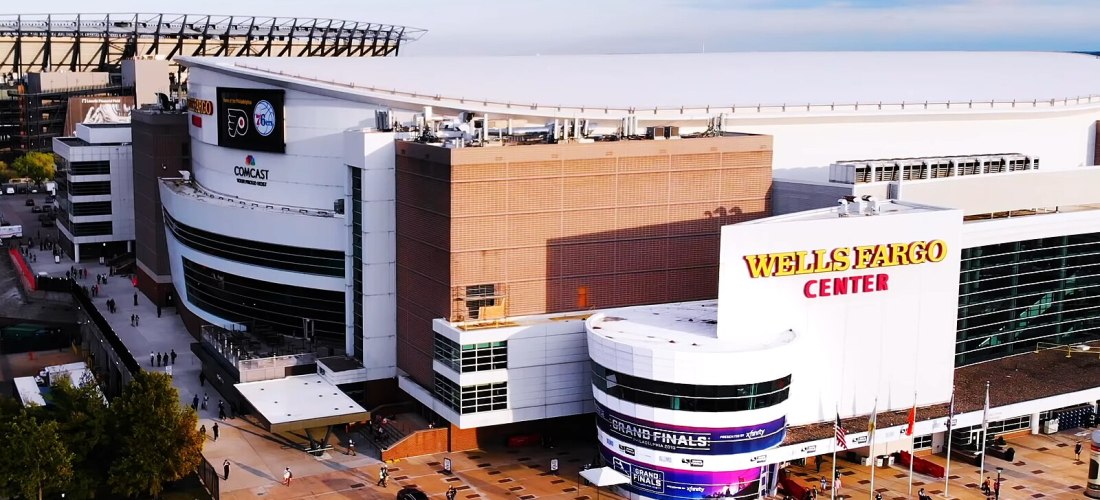
For 57 years, the 76ers have called one location their home. Philadelphia’s professional basketball team made their debut on Oct. 18, 1967, playing at The Spectrum in the iconic South Philadelphia Sports Complex. Over time, The Spectrum showed its age and would later be replaced with current arena, The Wells Fargo Center. That might all change if a groundbreaking decision is reached by the Philadelphia City Council.
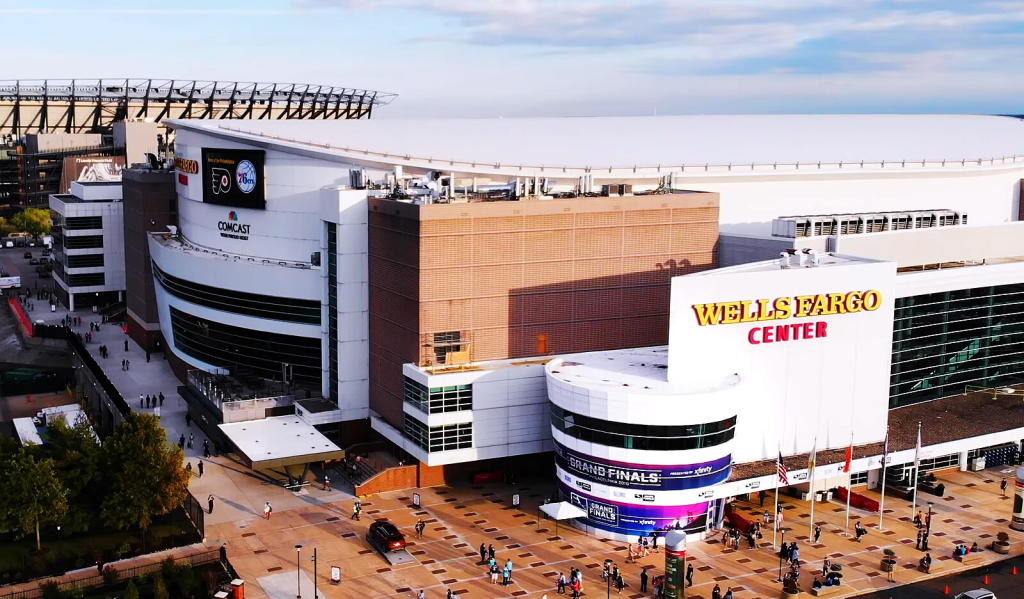
In September, legislation became accessible to the public about the prospective 76ers stadium dubbed “76Place,” creating a whirlwind of responses from legislators, public figures and leading members of the community. Each response has showcased a difference in opinion on the issue and has overall dominated the sports scene in Philadelphia since it became available.
I had a chance to sit down with Philadelphia Councilmember Mark Squilla (D-1st dist.) to discuss his own opinions about the prospective stadium. Squilla explained the origin of the proposal and its recent developments, saying, “This process was started a little over two years ago when the proposal was made by the 76 Development Corporation to put an arena at the 10th and 11th and Market Street…since then we have been meeting with community stakeholders including Chinatown, Washington Square West, Jefferson Hospital, Septa, Center City District, Midtown Village, people who have a perspective on or may have be impacted by this proposal.”
He also explained that after the proposal was delivered to the city, the developers were asked to pay for a study that would address the concerns of the community. It would also help inform stakeholders and the council themselves about the pros and cons of this project.
Councilman Squilla remains loyal to his role as a supporter of the community saying, “My stance all along was let’s see what all these concerns are, let’s see what the challenges are, let’s look at the positive and the negative and then what safeguards we could put in place if this project can move forward, and I said that I could possibly support it if I believe we’ve put enough protections in place for the communities most impacted.”
In more recent weeks since the discussion of the stadium has resurfaced, communities including Chinatown and the Gayborhood have hosted protests and received backing from “City Councilmember Nicholas O’Rourke, state Reps. Rick Krajewski and Chris Rabb and state Sen. Nikil Saval [who] spoke against the arena proposal…” according to a WHYY article.
In an interview for The Daily Pennsylvanian, a founder of the Asian Americans United, Debbie Wei, gave her thoughts on the stadium saying, “Gentrification has hit Chinatown hard. A lot of folks have been moving up toward the northeast of Philadelphia because they can’t find affordable housing.” Both Chinatown and the Gayborhood have expressed their worries that building the stadium will disrupt ongoing efforts to keep their neighborhoods preserved and diverse. In fact, a recent study conducted by the Save Chinatown Coalition found in the city of Philadelphia “…56% of respondents are against the $1.55 billion project and only 18% support it,” according to a recent WHYY article.
Former Philadelphia Eagles center, Jason Kelce made his voice and opinion known on the matter. Using Twitter, Kelce said “…I would absolutely support the Sixers building their own arena in South Philadelphia. The renting thing isn’t fair to them, I just hate the strong arming of the city to force an inevitable move into an arena that the local residents, and vast majority of Philadelphians don’t prefer be in center city.”
While a great thought, one that many Philadelphians would love and support, it doesn’t seem like that is in the cards for the 76ers now or in the future. Squilla even says “…I would support an arena down in South Philadelphia but there’s no proposal of that and they don’t have the ability to do that because that land is controlled by Comcast Spectacor… so they would have to work out a deal with them and I think part of the reason why they can’t is because they want to be on their own.”
With the assumption that an additional stadium will not be added in the foreseeable future, we must turn to the other side of the issue. What positive contributions could the stadium potentially have for the city?
To help answer that question, I had the pleasure to sit down with Business Manager for the International Alliance of Theatrical Stage Employees & Motion Picture Industry (IATSE), Local 8, Trisha Barnes Vargo. Vargo shared her opinions of the stadium, saying, “…The new 76ers stadium that’s proposed to be built I think… will bring a financial economic boost to the city during the building of it for the building trades which IATSE locally is a part of, the Philadelphia Building Trades. It will [also] bring work; economic value to the people who live in the area and work in the area. I believe it will be a three to four year build and it’ll involve from the ground up carpenters, electricians, masons, and then once the building becomes into effect it would involve the Local 8 to go in with the IT division of it… I think it would be a very generous boost to the economy in Center City where we have still seen a fallout from Covid.”
The recent “2024 State of Center City Philadelphia” report said “…The fact remains that the vacancy added to the market since the pandemic is nearly 4 million square feet, or approximately four Comcast Centers worth of empty space.”
A stadium that could host the 76ers, family-oriented shows, concerts, etc. could help influence more developers to invest in building new enterprises, which would create a new wave of business, jobs and revenue for the city.
Vargo also says “…Anything that we build in Philadelphia that brings people in helps the community. There are two sides to this, I know we have an issue with the local people that live in the area and the Asian community but on a broader aspect and looking at it a building of that nature being in that area along with [the] Pennsylvania Convention Center and other properties will have people driving into that area or commuting into that area to see the game; so we’re looking at a hospitality industry boost [and] a restaurant industry boost and they’ll bring people into the Center City area.”
Still, even with the help of people who could influence a decision in the matter, there are many questions left unanswered that frankly can’t be answered until it’s too late. Can Comcast survive on only the Wells Fargo Center receiving income from Flyers games? How will the city of Philadelphia decide which venue will host events? Will the potential stadium be able to create enough revenue to offset the costs that it will take to build it? Does the stadium pose realistic expectations in regard to the transportation to and from the stadium? But perhaps the biggest question: How does one truly know and make a correct decision when it comes to building the stadium?
In the next few months there is sure to be more news in the media covering this issue in intricate detail as well as receiving more attention from legislators of all statutes to discuss their opinions. But for now, citizens on both sides must rely solely on their own voices to convey a message that will affect millions living in Philadelphia and the surrounding areas. However, one thing is for certain, the Philadelphia 76ers will remain in Philadelphia.
 The La Salle Collegian