
Emily Allgair and Maya Martin, Co-Editors-in-Chief
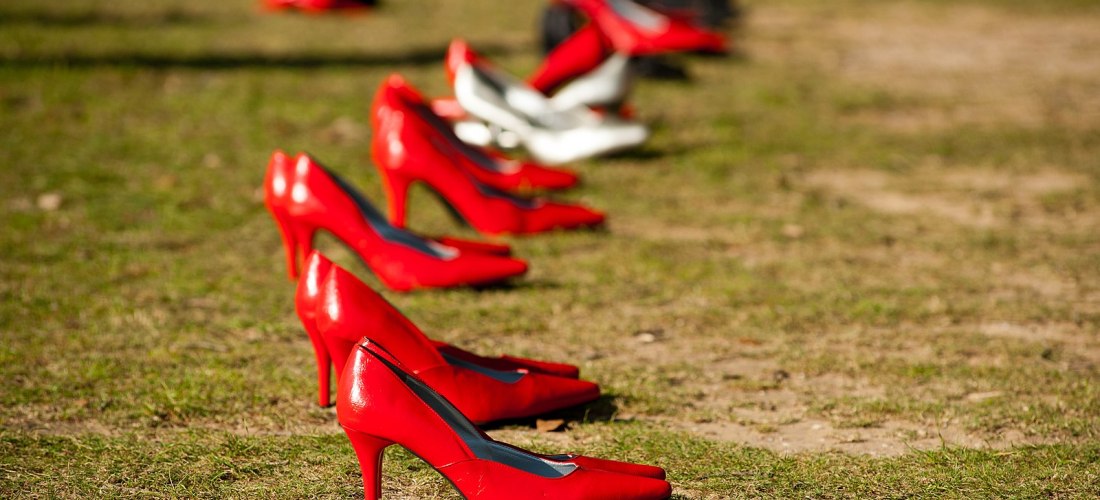
Originally started to combat and raise awareness for gender-based and relationship violence, the Walk A Mile in Her Shoes event has been held around mid-April since 2022 here at La Salle. The men of La Salle’s campus were invited and encouraged to put on a pair of red high heels and participate in the nationwide movement to walk a mile (approximately from the Hansen Quad to the Founders Building and back) as a means of showing support for survivors of sexual assault. This national organization and its event of the same title were started in 2001, and it was compelling in the early 2000s, but let’s be honest, it was problematic, especially in 2024. From perpetuating stereotypes to watching accused perpetrators participate, this event didn’t reflect La Salle University as an active environment for advocacy and support. The event will not be happening this year, and let’s discuss why we support that decision.
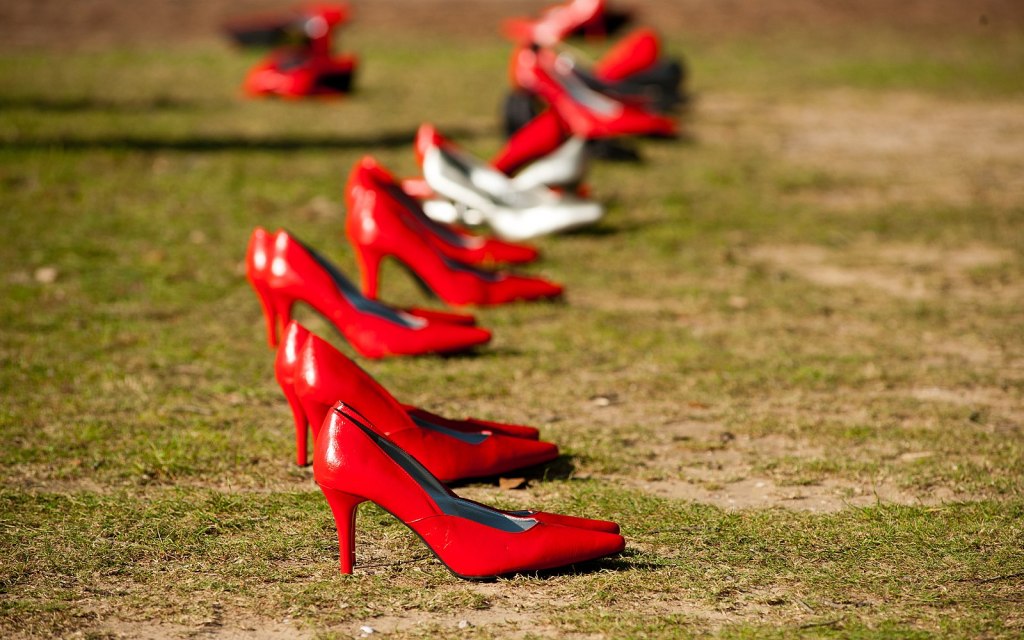
The Walk A Mile in Her Shoes event first and foremost perpetuates the idea that relationship violence is a women’s-only issue, reinforcing outdated gender roles in regards to sexual assault. This blocks men, non-binary and trans people from being a part of the conversation surrounding sexual assault from a survivor standpoint. Basically, this event says that the “supportive community” of advocates is not a safe space for people who are not cis men to participate in, and in this case, to walk in heels to show their support.
Second, the main action of this event (walking awkwardly in high heels) perpetuates the idea that what someone is wearing impacts their likelihood of being assaulted. Not only does this place blame on the survivor, but it is also statistically inaccurate. According to RAINN, eight out of ten rapes are committed by someone known to the survivor: 39% of rapes are committed by an acquaintance while 33% are committed by a current or former romantic partner. Not only does the central activity of this event promote inaccurate beliefs surrounding the perpetration of sexual assaults, but it also makes us wonder why people are participating.
“I think an event like Walk A Mile in Her Shoes can be kind of unsuspecting in a way,” said La Salle Junior Peter Re. “When I went into it I just thought it was going to be a fun time and support a good cause. And from my experience that’s all there was to it.”
Those who participate might care about the cause, but some students have questioned the silly nature of walking in bright red high heels with their friends. And some might ask if the intentions behind participation matters if the cause itself is good, but it really boils down to the message that is created by the participants, not the message that was intended.
In fact, most of the men who have participated in the Walk A Mile in Her Shoes event are part of either Greek life or athletics – two organizations that are historically the ones most accused of perpetrating on college campuses around the nation. It is important to note that some coaches, staff, and athletes on campus are working to end sexual violence on campus, but that does not change the fact that the hive-mind mentality and societal pressure of some of the groups within these organizations creates a culture that needs to be challenged, especially in 2024.
As for athletics, the NCAA is aware of this issue, and requires La Salle athletes to meet with the Assistant Director of Sexual Misconduct Advocacy and Education once a year to go over the school’s sexual misconduct policy and resources. And same goes for those in Greek life: they have an annual meeting to go over the school’s sexual misconduct policy and resources, but that doesn’t mean that the small percentage of problematic individuals within each organization don’t perpetrate sexual violence. An exponentially higher number of assaults happen within the setting of Greek life parties than in other events on and around campus, so why give a platform to the spaces that allow for the hive mind that can lead to such violence? What message does that send?
Rather than host an event with the potential to foster mixed and even wrong messages about relationship violence and sexual assault, the Associate Director of Sexual Misconduct Advocacy and Education here at La Salle, Maggie Szeder, sat down with us to talk about what she and her team are planning to do moving forward.
The events Szeder plans on hosting during Sexual Assault Awareness Month includes a Light Up the Night event and, of course, Denim Day. Both of these events create a space for advocates to support without perpetuating stereotypes – a space where men, trans and non-binary people can also clearly be involved.
“So when you think about violence prevention, a lot of the push recently has been to follow a public health model. So, change can happen at the individual level, the relationship level, the community level and the societal level. So there are risk and protective factors at each level,” said Szeder.
While the other risk factors can be found here, a strong sense of community is a big protective factor when it comes to violence prevention. Enhancing the sense of community that can be found within La Salle University is a major key to preventing sexual misconduct and violence, as well as other types of violence.
“On campus I think there are some community groups and some close-knit social ties, and we want to extend that. We want to use those connective ties to sort of wipe out some of the problematic behaviors, as well,” Szeder added.
Overall, we, as a community, want to see student leaders standing up to sexual violence, and that message wasn’t getting across walking around in high heels. There will be a pursuit of creating and spreading events throughout the year to participate in and show awareness for advocacy and support for survivors. In making this a year-round commitment, it will be easier for students to participate in Sexual Assault Awareness Month activities during April.
Moving forward, we want everyone in the student body, not just those involved in Greek life and athletics, to be more aware of how they shape the culture and continue the conversation around this difficult yet important topic.
While the official list of activities for this April’s Sexual Assault Awareness Month has yet to be confirmed, you can expect different events that reassure and promote advocacy, consent and healthy relationships. Check out the article that details these events, which can be found in the News section of this week’s publication.
For how to be an active participant in La Salle’s community of advocates, Maggie Szeder and the Sexual Violence Prevention Education Committee welcome ideas and feedback on how to create a safe and encouraging environment for all survivors and advocates. You can contact her at szeder@lasalle.edu for more information.
 The La Salle Collegian