

Cole Welsh, Staff
In response to the culture of lawlessness that has engulfed Philadelphia, especially on mass transit, a bipartisan coalition of state lawmakers in Harrisburg voted to strip Philadelphia District Attorney Larry Krasner (D) of his jurisdiction to prosecute crimes on the city’s public transit system, known as the Southeastern Pennsylvania Transportation Authority (SEPTA).
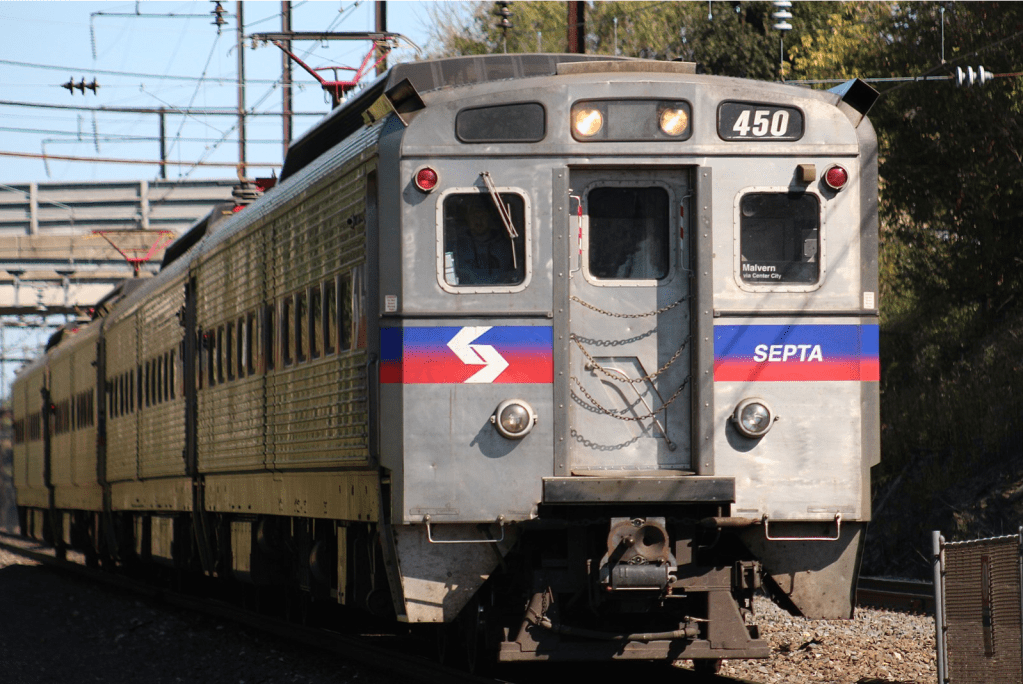
Labeled as Act 40, the new state law, which was signed into law by Governor Josh Shapiro (D) during last year’s legislative session, creates a new special prosecutor role that maintains the authority to investigate and prosecute crimes on public transportation in the city. It is slated to be active through 2026, when Krasner’s current term ends.
While Krasner and his progressive allies have called the new law an “attack on democracy,” Republican lawmakers, along with the dozens of Democrats who joined them, argue that the legislation is necessary to prosecute crimes that normally go unprosecuted under Krasner’s watch.
The legislation, sponsored by Republican State Senator Wayne Langerholc, requires Pennsylvania Attorney General Michelle Henry to appoint a special prosecutor with authority over any crimes that occur on—and, according to Krasner’s interpretation of the law, within 500 yards of—any SEPTA property in the city. However, as Act 40 only pertains to SEPTA property in Philadelphia, this special prosecutor would have no authority over crimes committed on or around SEPTA property in Philadelphia’s collar counties.
When the Senate approved the bill last session, Langerholc asserted that the special prosecutor would “ensure scofflaws answer for the crimes, since the current DA has a systemic record of failing to prosecute assaults on victims.”
While it is rare for state legislators to take away authority from local prosecutors, Act 40 is not the first time that Republican lawmakers have sought to limit Krasner’s jurisdiction.
In 2019, the General Assembly passed a bill creating concurrent jurisdiction for gun crimes in Philadelphia and allowing the Pennsylvania Attorney General’s Office to prosecute cases that the Philadelphia District Attorney’s Office did not. Then-Attorney General Shapiro did not utilize this new authority and even called for a repeal of the law, which received significant bipartisan support from both chambers to confront the city’s crime crisis.
Moreover, Republicans who led the House in 2022 voted to impeach Krasner, but a trial in the GOP-controlled Senate has been stonewalled while a lawsuit is considered by the Pennsylvania Supreme Court.
Recently, Krasner himself has filed a lawsuit in Commonwealth Court that raises several challenges to Act 40. The lawsuit asserts that the special transit prosecutor law is unconstitutional because the Pennsylvania Constitution does not directly allow for the appointment of a special prosecuting attorney to seize some of the authority of an elected district attorney. Krasner is also challenging the legislation on the grounds that the law is discriminatory as it would supersede the district attorney’s authority in Philadelphia but not the four suburban counties where the nation’s sixth-largest rapid transit system can also be found.
In response, Langerholc has dismissed arguments that the law would take any authority away from Krasner, asserting that the special prosecutor would be able to select what crimes to prosecute. Otherwise, these crimes would be left to the Philadelphia District Attorney’s Office.
Regardless, as Henry assumes that the law is constitutional and searches for someone to fill the new position, it remains to be seen if the law, along with Krasner’s impeachment process itself, will be permitted to continue following a review by the state court system.
 The La Salle Collegian